This May, Athletes for Hope brought two of sport’s most compelling voices to young athletes and students across the country to talk strength, resilience, and what it really means to show up.
Katie Ledecky: Dream Big, Show Up
Olympic gold medalist Katie Ledecky joined AFH’s High School Leadership Academy (HSLA) for an exclusive virtual session, speaking candidly about the mindset behind her legendary career.
“I set goals for myself that maybe scare me at first, but then they excite me and drive me to wake up and get to practice and give it my all,” she told students.
But it wasn’t just about winning. Ledecky left student-athletes with something even more powerful — a reminder of the impact they already carry.
“Never underestimate the impact that you can have, whether it’s on a classmate or teammate.”
For the young athletes in the room, hearing that from one of the greatest swimmers in history? That lands differently.
Dalton Risner: Strength Beyond the Game
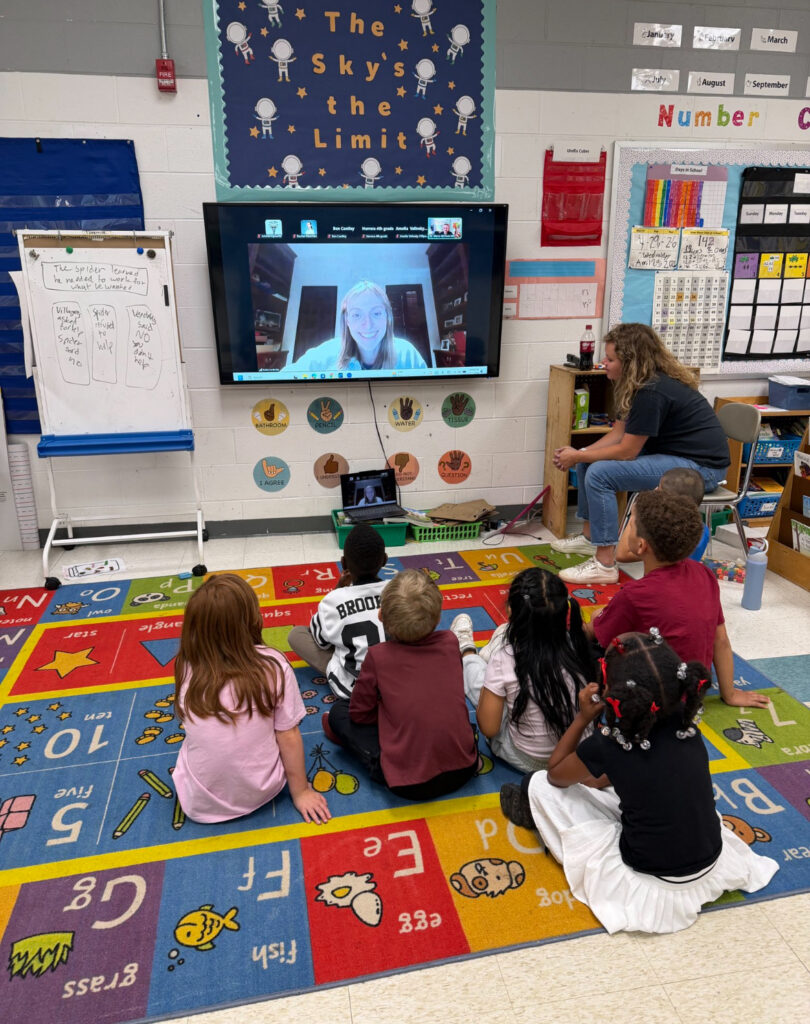
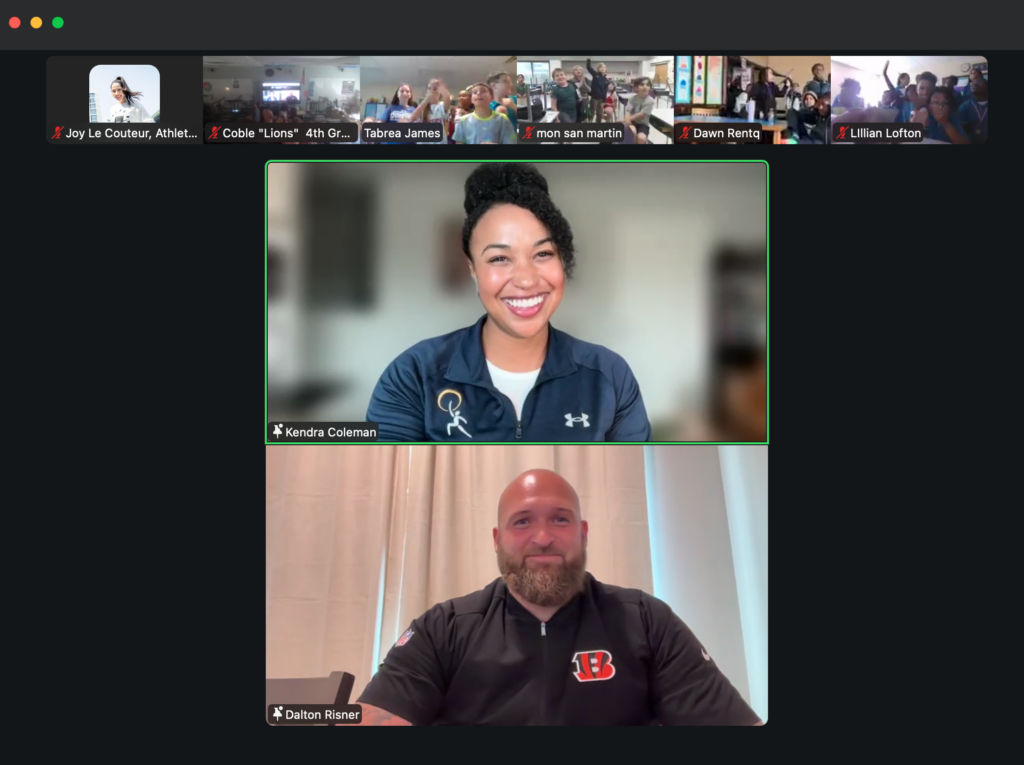
NFL veteran Dalton Risner brought May’s Word of the Month — Strength — to classrooms across the country through AFH’s Open Gym, a virtual program that connects CHAMPS classrooms with elite athletes.
Risner’s message went beyond athletic performance, redefining what strength really means.
“I love sports, but what I love even more is impacting the lives of people around me,” he shared.
It’s a reminder that real strength isn’t just measured in wins and losses — it’s measured in how we show up for the people around us, how we handle adversity, and how we use our platform to lift others.
The AFH Mission in Action
These virtual sessions are at the heart of what Athletes for Hope does — creating meaningful connections between elite athletes and the next generation. Because when a young person hears their hero talk about fear, resilience, and impact, something shifts.
And the proof is in the classroom. One teacher was so moved by Katie’s visit that she took to social media to share the moment her students got to meet an Olympic legend. See the reaction here.
That’s the ripple effect. And it starts here.
🔗 Learn more about AFH’s CHAMPS program and HSLA program at athletesforhope.org
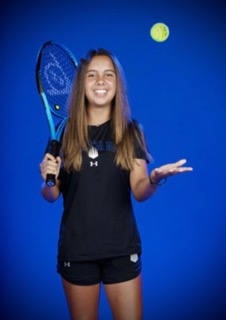
From Mexico to Texas, student-athlete Lucia Hidalgo is using her experiences in elite tennis, leadership, and advocacy to create spaces where athletes feel seen, supported, and empowered beyond performance.
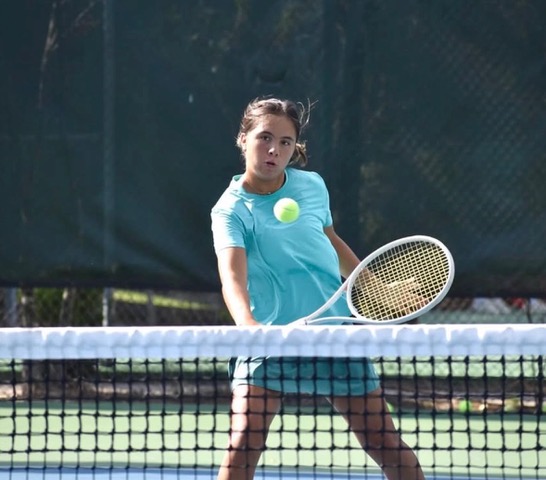
At just 16 years old, Lucia Hidalgo is already creating impact well beyond the tennis court. Originally from Mexico and now a junior in Texas, Lucia has built an impressive athletic journey that includes training at IMG Academy, competing at a high level in tennis, coaching younger athletes, and dedicating her time to community service.
Her experiences as a student-athlete inspired her to launch Beyond the Game, a mental health initiative focused on supporting athletes beyond performance. Lucia also serves as a Morgan’s Message ambassador and is a member of the Athletes for Hope High School Leadership Academy (HSLA), where she continues to grow as a leader and changemaker.
In this Q&A, Lucia reflects on her move to the United States, how service became a source of connection and purpose, and why creating supportive spaces for student-athletes matters both on and off the court.
1. You moved to the United States from Mexico and jumped right into volunteering and community work. How did the transition shape your awareness of mental health – especially as a student-athlete navigating a new country and culture?
Moving from Mexico to the United States at such a young age was a significant transition for my family and me, both socially and athletically. I had to learn a new language, adjust to a new school system, and integrate socially, all while continuing to train and work on my tennis. However, I think the move also allowed me to see all the different social issues, as well as the mental health struggles that went on in both countries, and making the move made me more aware of how important support systems are. Seeing first hand how isolating things can feel, especially for student-athletes who are already under tremendous pressure, invited me to start participating in all kinds of community/service projects. Volunteering and getting involved in destigmatizing mental health helped me build lifelong connections and gave me a sense of purpose outside of just tennis.
This change really opened my eyes to the importance of mental health, making me more empathetic and motivating me to start conversations around mental health, because I know how impactful it is to be seen and supported during difficult times or changes in life.
2. Can you walk us through Beyond the Game and what it means to you personally? What inspired you to start this program, and how does its mission connect to your own experiences as a student-athlete?
Beyond the game is a mental health initiative I started in order to create a space where student-athletes feel seen, heard, and valued beyond their performance. It mainly focuses on breaking the stigma around mental health and encouraging athletes, parents, and coaches to have honest conversations about the pressure and struggles athletes face. For me, it is extremely personal. During my time training at IMG Academy, I was in a very intense and competitive training environment where performance and results were constantly on my mind. While this was a life-changing opportunity that helped me grow as an athlete and person, it was also mentally and emotionally challenging. There were many instances when I felt extreme pressure to constantly perform and improve, and I struggled to balance that drive to improve with my own well-being. The fear of being misunderstood for my mental health struggles many times also kept me quiet, and it wasn’t until I had a coach who really took the time to make sure I understood that it’s okay not to be okay that I decided to make the change. That experience made me realize how common it is for athletes to silently be their own worst enemy, both on and off the field. The mission is to shift the culture in sports so that mental and physical health are both given importance and understanding. It is about building a community where honesty is seen as a strength, not a weakness, and where athletes feel supported as people, not just performers.
3.What has been the most impactful moment or conversation in your mental health work with Beyond the Game so far?
One of the most impactful conversations I’ve had during the timeline of Beyond the Game was actually before it even started. I had gone through the entire first semester being mentally exhausted and one day I finally snapped. After practice, one of my coaches noticed that I was having a hard time and took the opportunity to sit with me at the edge of the court for a long conversation. We talked for hours, where she shared parts of her own story and reminded me the importance of coaches, support systems, and being open about what you are going through. At one point, we were literally writing things down on the ground about what I was feeling and struggling with, just trying to make sense of everything I had been holding in. In that moment, for the first time ever, I felt truly seen. Not just as an athlete, but as a person. That conversation stayed with me and made me realize how powerful it is when someone takes the time to truly listen. It was also the moment I understood that I wanted to help other athletes feel that sense of support as well. From that experience, Beyond the Game really started to take shape. The way my coach showed up for me changed something in me and made me want to do the same for others.
4. As a member of the Athletes for Hope High School Leadership Academy, what does leadership in the mental health space look like at the high school level? What unique challenges and opportunities do you see as a student trying to shift the culture around wellbeing in your school?
Being a part of Athletes for Hope High School Leadership Academy has helped me understand that leadership in any space of advocacy doesn’t always look like big speeches or large programs. At the High School level, it often starts with small, consistent actions. For example, checking in on teammates, normalizing conversations about stress, and creating an open and welcoming environment. One of the biggest challenges as a student-athlete is that there is still a strong culture about “pushing through everything”, especially in sports. It is common for athletes to feel like they have to hide their struggles in order to seem strong or dialed in. It can be difficult to shift that mindset, especially when performance is at the forefront of everything. At the same time, the AFH leadership academy allowed me to see a lot of opportunities for high school athletes. High school is where habits and mindsets are formed, so even the smallest of changes in how we talk, act, or feel about mental health can have a lasting impact. As an AFH athlete, I am in a unique position to influence my peers and then allow them to do the same. Leadership, to me, is about leading by example, being open, being as supportive as possible, and being consistent in how I try to show up for others.
5.You spent two years at IMG Academy in Florida, training at one of the highest levels of junior tennis, away from your family in Texas, facing intense competition and demanding coaches. What was that experience like mentally and emotionally, and how did navigating that pressure shape the way you now think about athlete mental health?
My time at IMG was one of the best but also most challenging experiences of my life, both mentally and physically. Being away from my family, while training at such high intensity, pushed me in ways I never thought I would be ready for. Every day, I was surrounded by elite athletes, constant competition, and extremely high expectations from my coaches, my family, and especially myself. While this way of life helped me grow a lot as a player, it also made it easy to tie my self-worth to my performance. There were many times when I felt mentally drained, overwhelmed, and not enough, both as an athlete and as a person. Being so new to this feeling, there were times I struggled to balance my ambitions with self-care as well, and I didn’t know how to process what I was feeling. But going through those challenges ultimately changed the way I see athletes and their mental health. It made me realize that even the most successful and “perfect” athletes can be struggling internally. It also showed me how important it is to have someone who truly listens, and how to become that someone for others. Now I view mental health as just as important as physical training. My time at IMG is a big part of why I am so passionate about changing the culture in sports, so athletes at all levels can feel supported not just for their outcomes, but for them as a person.
6. How do you personally protect your own mental health and avoid burnout while giving so much of yourself to others?
Protecting my mental health is something that I have had to learn to do intentionally, especially while balancing so many commitments. One of the biggest things I’ve realized is that I can’t pour myself into others if I feel completely drained. Which is why taking care of my own well-being has to be a priority, not an afterthought. I try to stay aware of when I start to feel overwhelmed and give myself space to breathe, take a break, and spend time with people who support me. I’ve also learned the importance of setting boundaries, because it is especially when someone is going through a hard time that it is easy to lose oneself.
7. Mental health conversations can look very different across cultures. As someone who is bilingual and bicultural, what do you think the sports and wellness communities in the U.S. can learn from how mental health is discussed (or not discussed) in Latin American cultures?
Being bilingual and bicultural has allowed me to see different perspectives on mental health. In many Latin American cultures, mental health is often kept in and not openly discussed. There can be a tendency to push through struggles, keep things in, and avoid recognizing them. At the same time, I think there is something really valuable about the Latin American culture, which is family and community. Throughout my life, I have never felt a lack of support, and that is thanks to the second family I have formed both in Texas and Mexico; the only thing missing at times was the courage to tell them how I feel. In the US, I’ve seen more openness and willingness to talk about mental health, especially in sports, which is incredibly important. But I think there is still a lot to learn in both places. Being in both worlds has shown me that the goal is not to choose one approach over the other, but to try and combine them both. Creating a culture where athletes feel supported by their community and comfortable speaking about what they are going through.
8. What’s one thing you wish every student-athlete knew about mental health… something you would want to carry forward as your legacy?
One thing that I wish every student athlete knew is that their value is not defined by their performance. It is easy to believe that your skills, your rankings, or how you play in a game determine who you are, but it doesn’t. Mental health is just as important as taking care of your body, and taking care of it doesn’t make you weaker; it actually makes you stronger in the long run. It is more than okay to struggle, it is okay to ask for help, and it is normal not to have everything figured out. If there is one thing I hope to leave behind as my “legacy,” it is a shift in mindset. I want athletes to feel like they can change, like they can be open, support each other, and know that they are more than their sport. Because at the end of the day, who you are as a person will always matter more than any result.
Can you introduce yourself and share a little about what inspired you to get involved with the Athletes for Hope High School Leadership Academy?
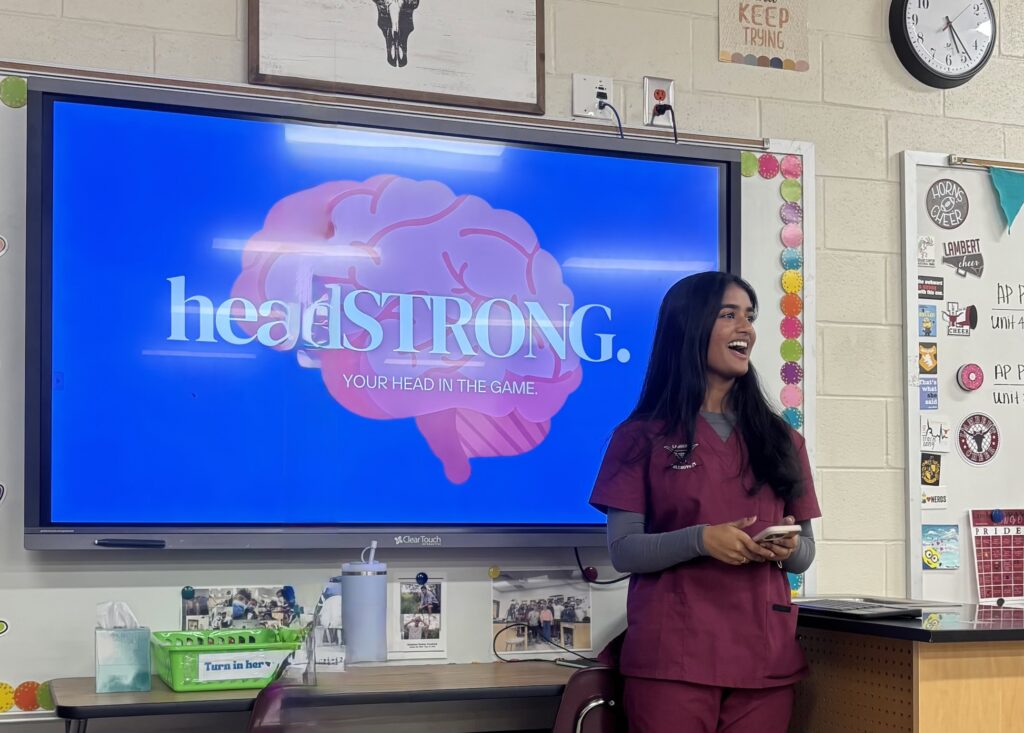
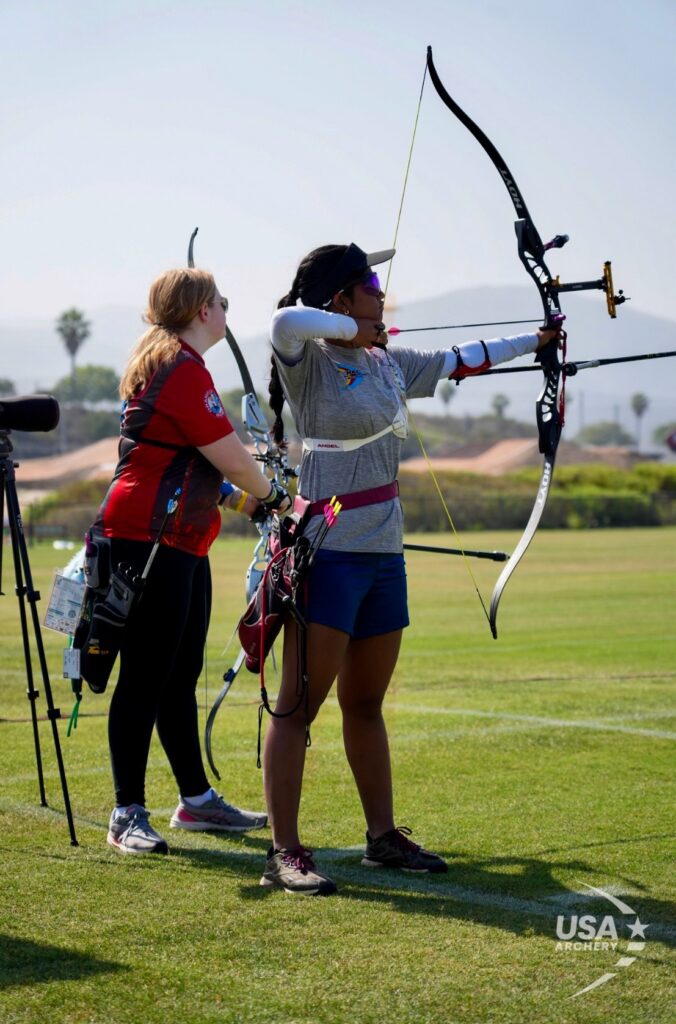
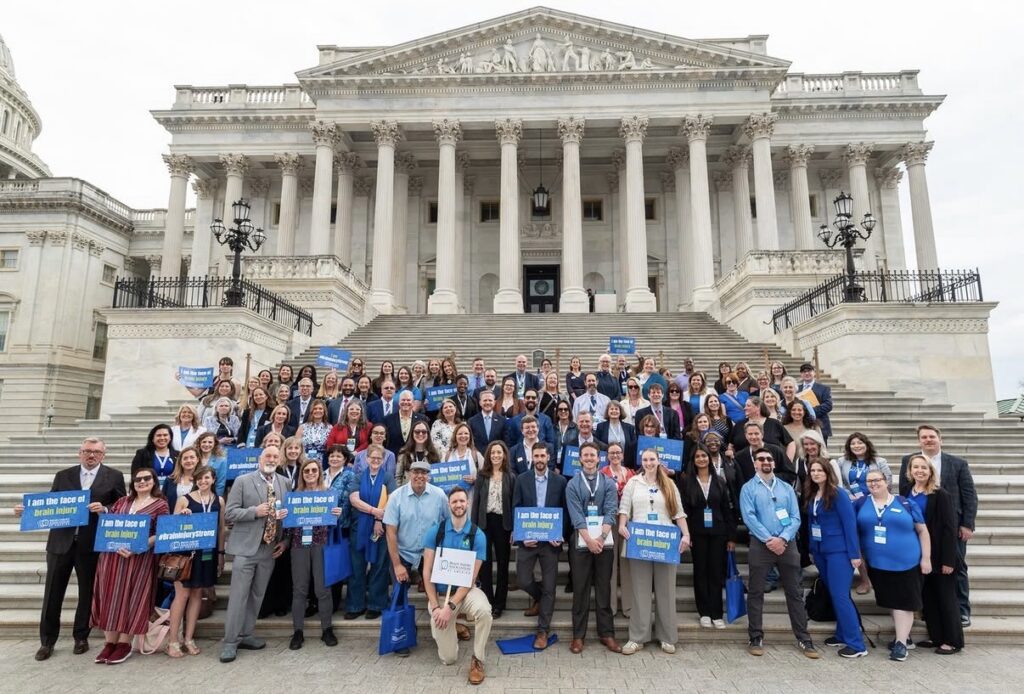
Hi! My name is Anushka Nag, and I’m a competitive recurve archer + brain injury advocate at Lambert High School. I’m an avid cook and baker, and I LOVE hiking! When I heard about the AFH HSLA, I knew I wanted to get involved because community-focused mentorship is a big part of how I got to where I am right now. That being said, I always want to be a better advocate, community leader, and speaker, so learning from the webinars and conversations here have been wonderful. It’s great to meet other passionate athletes like myself with the same enthusiasm for their own community-serving niches!
As part of the program, you’re leading a campaign focused on brain injury awareness. What motivated you to focus on this issue?
Brain injury awareness is a topic near and dear to my heart. While I’ve never sustained a concussion, I’ve had multiple experiences with several musculoskeletal injuries (particularly tendinopathies) and carpal tunnel (which is nerve related) as a result of overtraining and poor form. Unfortunately, I never felt supported in my injury journey with my prior coaches and was lost as to what these injuries were and how they could impact me. (I did end up finding a new coach, and with the help of him, my parents, and my ATs I’m happy to say I’m pain free today!) Alongside that experience, I began to notice the same feelings of uncertainty or “not knowing” about concussions in my friends who played contact sports. It was the same across soccer, wrestling, or diving: there was no preseason education for concussion, so when someone got injured, athletes either disregarded symptoms or stressed out over the injury. When talking to various coaches, athletic directors, and physicians in the area, we found that this was a true gap in the athletic/educational system: why should coaches and parents be taught about the dangers of concussion and not the athletes themselves?
Brain injuries and concussions are often discussed in sports, but many people still misunderstand them. What are some key things you think young people should know about brain injuries?
The biggest thing I feel people misunderstand about concussion in sports is that concussions are NOT an acute issue. What this means is that all forms of TBI are in fact a chronic issue: some symptoms may last longer or worse in different people than others. This shouldn’t lead to more frustration regarding post-concussive symptoms or a longer recovery time, but rather try to work with your brain and your medical team through this event. However, this makes it all the more important that you report symptoms in yourself and others; the faster you report, the better your recovery will be. Another thing is that concussions don’t just happen through hitting your head: whiplash injuries can cause severe concussions that are often missed on the field. It’s better to be safe than sorry after a particularly disorienting hit/play.
What have you learned while researching and developing your brain injury awareness campaign?
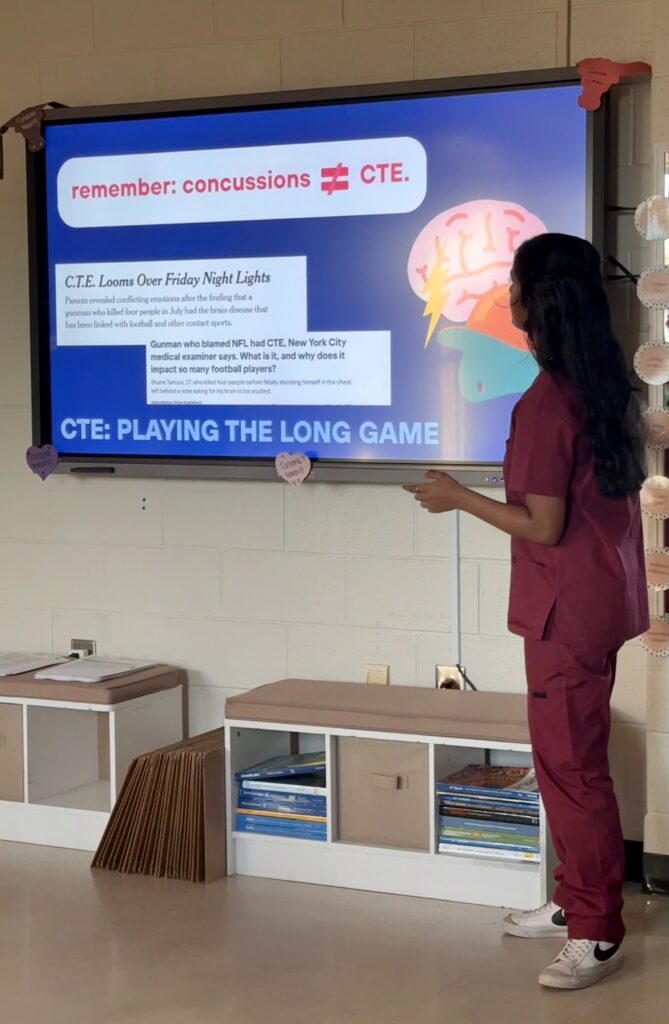
One of the most interesting things I’ve learned while researching for HeadStrong’s education campaign is how much we still don’t know about detecting and treating traumatic brain injuries. While we do have treatments that help manage symptoms like headaches, depression, and pain, we don’t yet have a single preventative solution or a “wonder pill” that can completely repair brain damage. This is SO true for CTE, which currently cannot be diagnosed in living individuals and still has no cure. However, some new advances in research – like blood-based biomarker detection! – are signs that we may soon be able to identify and address these injuries earlier.
Was there a particular statistic, story, or fact about brain injuries that really stood out to you during this process?
Something that really stood out to me while learning more about the TBI world is how many people are truly susceptible to a traumatic brain injury. While I got interested because of sports concussion / neurology, I’ve learned that domestic violence survivors, homeless individuals, veterans, and car crash survivors are all among the biggest groups of individuals living with TBI. It’s important that we consider that when we think about the stigma surrounding some of these groups and always treat them with empathy. 1 in 4 people will get a TBI in their lifetime, and it’s my goal that every individual regardless of how they got injured feels supported on their road to recovery.
Why do you think awareness and education about brain injuries are especially important for young people today?
The biggest thing you’ll hear me say is that education is the first step towards prevention. In this case, educating about not reporting concussion symptoms, and the worst-case effects (Second Impact Syndrome, CTE) will hopefully persuade more athletes to be honest and vulnerable about their health. Additionally, I like talking about proprioception and plyometric training to prevent concussion OR teach recognition tests like VOMS: it makes learning that much more interactive and ensures that our athletes take away something they feel empowered to learn. By advocating for education, we’re looking out for our community and making sure that we feel supported on every level.
What message do you hope your campaign will send to students, athletes, and communities?
The biggest message I hope people take away is that protecting your brain should always come first. Reporting symptoms and looking out for your teammates is as much your responsibility as playing is. Sports culture often emphasizes “pushing through”, but brain health is something we literally only get one chance to protect. My goal is to help create a culture where athletes feel supported speaking up about injuries that they understand.
How has participating in the High School Leadership Academy helped you develop the confidence and skills to advocate for this issue?
Participating in the HSLA has given me an actionable “blueprint” that I can use to better connect with my community. I really appreciated the first meeting when we were given a plan of who we wanted to help, how, in what way / medium, etc. I think it was a great way to plan out exactly what I wanted to do and I know that I had friends and mentors within HSLA to help me as I grew.
What impact do you hope your campaign will have on how people think about brain health and injury prevention?
I hope this campaign will reduce the stigma of symptom-reporting in adolescents and emphasize the importance of preventative education. There is no reason that taking a break for health issues like concussions – life threatening, if not treated with haste – should be looked down upon as “weak” or “lazy”. The more we spread awareness of concussion as a true traumatic brain injury and not “just” a hit to the head, the more we can minimize preventable injuries. We can’t plan to never get a concussion. We can, however, educate ourselves on the best practices after the injury so athletes can get back that much quicker.
If you could encourage other students to take action on an issue they care about, what advice would you give them?
Set the most outlandish goals possible – the ones that would change your life if you were able to achieve them. As an archer, and I’m sure for many other athletes, we have a goal-setting period of time before every season: how good do you want to shoot? How calm do you want to be? How many medals do you want to win? The sky’s the limit, and that’s where it should be: cognitively, research has shown that by believing you’re that good, you become that good. It’s called neuroplasticity! By setting these goals for our community initiatives, we give ourselves a driving force to educate X many people by this month or donate X amount of money to this foundation. Achieving them is a great thing both mentally for yourself, and for the community – it’s a win win.
She’s got hustle, heart—and new award to prove it.
At just 16, Sydney Mednik has already proven that athletes can be powerful changemakers—on and off the field. A proud alumna of Athletes for Hope’s High School Leadership Academy (HSLA), Sydney was recently named a Regional Honoree of ESPN’s Billie Jean King Youth Leadership Award for her outstanding work in sports philanthropy.
While balancing school and competitive athletics, Sydney co-founded Pass with Purpose, a nonprofit that collects gently used soccer gear from U.S. clubs and donates it to children worldwide. The organization has donated over 1,000 jerseys, shorts, and hundreds of socks—most recently to youth in Zambia.
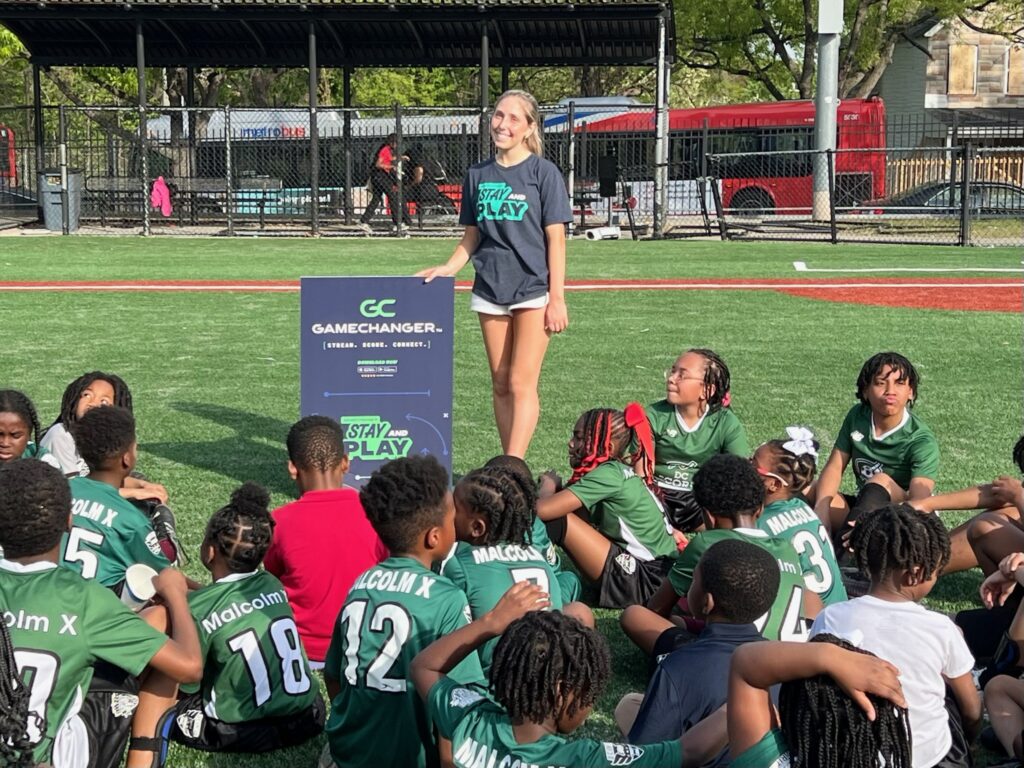
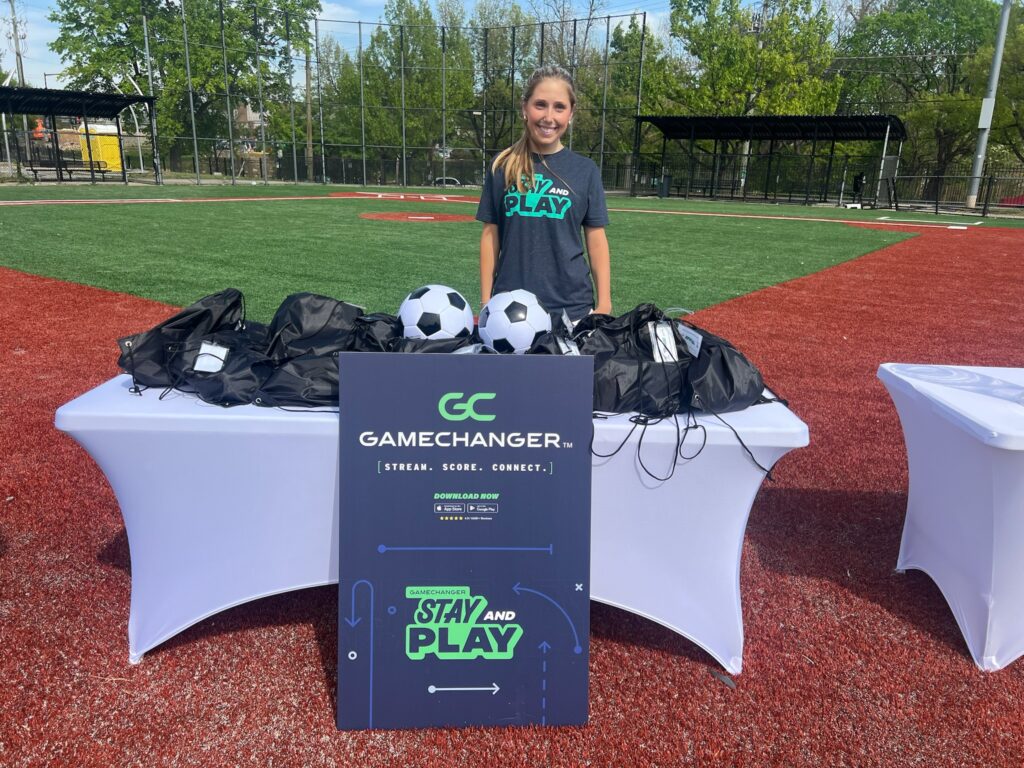
As a GameChanger Stay and Play Champion, Sydney also brought her mission to life locally by hosting soccer clinics for underserved youth, combining equipment donations with meaningful community engagement.
As a graduate of AFH’s High School Leadership Academy’s inaugural cohort, Sydney is a shining example of what HSLA is all about: developing the next generation of athlete leaders.
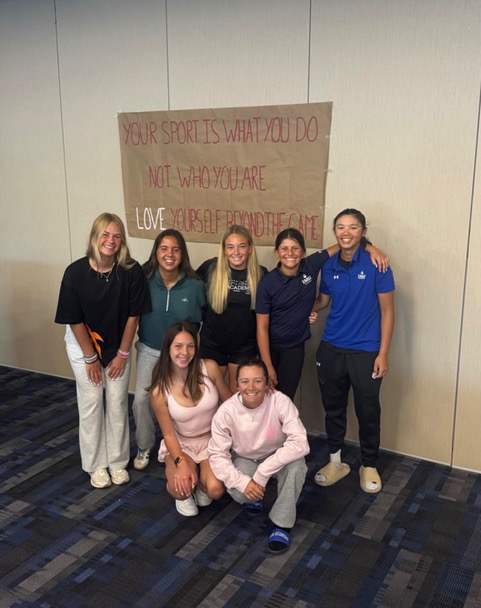
HSLA is a semester-long program for student-athletes in grades 9–12, currently offered in Washington, D.C. and Los Angeles. HSLA empowers young athletes to explore sports philanthropy, discover causes they care about, and take real action in their communities. Through workshops and service opportunities, participants gain lifelong skills in leadership, teamwork, and giving back.
We’re proud to celebrate Sydney’s accomplishment and honored to be part of her story.