
By Rhiya Beckham, Athletes for Hope High School Ambassador
Being an athlete is not simply something I do, it is a major part of who I am. My days, friendships, goals, routines, and sense of accomplishment are all deeply connected to soccer. So, when a knee injury forced me away from the game, I found myself thinking about something I had never really considered: What happens to an athlete when they suddenly cannot be an athlete?
I have started calling this experience “athlete displacement.” While sports psychology has studied athletic identity and what happens when injury disrupts that identity, I use the phrase to describe something broader: the emotional and psychological disorientation that can happen when an athlete is suddenly removed from the world that has structured so much of their life. Athletes spend years building routines, friendships, goals, communities, and a sense of purpose around their sport. When injury suddenly takes that away, it can feel like more than losing just a season; it can feel like losing a community, a routine, a purpose, and even a piece of your identity.


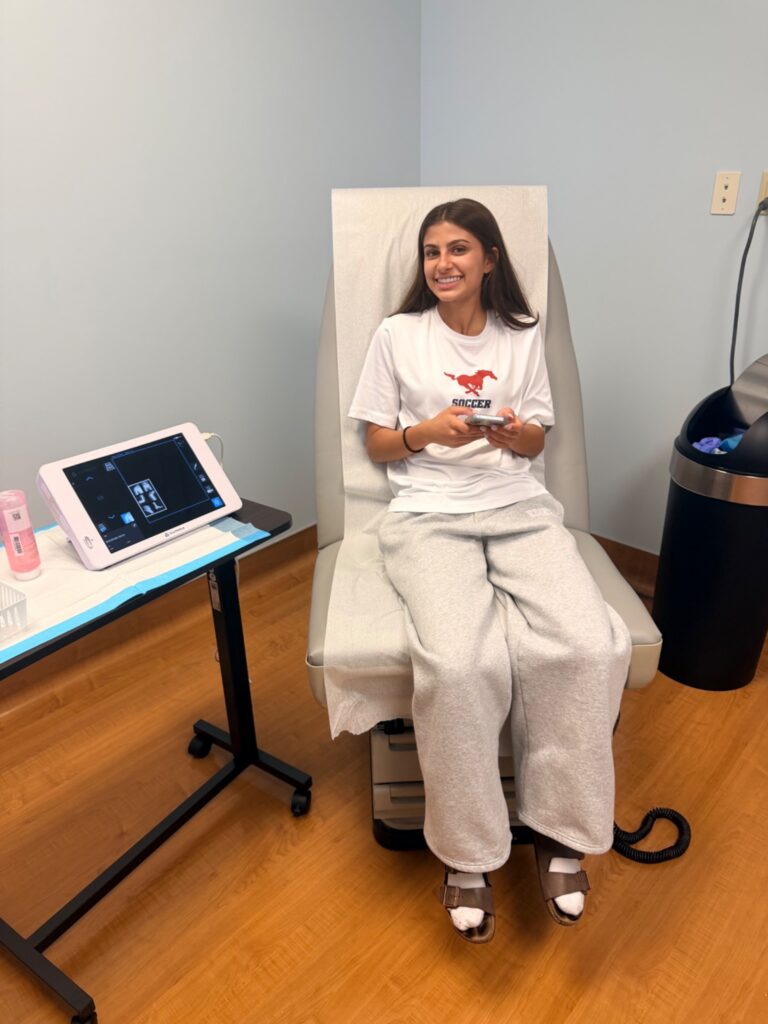
For me, that experience became very real while recovering from medial meniscus degeneration. My recovery involved physical therapy, targeted plasma therapy, electroacupuncture, and long periods of daily NSAID use under medical care.
Rehabilitation became its own kind of training, but it was entirely different from the training I was used to. Instead of measuring progress through games, practices, or personal records, progress sometimes meant completing another therapy session, doing another set of exercises, or simply getting through another day of pain.
The physical injury was only part of the experience. The harder question was often, “Who am I when I can’t do the one thing that has defined so much of my life?”
That question made me realize how important it is for athletes to develop communities outside of sports before they need them. My family became one of those anchors.
School and church friends outside athletics became another. I also found comfort in interests that had nothing to do with competition. In my case, that meant collecting an eclectic array of vinyl records from indie to pop. Records gave me something to explore, learn about, and get excited about that had nothing to do with whether my knee was healthy enough to play.
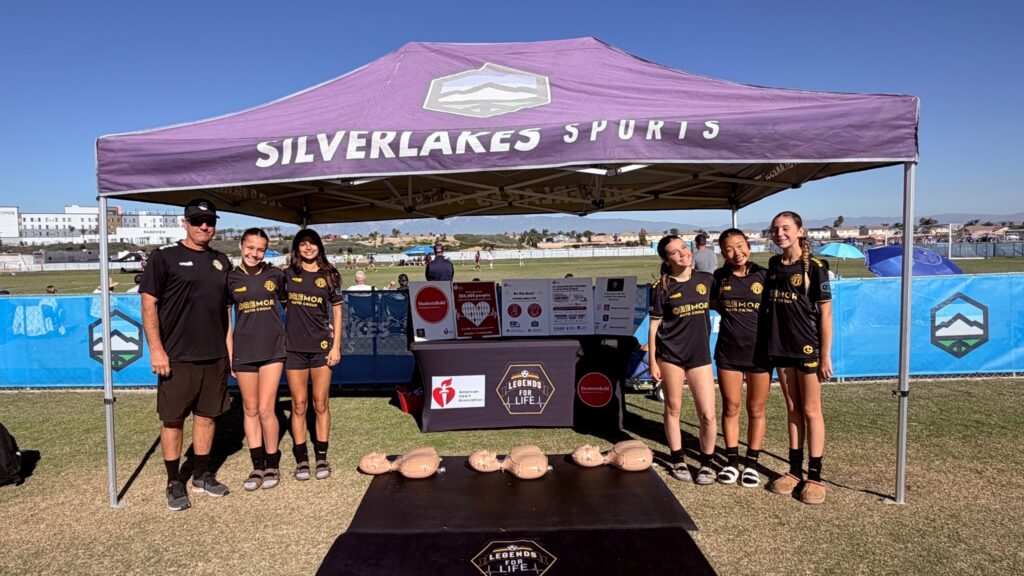
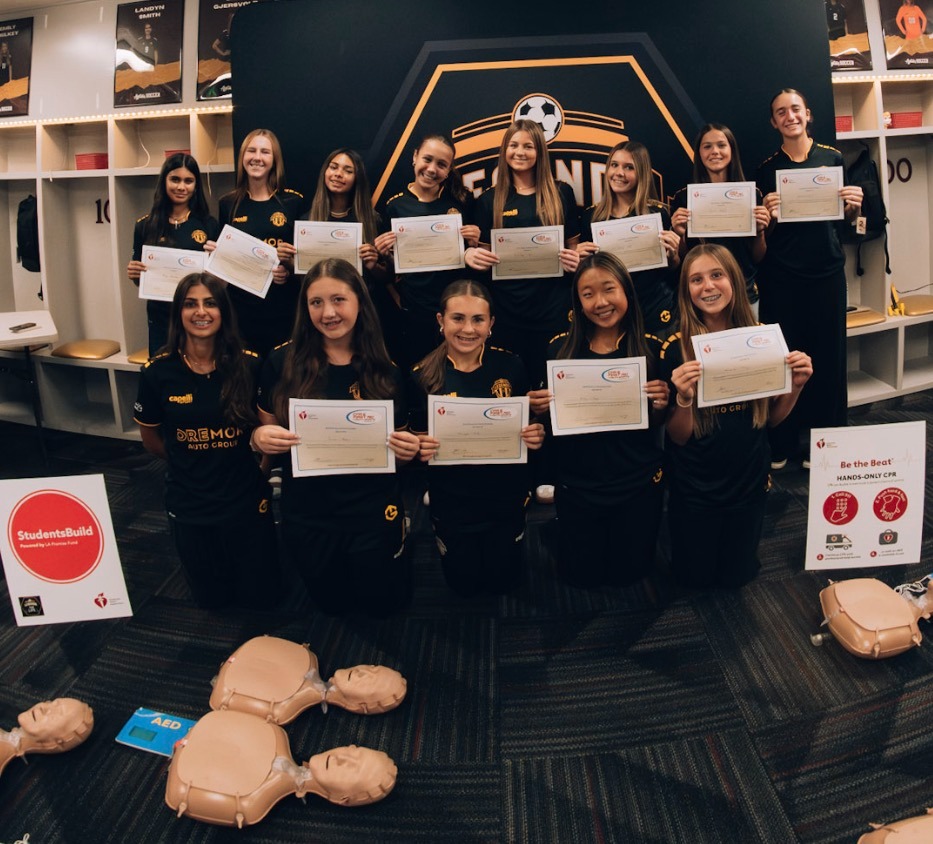
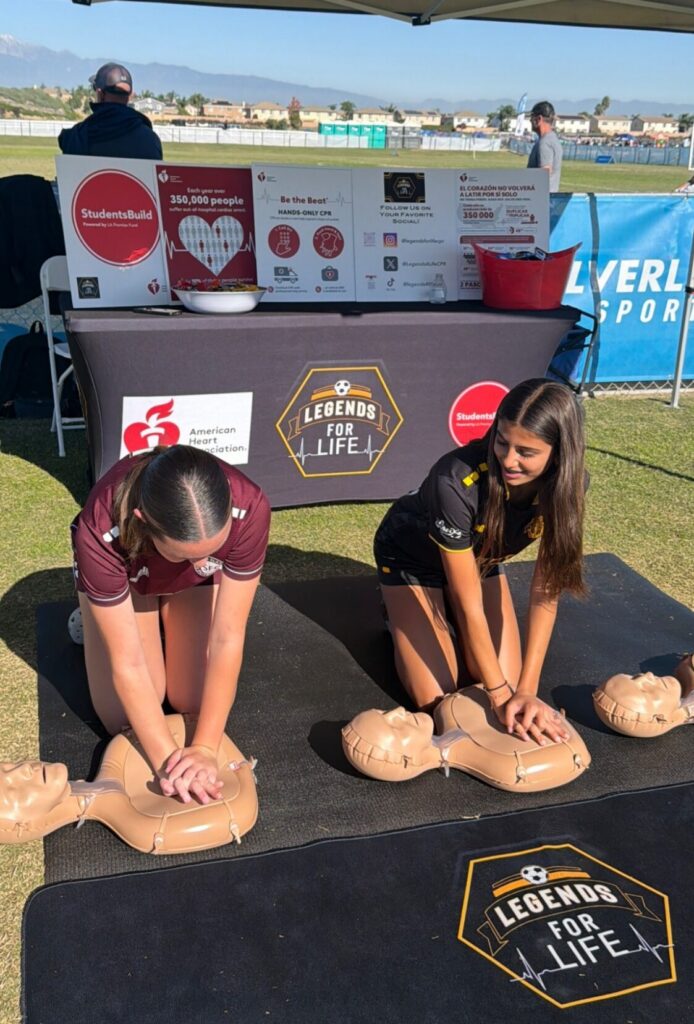
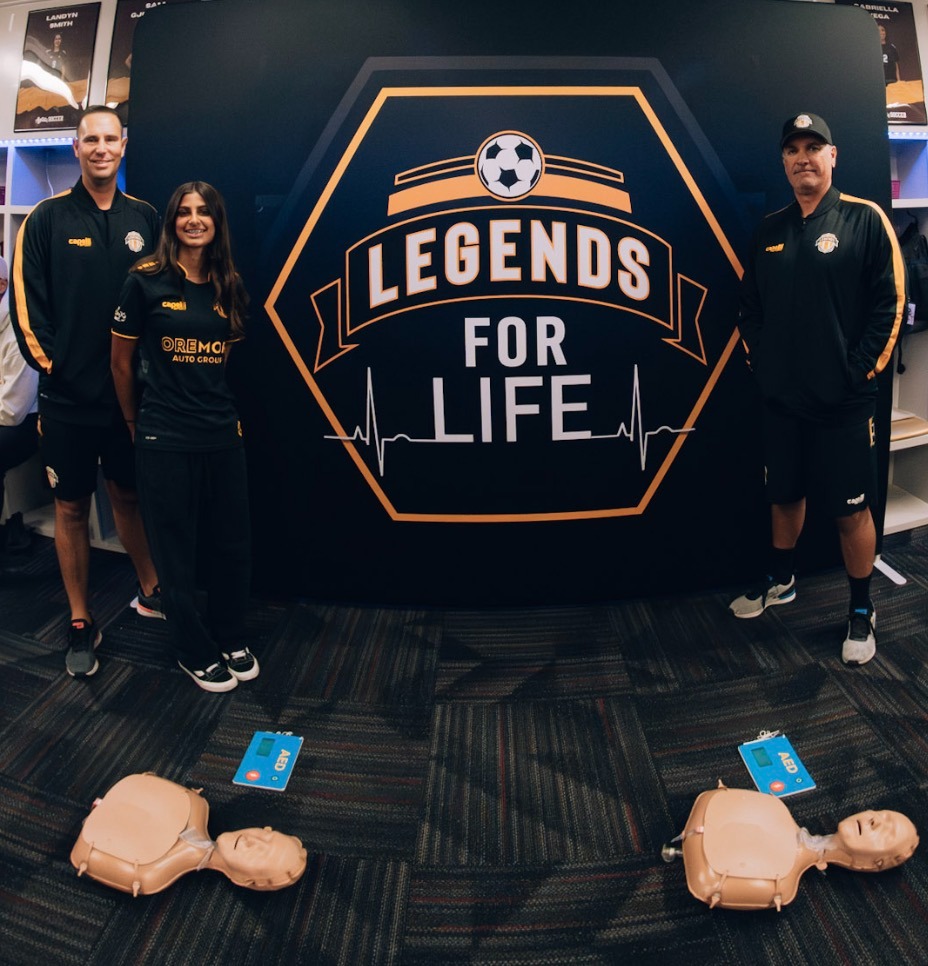
I also found that I didn’t have to completely leave the athletic community behind just because I couldn’t compete. Athletes for Hope became an important part of that realization. Being connected to a community of athletes who are using their experiences and platforms to serve others gave me a different way to understand what it means to be an athlete. I could contribute, connect, and make an impact even when I wasn’t competing. Through the Athletes for Hope High School Leadership Program I was able to support and expand my educational organization, Legends for Life CPR program.
Learning and sharing lifesaving skills gave me a sense of purpose that wasn’t dependent on my physical ability to compete. It reminded me that an athlete’s value isn’t limited to what they can accomplish on a field, court, track, or in a pool. We can also be leaders, advocates, teammates, mentors, volunteers, and people who help our communities.
Religion and faith became another important part of that support system. For me, my church community provided a place where I was not being evaluated by my athletic performance. I could show up as a person rather than as an athlete.
For some athletes, faith provides community, routine, hope, perspective, prayer, mentorship, and a sense that personal worth extends beyond performance. It can create a space where an athlete’s identity isn’t dependent on winning, statistics, playing time, or physical ability. During an injury, when so many familiar parts of an athlete’s life can disappear, that sense of belonging can become especially critical.
Faith can also provide a framework for dealing with uncertainty. Athletes are accustomed to setting goals and working toward measurable outcomes. Injury can take away that certainty. Recovery can be unpredictable, and there can be days when progress feels impossible. My church community provided me with the opportunity to reflect, connect with others, and find meaning even when I couldn’t control the outcome of my recovery.
Of course, religion is personal, and every athlete’s experience is different. Not every athlete is religious, and faith should never be treated as a requirement for mental health or recovery. The larger lesson is about community and connection. Athletes need places where they belong that aren’t solely dependent on their ability to perform.
My biggest lesson from injury is that an athlete needs an identity that is bigger than their sport. That does not mean caring less about competition. It means understanding that being an athlete is only one part of who I am.
I don’t know if “athlete displacement” will become an official term in sports psychology.
Right now, it is the language I use to describe something I experienced and felt firsthand. But I hope it starts a conversation.
Because when an athlete gets injured, we shouldn’t only ask, “When can you play again?”We should also ask them, “How are you doing when you can’t?”
And maybe even most importantly: “Who are you when you aren’t playing?”
Learning the answer before an injury happens may be one of the most important forms of preparation an athlete can do and a protective factor for athlete wellbeing.