
soccer Archives - Athletes for Hope

Athlete Displacement: Finding Identity Beyond the Game

Athlete Displacement: Finding Identity Beyond the Game

By Rhiya Beckham, Athletes for Hope High School Ambassador

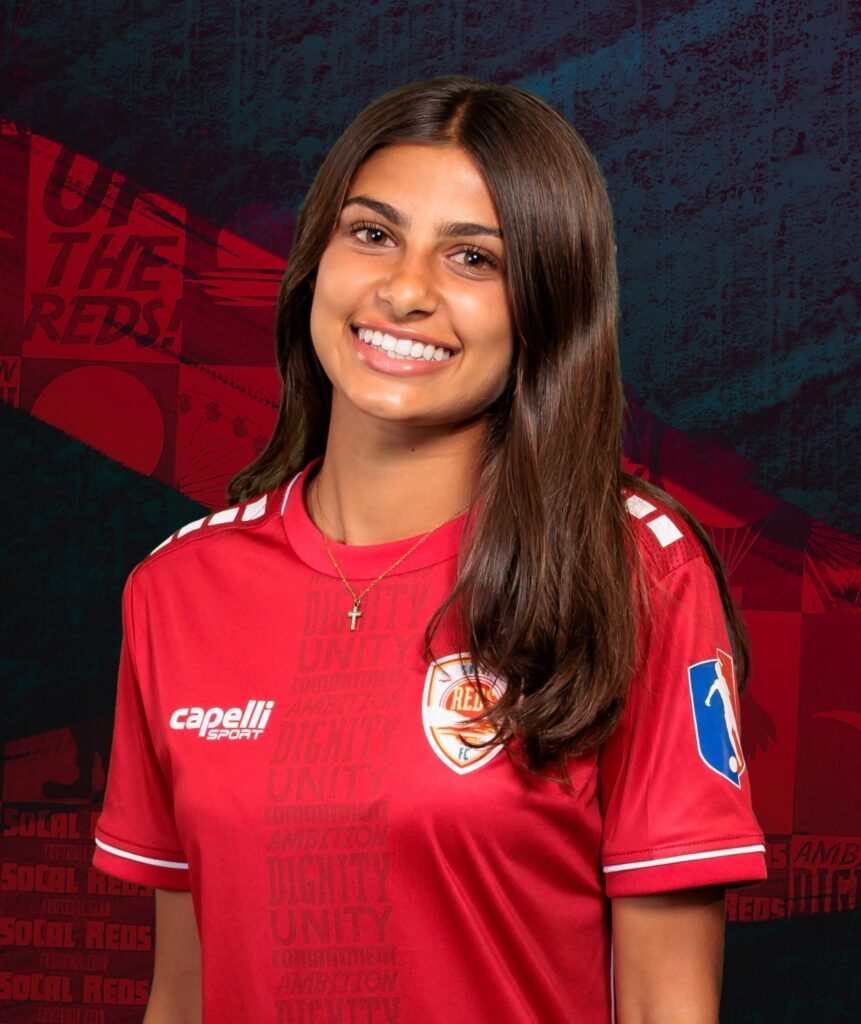
Being an athlete is not simply something I do, it is a major part of who I am. My days, friendships, goals, routines, and sense of accomplishment are all deeply connected to soccer. So, when a knee injury forced me away from the game, I found myself thinking about something I had never really considered: What happens to an athlete when they suddenly cannot be an athlete?

I have started calling this experience “athlete displacement.” While sports psychology has studied athletic identity and what happens when injury disrupts that identity, I use the phrase to describe something broader: the emotional and psychological disorientation that can happen when an athlete is suddenly removed from the world that has structured so much of their life. Athletes spend years building routines, friendships, goals, communities, and a sense of purpose around their sport. When injury suddenly takes that away, it can feel like more than losing just a season; it can feel like losing a community, a routine, a purpose, and even a piece of your identity.
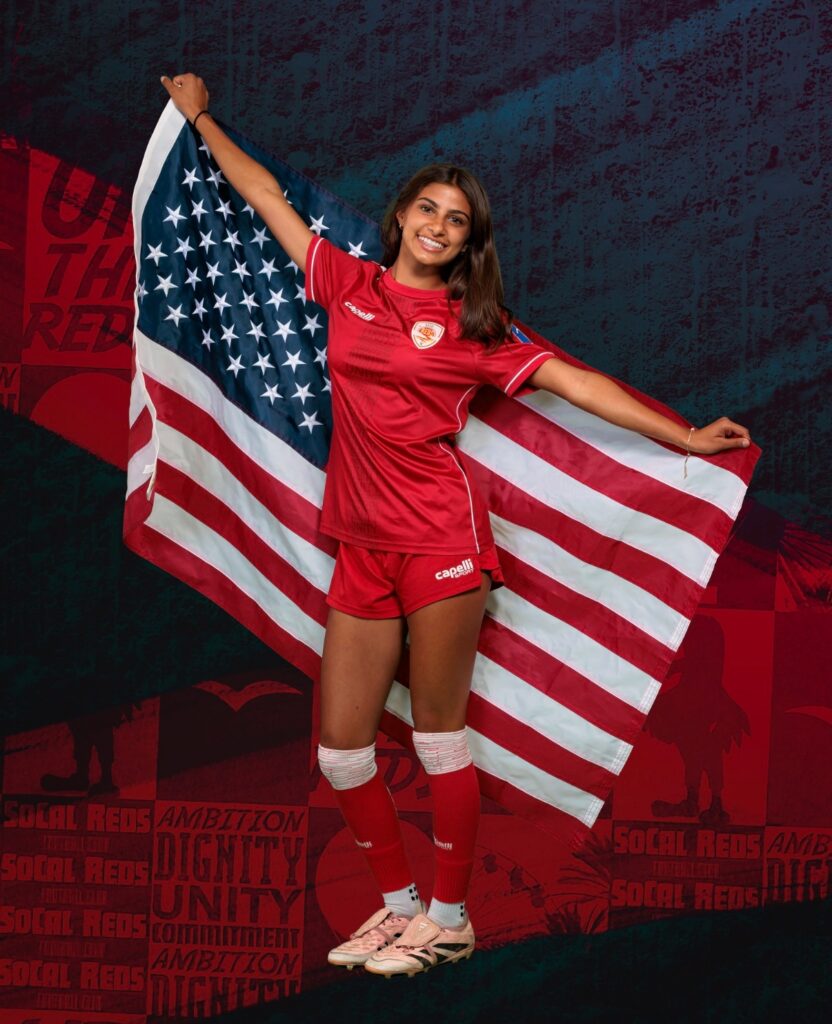
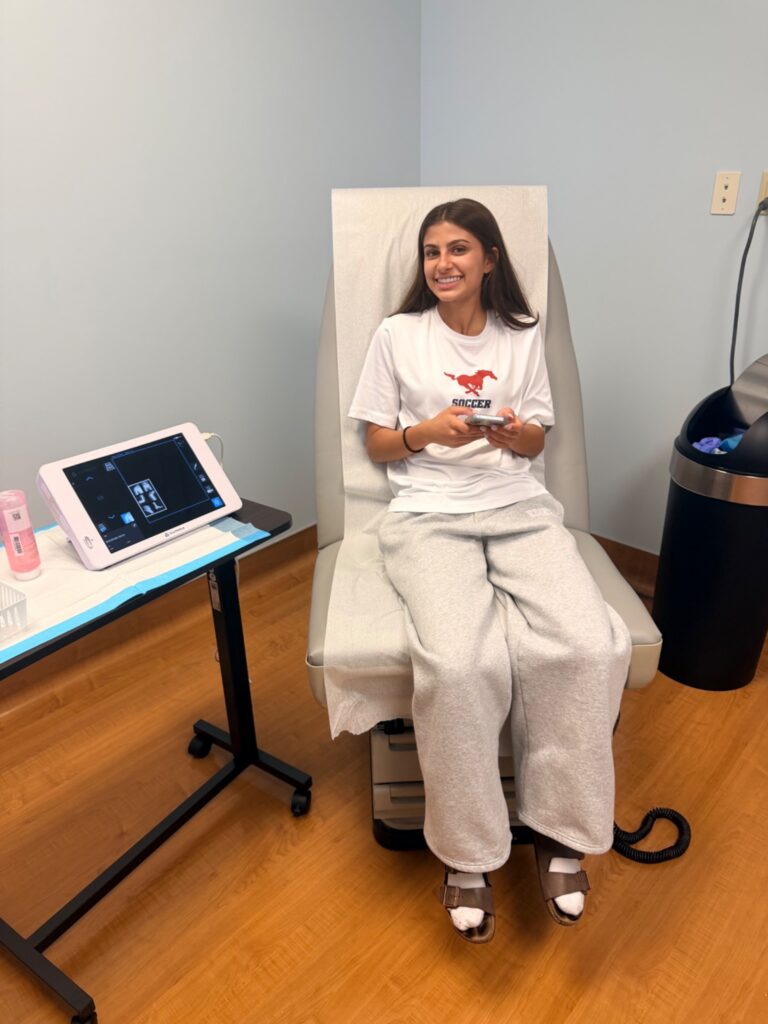
For me, that experience became very real while recovering from medial meniscus degeneration. My recovery involved physical therapy, targeted plasma therapy, electroacupuncture, and long periods of daily NSAID use under medical care.

Rehabilitation became its own kind of training, but it was entirely different from the training I was used to. Instead of measuring progress through games, practices, or personal records, progress sometimes meant completing another therapy session, doing another set of exercises, or simply getting through another day of pain.

The physical injury was only part of the experience. The harder question was often, “Who am I when I can’t do the one thing that has defined so much of my life?”

That question made me realize how important it is for athletes to develop communities outside of sports before they need them. My family became one of those anchors.

School and church friends outside athletics became another. I also found comfort in interests that had nothing to do with competition. In my case, that meant collecting an eclectic array of vinyl records from indie to pop. Records gave me something to explore, learn about, and get excited about that had nothing to do with whether my knee was healthy enough to play.

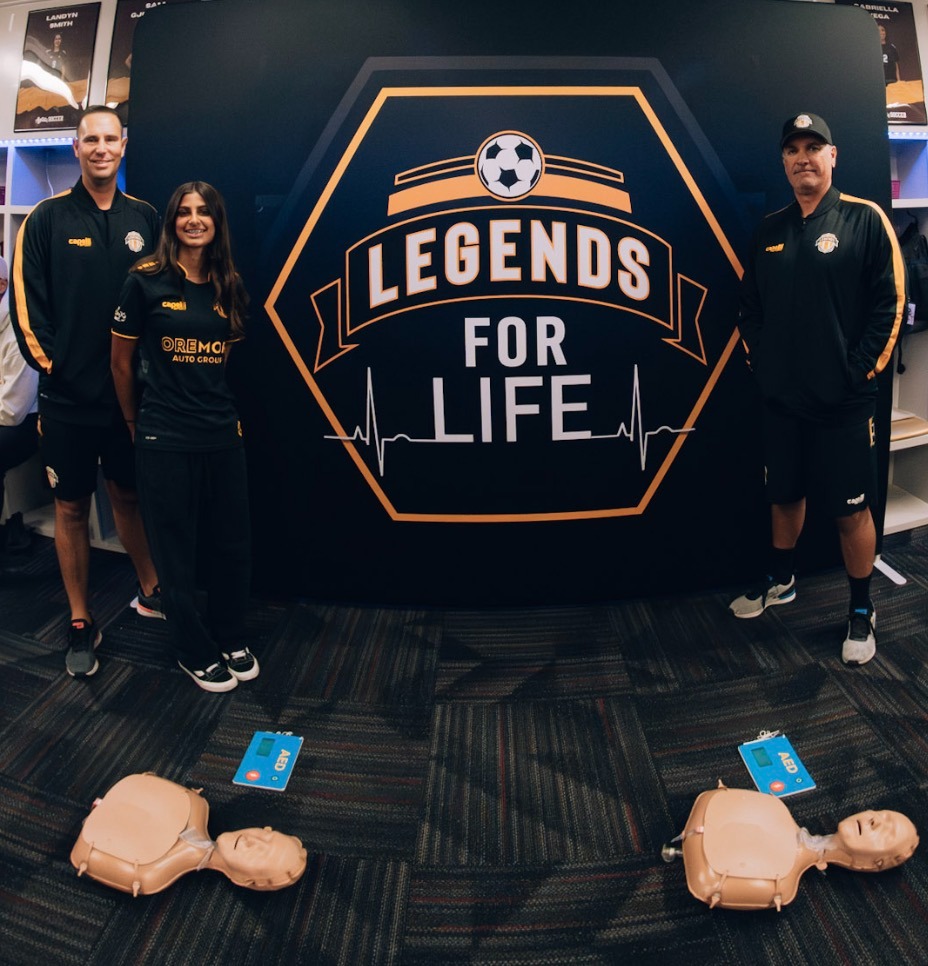
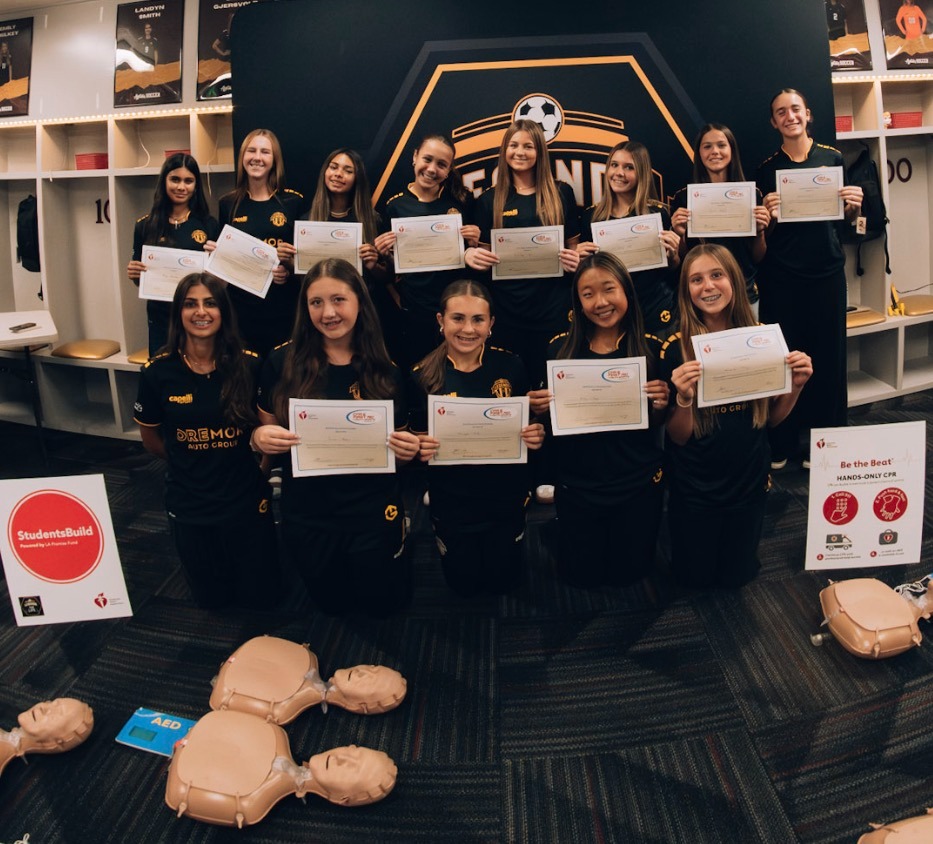
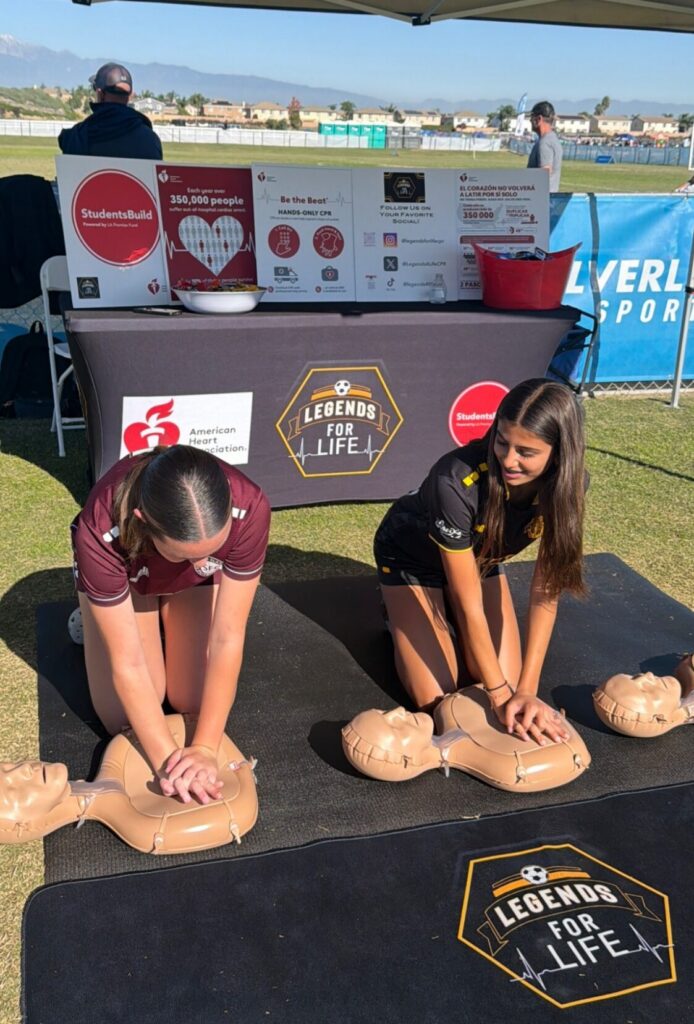
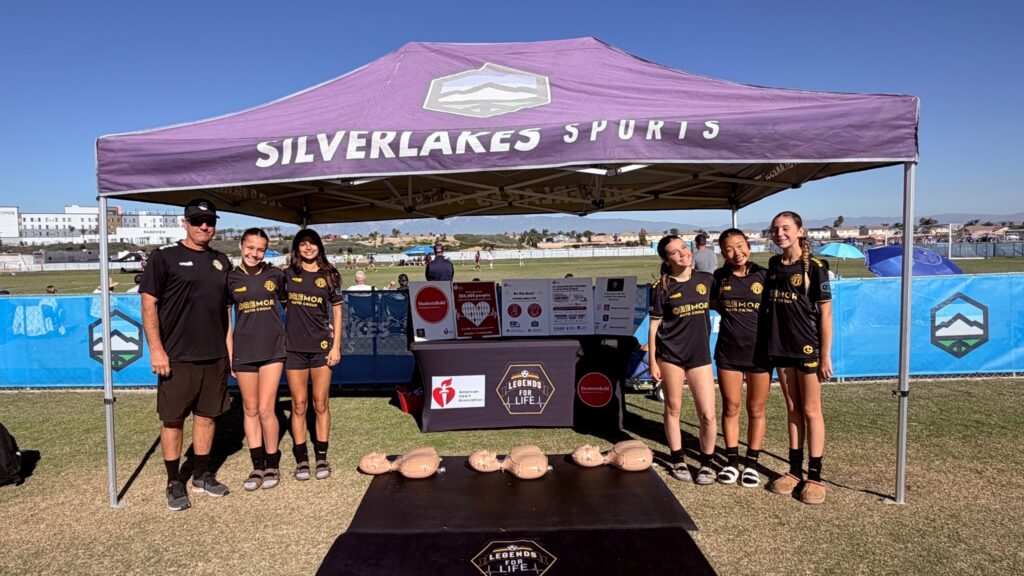
I also found that I didn’t have to completely leave the athletic community behind just because I couldn’t compete. Athletes for Hope became an important part of that realization. Being connected to a community of athletes who are using their experiences and platforms to serve others gave me a different way to understand what it means to be an athlete. I could contribute, connect, and make an impact even when I wasn’t competing. Through the Athletes for Hope High School Leadership Program I was able to support and expand my educational organization, Legends for Life CPR program.

Learning and sharing lifesaving skills gave me a sense of purpose that wasn’t dependent on my physical ability to compete. It reminded me that an athlete’s value isn’t limited to what they can accomplish on a field, court, track, or in a pool. We can also be leaders, advocates, teammates, mentors, volunteers, and people who help our communities.

Religion and faith became another important part of that support system. For me, my church community provided a place where I was not being evaluated by my athletic performance. I could show up as a person rather than as an athlete.
For some athletes, faith provides community, routine, hope, perspective, prayer, mentorship, and a sense that personal worth extends beyond performance. It can create a space where an athlete’s identity isn’t dependent on winning, statistics, playing time, or physical ability. During an injury, when so many familiar parts of an athlete’s life can disappear, that sense of belonging can become especially critical.

Faith can also provide a framework for dealing with uncertainty. Athletes are accustomed to setting goals and working toward measurable outcomes. Injury can take away that certainty. Recovery can be unpredictable, and there can be days when progress feels impossible. My church community provided me with the opportunity to reflect, connect with others, and find meaning even when I couldn’t control the outcome of my recovery.

Of course, religion is personal, and every athlete’s experience is different. Not every athlete is religious, and faith should never be treated as a requirement for mental health or recovery. The larger lesson is about community and connection. Athletes need places where they belong that aren’t solely dependent on their ability to perform.
My biggest lesson from injury is that an athlete needs an identity that is bigger than their sport. That does not mean caring less about competition. It means understanding that being an athlete is only one part of who I am.

I don’t know if “athlete displacement” will become an official term in sports psychology.

Right now, it is the language I use to describe something I experienced and felt firsthand. But I hope it starts a conversation.

Because when an athlete gets injured, we shouldn’t only ask, “When can you play again?”We should also ask them, “How are you doing when you can’t?”

And maybe even most importantly: “Who are you when you aren’t playing?”

Learning the answer before an injury happens may be one of the most important forms of preparation an athlete can do and a protective factor for athlete wellbeing.
AFH Olympic Athlete Spotlight

Winning with a heart of gold

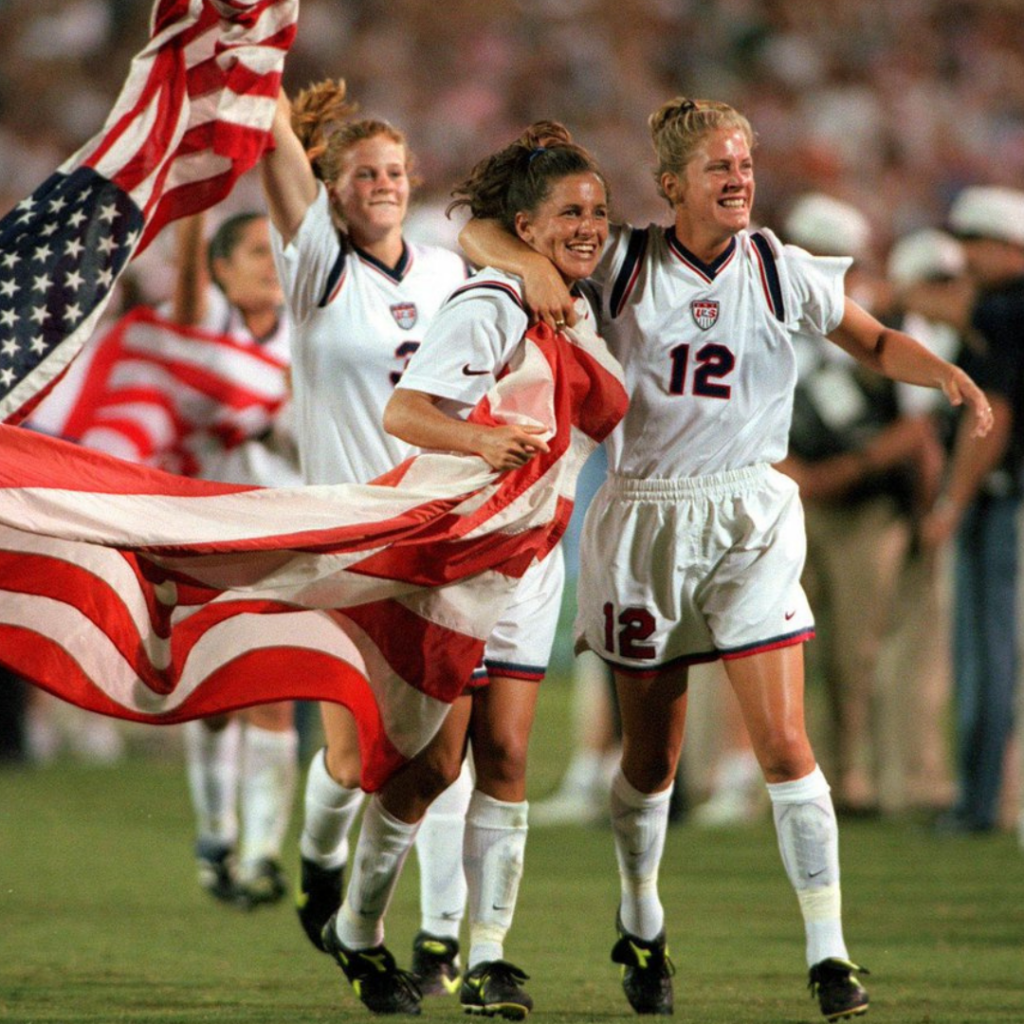
Star soccer forward and National Soccer Hall of Fame inductee Carin Jennings-Gabarra is more than just her accolades on the pitch. While she is known for being a part of the United States “Triple-Edged Sword” of attackers in its victory at the 1991 Women’s World Cup, it’s the time spent in her community that she cherishes the most.

Growing up with two older brothers who were “always playing sports” was the catalyst for Gabarra’s passion. She remembers falling in love with soccer in 1973, the very first time she played.

Back then, when girls were just getting the opportunity to play organized sport, it’s hard to fathom that Gabarra would go on to receive the first-ever Women’s World Cup Adidas Golden Ball Award as the best player at the 1991 FIFA Women’s World Cup or become an Olympic Gold Medalist.

In fact, it was at the Olympic Games in Atlanta that she realized how many athletes give back and “use the platform they have to be a voice for those who have no voice.” When she retired from the national team after the Olympic Games, she had 119 full international appearances and 56 goals, ranking her third of all time in caps and tied for third in goals.

Being an alumni of the U.S. Women’s National Soccer Team, Gabarra has been surrounded by countless teammates and coaches who invest in their communities by giving back to those in need.

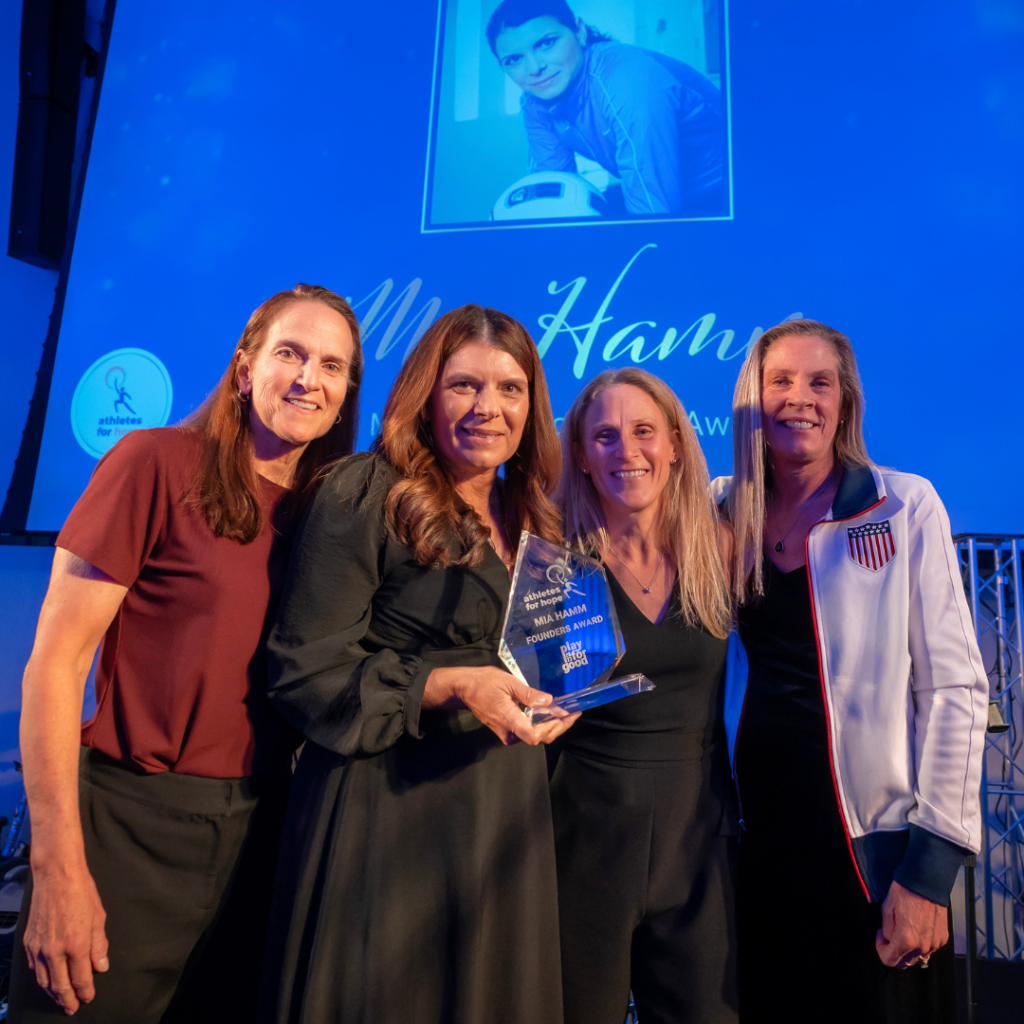
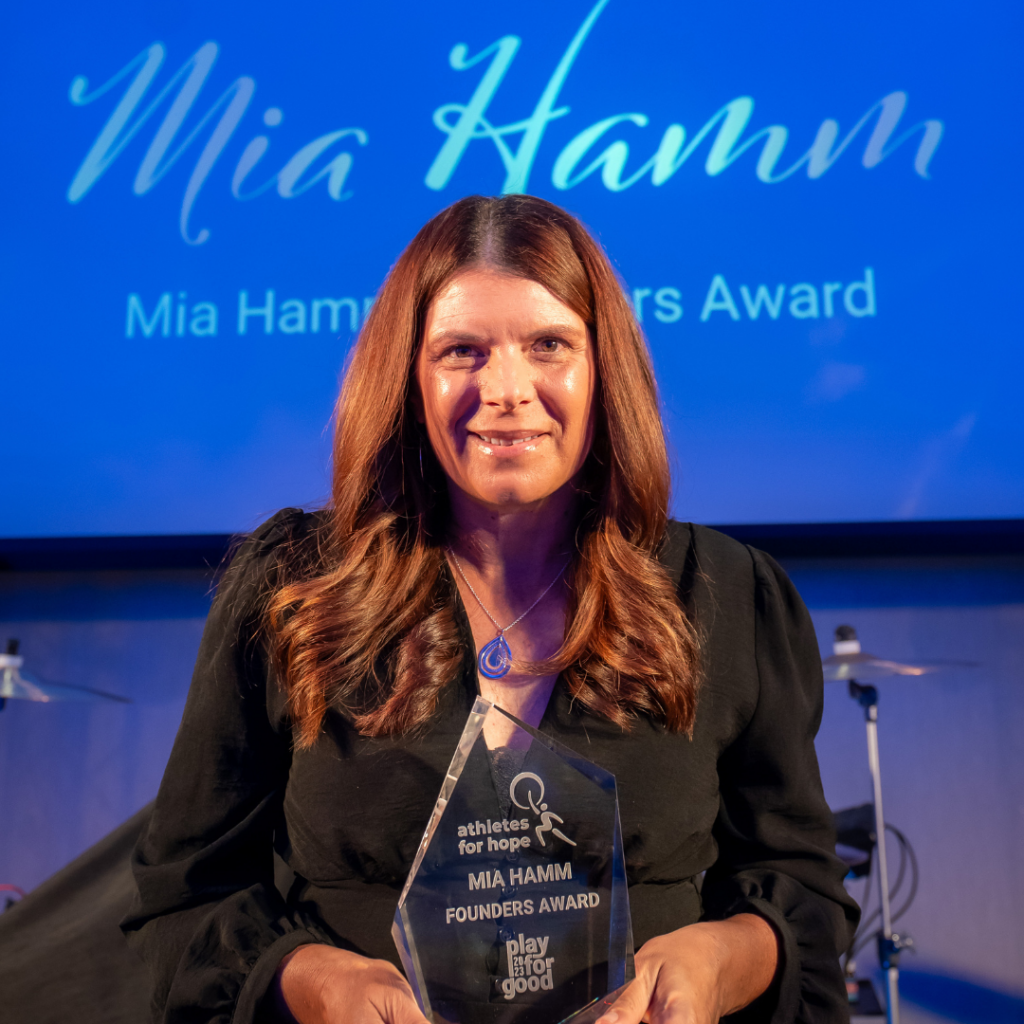
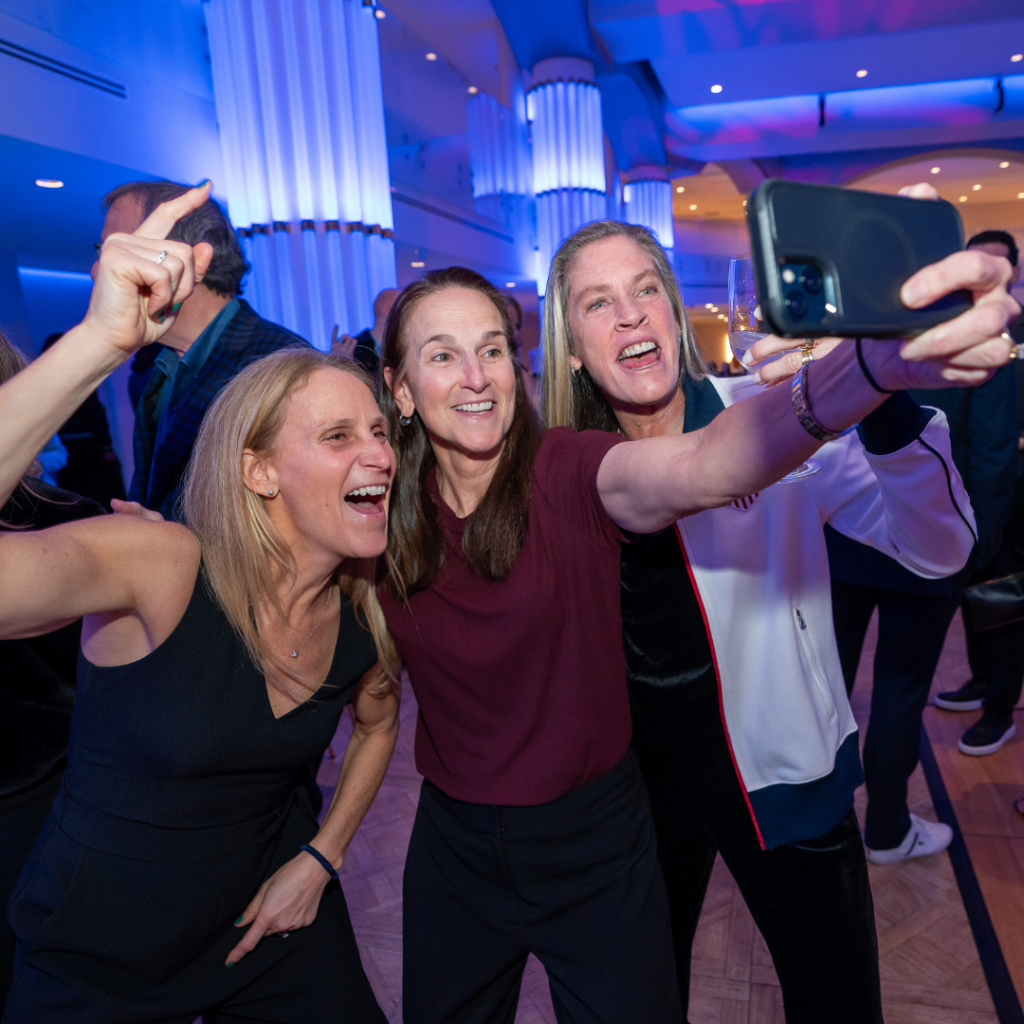
One such teammate is none other than AFH Founding Athlete Mia Hamm, who most recently was the inspiration and first recipient of the Athletes for Hope Inaugural Mia Hamm Founders Award at the 2023 Play for Good event. Gabarra celebrated with her teammate Mia and other USWNT Alumni at the event which aimed to raise funds for AFH’s programs.

Outside of the relationships she has built from her time playing professionally, Gabarra is giving back to the next generation of women’s soccer players through her love of coaching.

Her coaching career began in 1987 at Westmont College in Santa Barbara where she guided the Warriors to a 6-10-0 record as head coach. In 1988, Gabarra moved on to the Ivy League where she served as an assistant coach at Harvard.

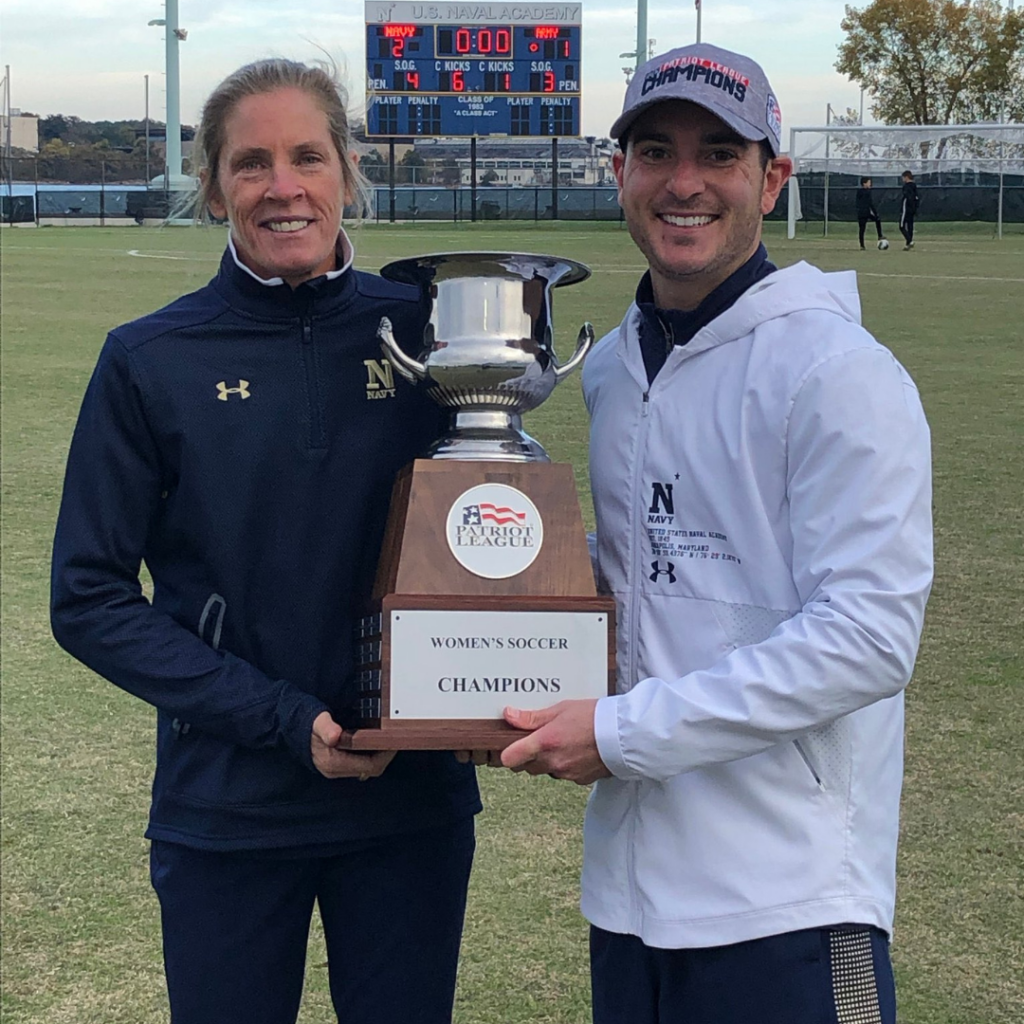
In 1993 Gabarra arrived at Navy, building the Navy soccer program from the bottom level to, now, one of the Mid-Atlantic Region’s most competitive teams. Along with a long list of other coaching accolades, Gabarra joined an elite group of coaches when she won her 300th career game during the 2015 season, further staking her claim as the Patriot League’s all-time wins leader.

When looking towards the future of women and girls in soccer, Gabarra is passionate about leveling the playing field and making soccer an accessible and equitable sport for all.

“I want girls to follow their dreams, younger girls to play confidently and to feel like they’re accepted and that they’re athletes, not female athletes, and be able to compete and play at any level they choose.”

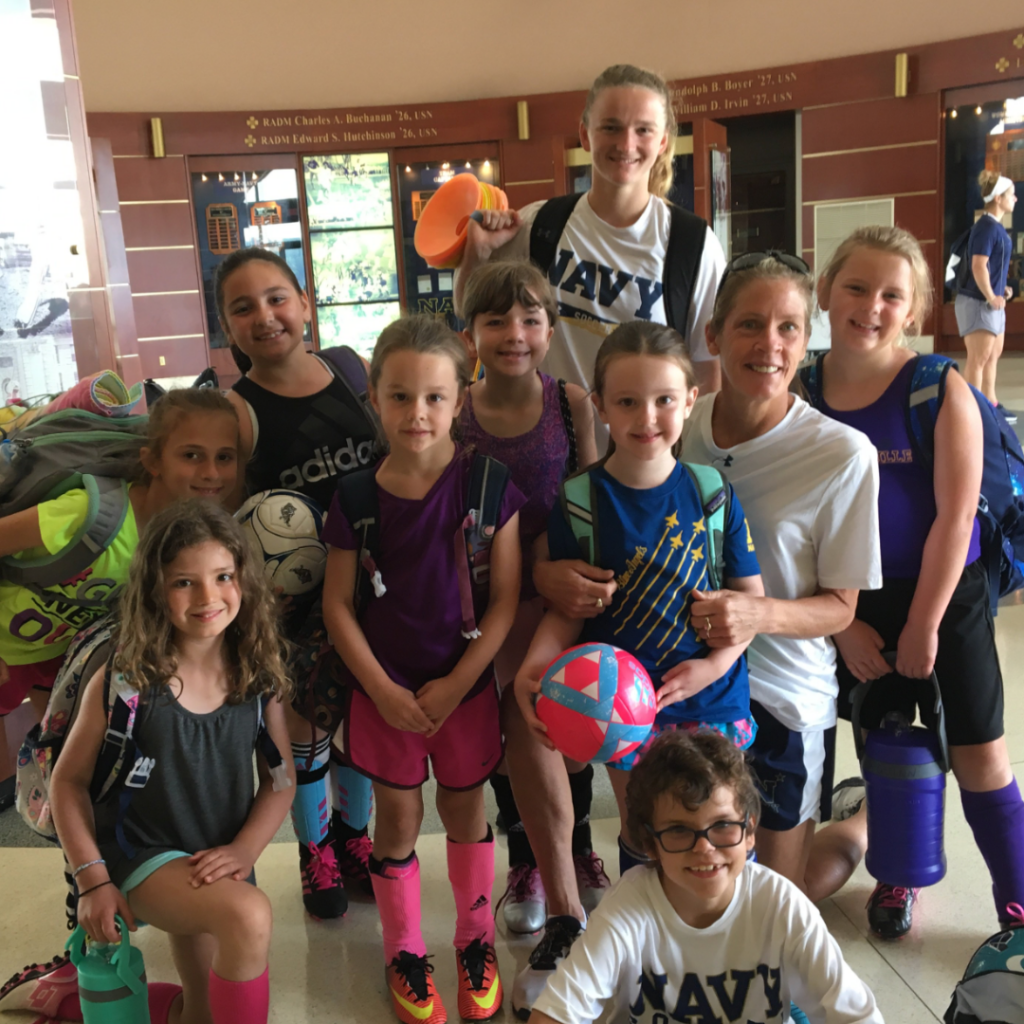
Despite her busy schedule, Gabarra says that community service must be a priority, noting that she has “truly loved each service project” she has been a part of. While she claims to have no favorites, she says she does have a passion for volunteering at soccer clinics within underserved communities.

For athletes who may be retired or just starting out on their philanthropy journey, Gabarra’s advice is simple.

“My advice to other athletes is to turn to organizations such as Athletes for Hope and utilize them to give back in various ways. There is always time to give back to the community. It must be a priority.”

Olympic Athlete Spotlight

Shannon Boxx continues shining beyond the field

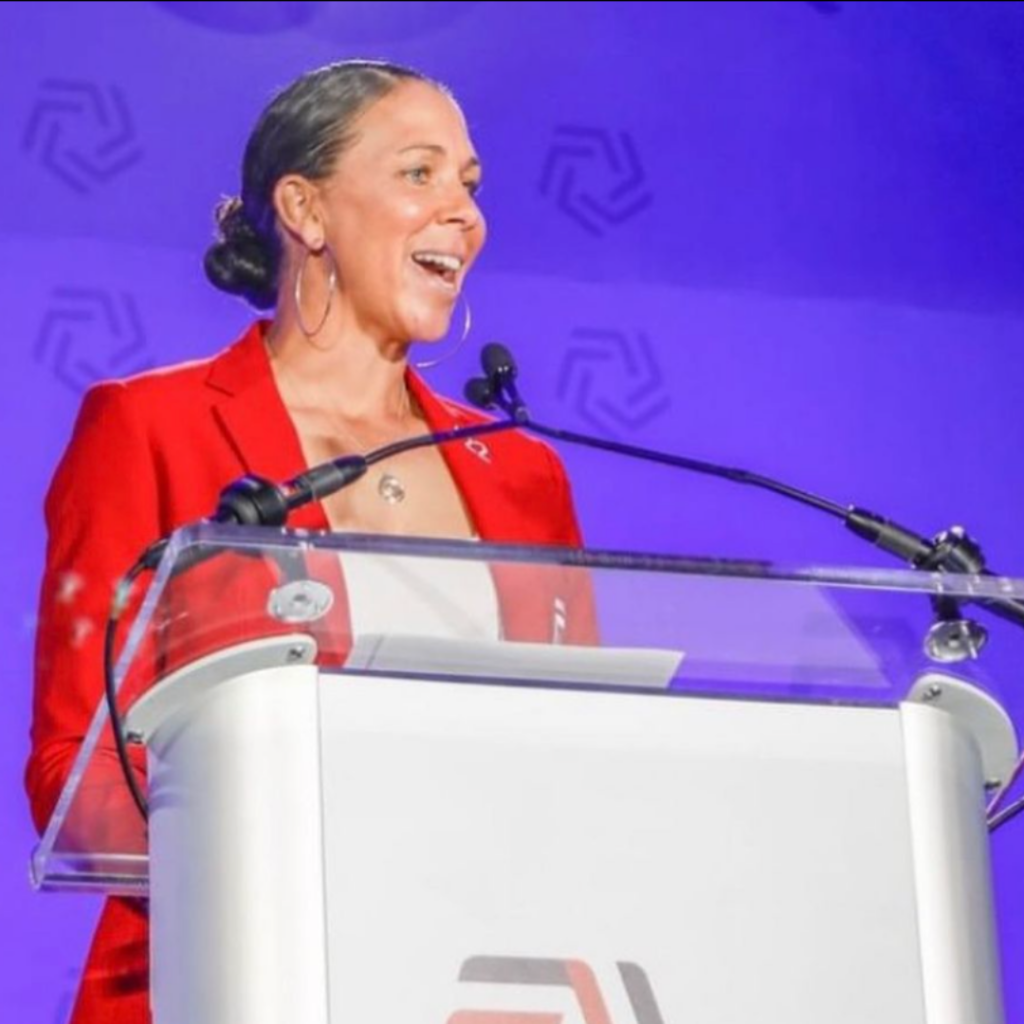
For National Soccer Hall of Famer Shannon Boxx, it is the people, not the sport itself, that have helped her down the path to becoming a national icon. The former midfielder participated in three Olympics and four World Cups for the United States, but her career highlights stem well beyond the field. 

Boxx simply embraced every aspect of her life, from her multiracial heritage or numerous injuries, en route to a game that took her from the age of 4 to the age of 38. Despite receiving her first call-up at 26, Boxx ranks within the top-12 of Americans with the most career appearances and has the most USWNT appearances of any Black woman. She had a 12-year national team career, yet it was the choices outside of soccer that has stuck with Boxx the most. 

As a professional athlete I always knew I had a greater responsibility than just performing on the field. As a female athlete I knew how important it was for me to be a role model.

Shannon Boxx

And a role model she was. 

Boxx was diagnosed with Lupus at the age of 30 during one of the best times of her playing career. Lupus is an autoimmune disorder where one experiences inflammatory fatigue from one’s own immune system attacking its tissue. This made not only soccer but life, difficult for Boxx. 

She had to learn how to understand her body in ways she never truly thought about before, noticing signs that could lead to sudden bursts of muscle and joint pain. 

The USWNT starter was just two years removed from a FIFA Player of the Year finalist berth in 2005 when Lupus tried to derail her. However, Boxx did not let the disorder dictate her lifestyle. It eventually sparked a new goal: wanting to help others. 

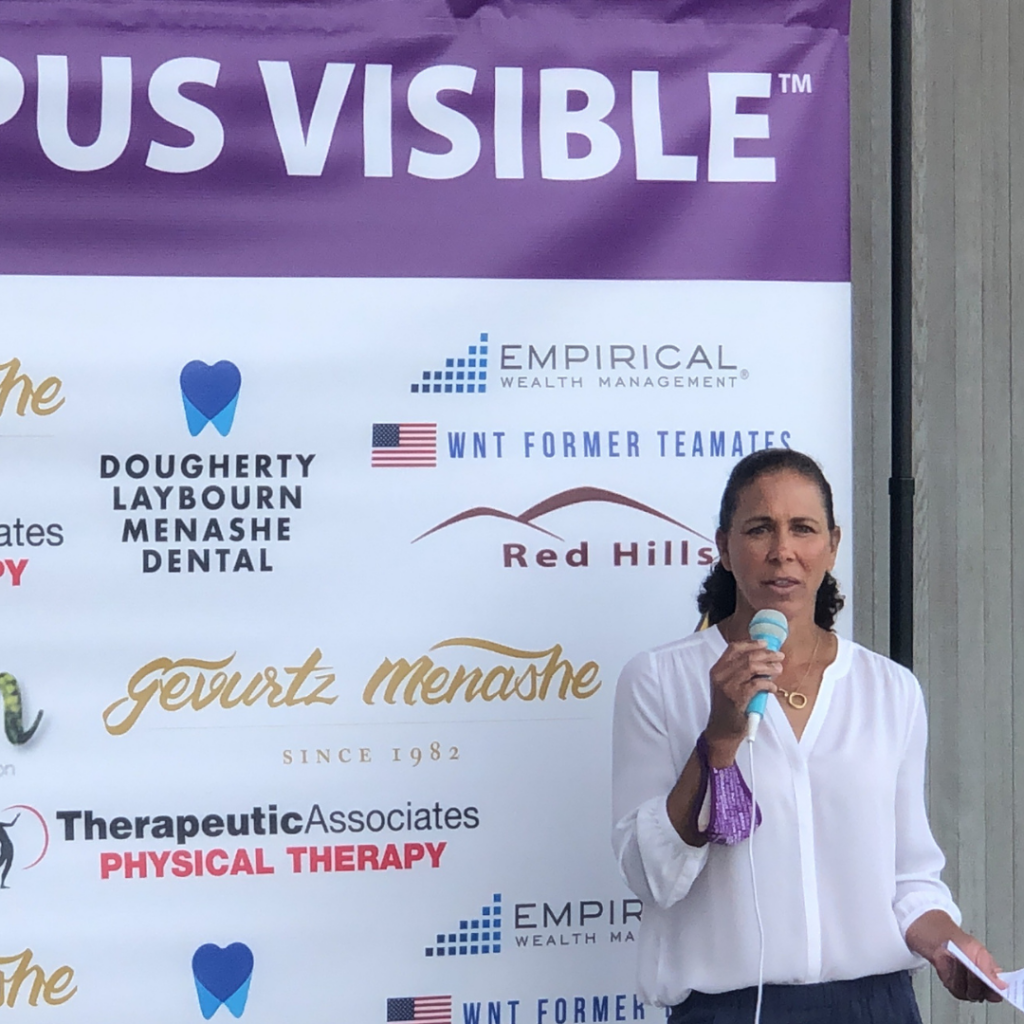
I was afraid to let people know about my Lupus but once I realized how important it was for me to share my story, to make Lupus visible, I wasn’t afraid anymore.

Shannon Boxx

What went from a fear of looking weak became her biggest strength. 

Today, Boxx is one of the biggest advocates for spreading awareness about Lupus and points to her passion for the subject as the key reason she wants to find new ways to help. 

“It wasn’t until around 2012 I realized with social media how important it was for me to use my platform to help others and to bring greater awareness to things I truly cared about,” Boxx said.

Athletes for Hope has helped Boxx in more ways than one and continues to stand alongside the former soccer star throughout her advocacy journey, becoming another name to the list of people that have had a mutual impact with Boxx along the way. 

When you are passionate about something it makes it easy to create space for it. I truly enjoy helping empowering others to reach their full potential and I have loved that Athletes for Hope has helped me find avenues to be able to do that.

Shannon Boxx

So while soccer as a game has given Boxx a platform to become a notable advocate for Lupus, without her family, friends, coaches, and teammates along the way, she does not believe she would have seen the same success. 

“I feel so blessed to have been able to do the things that I have done and I know everything I have accomplished is because of the support of the people around me who were willing to make time for me,” Boxx said. “I have always wanted to pay that kindness forward.”

Four Olympics and three World Cups do not define Shannon Boxx’s legacy. The mark she is leaving surpasses her success on the field as she has used her platform for good. She is helping create the change she once wished to see in the world, a change that shines a light on the disorder that she thought might bring her down. 

Boxx realized that her fears were in her head, and the impact she could make was important enough for her to overcome her own doubts. 

My advice is just get out there and try it even if you don’t know exactly what cause you are interested in yet. Use Athletes for Hope to help connect you and over time you will realize where your passion lies.

Shannon Boxx

Alessandra Sachs, Brazilian National Soccer

Athletes for Hope would not exist without the drive, passion and dedication by athletes all over the world to make the world a better place. In our Member Athlete Spotlight series, it is our hope that the public will get to know our athletes, learn about the philanthropy and advocacy work they’re doing and understand what motivates them to use their platform for good. 

What is your name, sport, team?

My name is Alessandra Sachs, Soccer, Rivelino Soccer Club/Brazilian National Team

What inspired you to give back to your community/commit time to service?

I’m a huge tennis fan and one of the players I admired growing up was Arthur Ashe. He was a trailblazer, being the first black man to win the US open, Wimbledon and the Australian Open. I never had the opportunity to watch him play but was fortunate enough to have one interaction with him I will always remember. It was the 1988 US Open and Ashe was on a payphone.  I approached him to ask for an autograph. He was super nice and was very interested in me and my tennis journey. That being said, I love his quote: “Start where you are. Use what you have. Do what you can.” A few years back I wanted to give back and did not know where to go or what to do. Like the quote says, I just started looking for little volunteering gigs here and there.

What cause(s) are you passionate about? Why?

The causes that I am most passionate about are adaptive sports and eliminating food insecurity.  First, I believe everyone should have the opportunity to play a sport and be physically active no matter their physical limitations. It makes me feel elated when everyone is able to play together. The need to eliminate food insecurity became important to me because I see homeless everyday on the job. It definitely makes me aware that it could happen to anyone at any time. This year, especially due to the pandemic, we are looking at approximately 42 million Americans who will experience food insecurity. To think that so many people do not know when they will have their next meal really inspires me to do something to help.

What has inspired you or what has been your favorite moment when giving back to the community?

2020 was a unique year and I wanted to do something distinctive to celebrate my 46th birthday. I decided that I would run 4 hours and 6 minutes on my birthday day. 2020 also showed us that things can turn on a dime and so I decided that I wanted to help the homeless community in Phoenix. I went to Social Spin, which is run by a good friend, and asked what she saw what was needed in the community. She said that toiletries and new socks are always items that the unsheltered community are in need of.

As Mr. Rogers said, “we all have different gifts, so we all have different ways of saying to the world who we are.”

I used my resources from different communities that I’m part of and we raised over $300 which gave me the opportunity to buy numerous toiletries and hygiene items.

This moment was so memorable and I never thought in a million years I would have ran 4 hours and 6 minutes (17.5 miles).

The Seattle Reign Visits Camp Kesem

Summer is time for camp and fun, but for some children having a good time is the last thing on their minds. That’s why Camp Kesem was founded nearly 20 years ago. Camp Kesem, operates free summer camps for children who have been impacted by a parent’s cancer. Camp Kesem has expanded to 116 chapters in 42 states across the country. Our athletes have been spending the day with Camp Kesem campers for several years now. It’s a big ask to have an athlete spend the whole day and often travel long distances to go on a visit. This year, the Seattle Reign lead by Megan Oyster, was up for the task!

“We had the best time spending the day at Camp Kesem!! The camp leaders were so welcoming and gave us a tour of all of Camp Kesem right when we arrived. We got to experience some of the fun activities that they do each day. We were dancing and singing along to camp songs a few minutes after we arrived. We also had so much fun playing soccer with everyone! We set up a few small goals and just played endless games. Everyone was giving it their best effort. It was definitely a day to remember and all of us from the Reign are so happy we made the trip!”

Thanks to Megan Oyster, Rosie White, Morgan Proffitt, Christen Westphal and Sammy Jo Prudhomme from the Seattle Reign for spending the day with the kids. If you’re an athlete and are interested in getting involved in a Camp Kesem next year, please contact us!

One Nation. One Team.

It’s World Cup time and I’m so excited to cheer on Team USA! My name is Megan Oyster and I am a professional women’s soccer player for the Seattle Reign and in the off-season, an athlete ambassador for Athletes for Hope. I feel so lucky to cheer on this year’s national team. I’ve been fortunate enough to share the field with the majority of this 23-player squad and I can tell you first hand, it’s filled with absolute studs.

These women are the types of players that you love as teammates but can’t stand playing against. They are the ones your coach creates entire PowerPoints about filled with their strengths and wishes you the best of luck defending. As we inch closer to kickoff, I wanted to tell you a little more about the dedication, resilience, and tenacity of these incredible players from my perspective – as a teammate.

Let’s start with Sam Mewis. She was my college teammate and one of the main reasons our team at UCLA was so successful. Her strengths are endless and it’s been evident in the recent World Cup send-off series where she’s scored three goals in three games. One of Sam’s biggest assets is her long-range shot. She can shoot from anywhere and everywhere. When we were at UCLA, Sam would always gather up balls after practice and shoot from a variety of angles and distances, one ball after another, rep after rep. Now when I see Sam rip a bomb from 30 yards out in the same spots she practiced, I’m not surprised at all and I also can’t stop cheering. She has earned each and every one of those goals.

Megan Rapinoe is another major weapon for the U.S. and is also my current teammate with Reign FC in the NWSL. She is a free-kick master and I can assure you that did not just happen by chance. After training, while everyone else is cooling down, “Pinoe” will set up dummies and challenge our coaches to a free-kick competition. She hits unreal benders, curved and dipping shots, and lasers to the corner. She tries it all. Sometimes the ball will sail high above the goal making the rest of laugh, but when it comes time to take those game-changing free kicks, she’s the one drilling it into the back of the net.

Lastly, I’m so happy to see Ali Krieger on the squad. She’s a fan favorite and someone I had the opportunity to play with my first year in the NWSL with the Washington Spirit. I was a true rookie and doing my best to learn how to be a professional. Thanks to Ali’s leadership, I had the best example to show me the ropes. She cared about every single detail of training. The perfect texture of a pass, how to drive a ball smoothly on the grass, the tempo of play, how to focus during stretching, how to take care of your body before and after training, even how one should stand when the coach is talking. She does it all, every second of every day. When I see Krieger about to go 1v1 with the some of the best forwards in the world, I think to myself, this forward has no chance.

Needless to say, these women are more than ready for the challenge ahead. The competition is going to be the best yet and the games are going to be thrilling to watch. I’m deeply inspired by all of the hard work that these players have put in to prepare for this opportunity and I can’t wait to watch it all pay off!

And thank you Athletes for Hope for always cheering on women’s soccer and for uniting us in community service! The real MVPs!

By Reign FC Defender, Megan Oyster