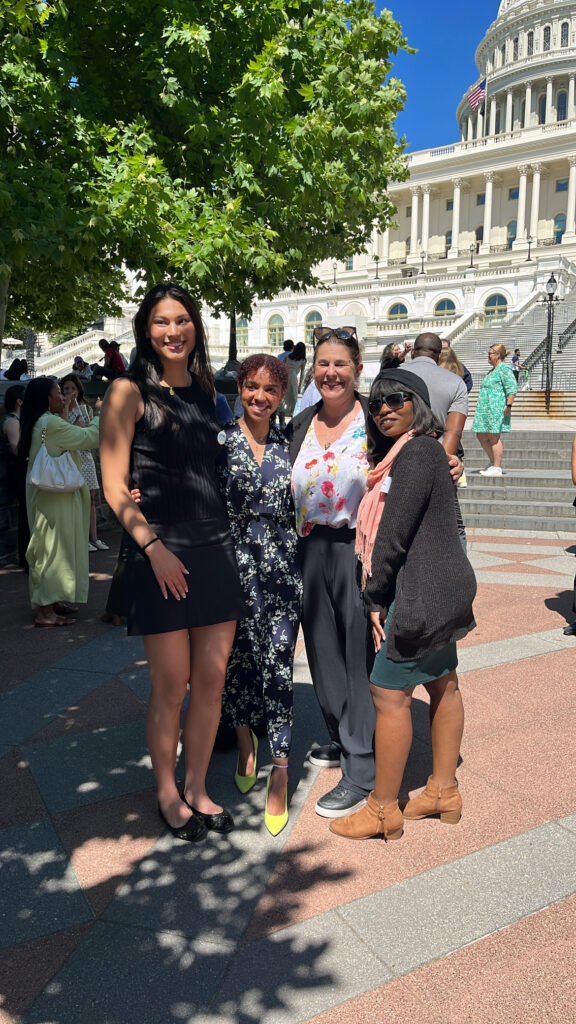
In celebration of Mental Health Awareness Month and our upcoming Virtual Advocacy Day on May 13th, we’re excited to share this powerful blog on mental health advocacy – written by our very own Athlete Mental Health Alliance Legislative Committee Co-Chairs, Matt and Doria. Give it a read and sign up for Virtual Advocacy Day at the link in our bio!
- What are the greatest or most unique mental health challenges that athletes face?
- Matt: Perfection while others are watching and scores are being kept.
- Doria: Athletes experience intense performance pressure, identity foreclosure, and constant public scrutiny, often while navigating injuries, transitions, and power imbalances that discourage vulnerability.
- What misconceptions do you see people have about athlete mental health?
- Matt: That athletes are either always tough enough to push through or that taking care of your mental health is a sign of weakness. Athletes are human first and people often forget that when they make comments on social media posts or articles.
- Doria: There’s a persistent belief that elite performance equals mental resilience, which overlooks the emotional toll of competition and reinforces stigma around seeking help.
- How do you see current mental‑health policies supporting or failing athletes?
- Matt: I see some supporting athletes, like various mental health coach training bills around the country as well as establishing different resources available to them. Where I see policies failing them are things like NIL and the money that can get involved in sports. It can bring in a new dynamic of employee/employer mindsets and demand performance or leverage will/can be used.
- Doria: While awareness has increased, policies remain inconsistent and reactive, often lacking enforceable standards, long-term care, and protections beyond crisis moments.
- What policy gaps do you believe are most urgent to address to protect athlete mental health?
- Matt: I think athletes need a standardized bill of rights, so to speak. A clear standard across the country. Large D1 schools have a lot of things to help their athletes but D2/D3/JUCO don’t. Coaches’ training needs standardization as well.
- Doria: Clear standards for confidential care, independent mental health providers, transition support, and protections against retaliation are urgently needed across all levels of sport.
- How does your organization engage with lawmakers or government agencies to push for change?
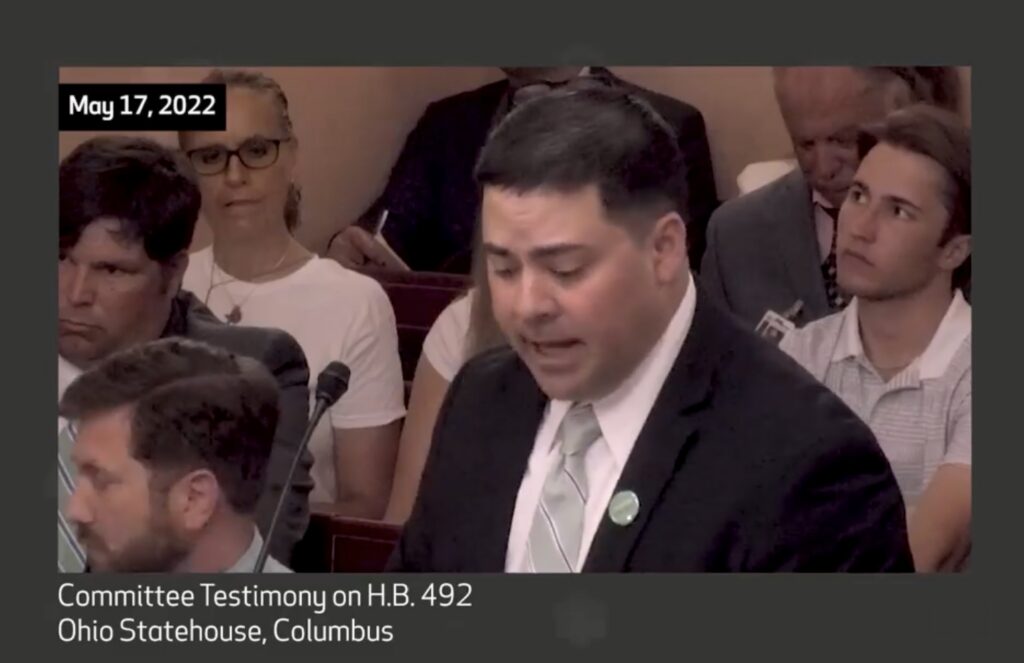
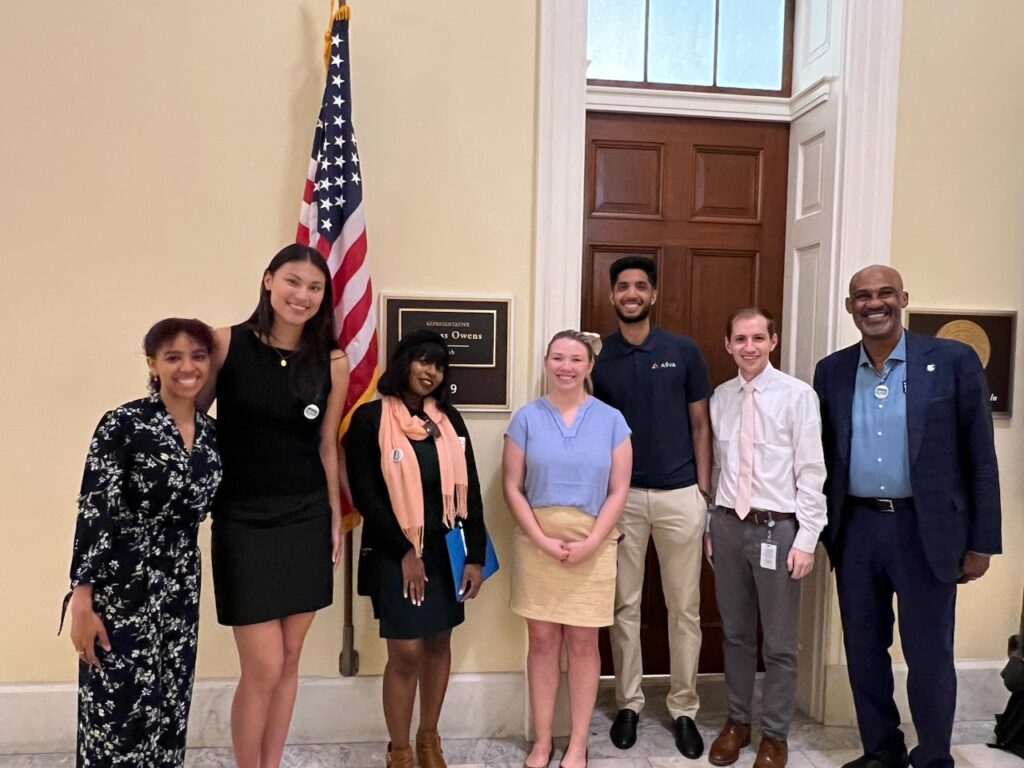
- Matt: We help organize grassroots efforts to bring about legislation for coach mental health training, making it a part of the certification process for coaches. To date we have been successful in Ohio, Maryland, Virginia, and are actively working with legislation in other states.
- Doria: Your Why LLC engages policymakers through research-driven policy recommendations, coalition building, and direct advocacy informed by athlete experiences and mental health data.
- How do you make sure athlete voices are represented at the governmental level?
- Matt: We advocate on their behalf as former athletes and work closely with the AMHA Athlete Advisory Committee to ensure that the athlete’s voice is heard.
- Doria: We center lived experience by elevating athlete testimony, incorporating athlete-informed research, and ensuring policy proposals reflect real-world conditions athletes face.
- What strategies have been most effective when advocating for athlete mental‑health legislation?
- Matt: Working directly with the legislators and their office.
- Doria: Pairing athlete stories with data and framing mental health as both a public health and workforce issue has proven most persuasive with lawmakers.
- What challenges do you face when trying to get policymakers to prioritize mental health in sports?
- Matt: The political aspect of it, not necessarily with the policymaker we work with but those voting in committee or on the floor. Sometimes it’s about funding, additional administrative burden, but ultimately it’s been something we’ve been able to help work around.
- Doria: Mental health in sports is often deprioritized in favor of performance or revenue concerns, and policymakers may lack familiarity with the unique structures governing athletics.
- What policy wins are you most proud of, and what impact have they had?
- Matt: HB33 in Ohio, it’s a provision in a bill that requires all high school coaches in Ohio be required to have mental health training. It was the first of its type in the country and kicked off the efforts we’re doing today.
- Doria: We’re proud of advancing conversations that embed mental health into athlete safety frameworks, helping shift policy narratives from optional support to essential protection.
- If you could implement one nationwide policy tomorrow, what would it be and why?
- Matt: An athlete bill of rights. It would standardize how student athletes are treated regardless of the school they attend and what recourse they would have should those be violated.
- Doria: A nationwide mandate requiring independent, confidential mental health care for athletes at all competitive levels to ensure access without fear of consequences.
- How does athletics culture influence how athletes perceive mental health?
- Matt: I think it varies by sport, school, division, gender, and area of the country. Some might be very in tune with it and understand its importance and others have heard about it but think “that’s not a problem, not here.”
- Doria: Sports culture often glorifies toughness and silence, which can normalize suffering and delay help-seeking until athletes reach a breaking point.
- What still needs to change in sports culture to make mental‑health support more accessible?
- Matt: Coaches having the knowledge of what mental health is and that it goes beyond depression. It’s depression, anxiety, performance, body image, eating disorder, addiction, etc. There’s more to it than just feeling “down”. Ending the sigma is being able to TALK about it, not just listen or being supportive of a cause.
- Doria: Mental health must be treated as integral to performance and well-being, with leadership modeling vulnerability and systems rewarding care, not concealment.
- How does policy advocacy directly influence the day‑to‑day mental‑health experience of athletes?
- Matt: It can help them have more people in their corner and goes beyond the field performance.
- Doria: Policy sets the conditions for access, confidentiality, and accountability, shaping whether athletes feel safe seeking help and supported throughout their careers.
- What inspired you to work at the intersection of mental health and athletics?
- Matt: I had a student athlete have an issue and I wasn’t prepared. I noticed a trend that athletes were dying by suicide and THEN the people around them would get training. I wanted to flip that thinking and have coaches prepared in the event something happens and an athlete comes to them.
- Doria: Seeing how structural gaps leave athletes unprotected—despite their visibility and influence—motivated me to focus on policy solutions that create lasting systemic change.
- What advice would you give to someone interested in mental‑health advocacy within sports?
- Matt: Have a specific issue in mind and think about if it’s something that legislation can truly solve and do your research. Being passionate about something is great, but is it something a general audience of lawmakers will also see the need for change because not everyone shares the same vision or experiences
- Doria: Ground your advocacy in both lived experience and policy literacy, and build coalitions that connect athletes, clinicians, and lawmakers to drive durable reform.