- Can you introduce yourself and share a little about what inspired you to get involved with the Athletes for Hope High School Leadership Academy?
Hi! My name is Anushka Nag, and I’m a competitive recurve archer + brain injury advocate at
Lambert High School. I’m an avid cook and baker, and I LOVE hiking! When I heard about the
AFH HSLA, I knew I wanted to get involved because community-focused mentorship is a big
part of how I got to where I am right now. That being said, I always want to be a better advocate,
community leader, and speaker, so learning from the webinars and conversations here have
been wonderful. It’s great to meet other passionate athletes like myself with the same
enthusiasm for their own community-serving niches!
- As part of the program, you’re leading a campaign focused on brain injury awareness. What motivated you to focus on this issue?
Brain injury awareness is a topic near and dear to my heart. While I’ve never sustained a
concussion, I’ve had multiple experiences with several musculoskeletal injuries (particularly
tendinopathies) and carpal tunnel (which is nerve related) as a result of overtraining and poor
form. Unfortunately, I never felt supported in my injury journey with my prior coaches and was
lost as to what these injuries were and how they could impact me. (I did end up finding a new
coach, and with the help of him, my parents, and my ATs I’m happy to say I’m pain free today!)
Alongside that experience, I began to notice the same feelings of uncertainty or “not knowing”
about concussions in my friends who played contact sports. It was the same across soccer,
wrestling, or diving: there was no preseason education for concussion, so when someone got
injured, athletes either disregarded symptoms or stressed out over the injury. When talking to
various coaches, athletic directors, and physicians in the area, we found that this was a true gap
in the athletic/educational system: why should coaches and parents be taught about the
dangers of concussion and not the athletes themselves?
- Brain injuries and concussions are often discussed in sports, but many people still misunderstand them. What are some key things you think young people should know about brain injuries?
The biggest thing I feel people misunderstand about concussion in sports is that concussions
are NOT an acute issue. What this means is that all forms of TBI are in fact a chronic issue:
some symptoms may last longer or worse in different people than others. This shouldn’t lead to
more frustration regarding post-concussive symptoms or a longer recovery time, but rather try to
work with your brain and your medical team through this event. However, this makes it all the
more important that you report symptoms in yourself and others; the faster you report, the better
your recovery will be. Another thing is that concussions don’t just happen through hitting your
head: whiplash injuries can cause severe concussions that are often missed on the field. It’s
better to be safe than sorry after a particularly disorienting hit/play.
- What have you learned while researching and developing your brain injury awareness campaign?
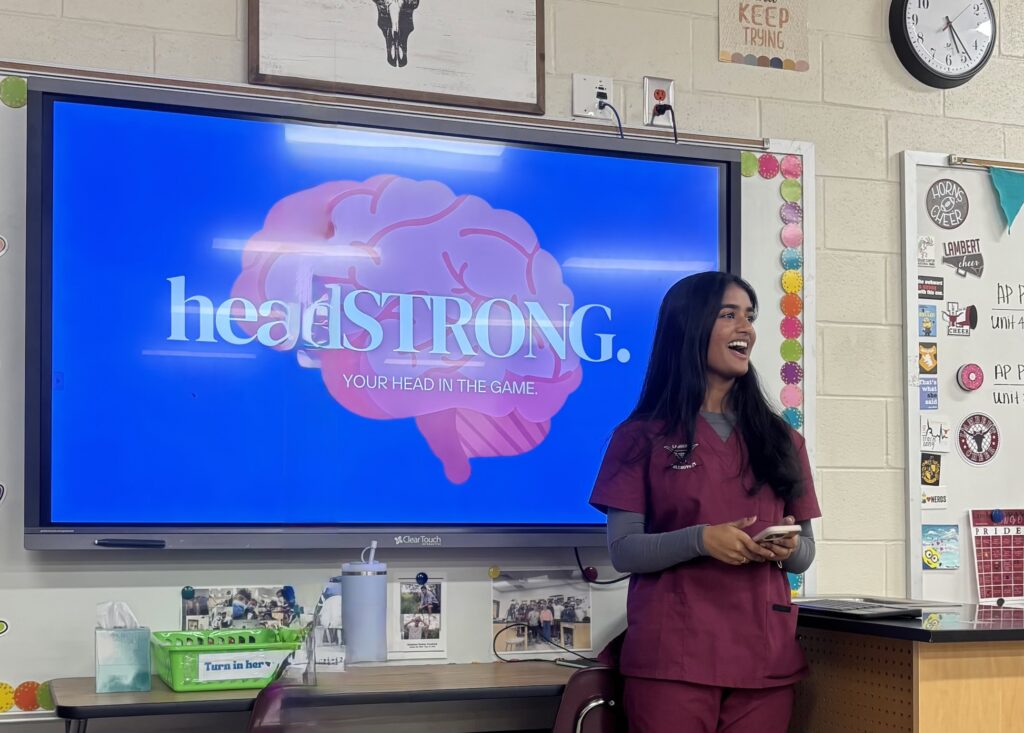
One of the most interesting things I’ve learned while researching for HeadStrong’s education
campaign is how much we still don’t know about detecting and treating traumatic brain injuries.
While we do have treatments that help manage symptoms like headaches, depression, and
pain, we don’t yet have a single preventative solution or a “wonder pill” that can completely
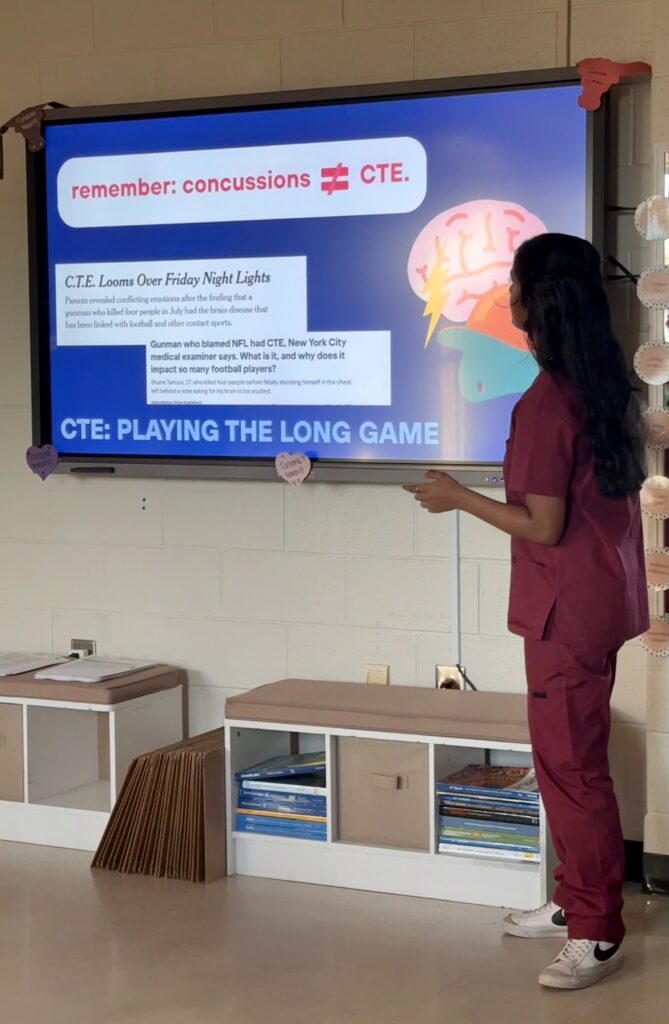
repair brain damage. This is SO true for CTE, which currently cannot be diagnosed in living
individuals and still has no cure. However, some new advances in research – like blood-based
biomarker detection! – are signs that we may soon be able to identify and address these injuries
earlier.
- Was there a particular statistic, story, or fact about brain injuries that really stood out to you during this process?
Something that really stood out to me while learning more about the TBI world is how many
people are truly susceptible to a traumatic brain injury. While I got interested because of sports
concussion / neurology, I’ve learned that domestic violence survivors, homeless individuals,
veterans, and car crash survivors are all among the biggest groups of individuals living with TBI.
It’s important that we consider that when we think about the stigma surrounding some of these
groups and always treat them with empathy. 1 in 4 people will get a TBI in their lifetime, and it’s
my goal that every individual regardless of how they got injured feels supported on their road to
recovery.
- Why do you think awareness and education about brain injuries are especially important for young people today?
The biggest thing you’ll hear me say is that education is the first step towards prevention. In
this case, educating about not reporting concussion symptoms, and the worst-case effects
(Second Impact Syndrome, CTE) will hopefully persuade more athletes to be honest and
vulnerable about their health. Additionally, I like talking about proprioception and plyometric
training to prevent concussion OR teach recognition tests like VOMS: it makes learning that
much more interactive and ensures that our athletes take away something they feel empowered
to learn. By advocating for education, we’re looking out for our community and making sure that
we feel supported on every level.
- What message do you hope your campaign will send to students, athletes, and communities?
The biggest message I hope people take away is that protecting your brain should always
come first. Reporting symptoms and looking out for your teammates is as much your
responsibility as playing is. Sports culture often emphasizes “pushing through”, but brain health
is something we literally only get one chance to protect. My goal is to help create a culture
where athletes feel supported speaking up about injuries that they understand.
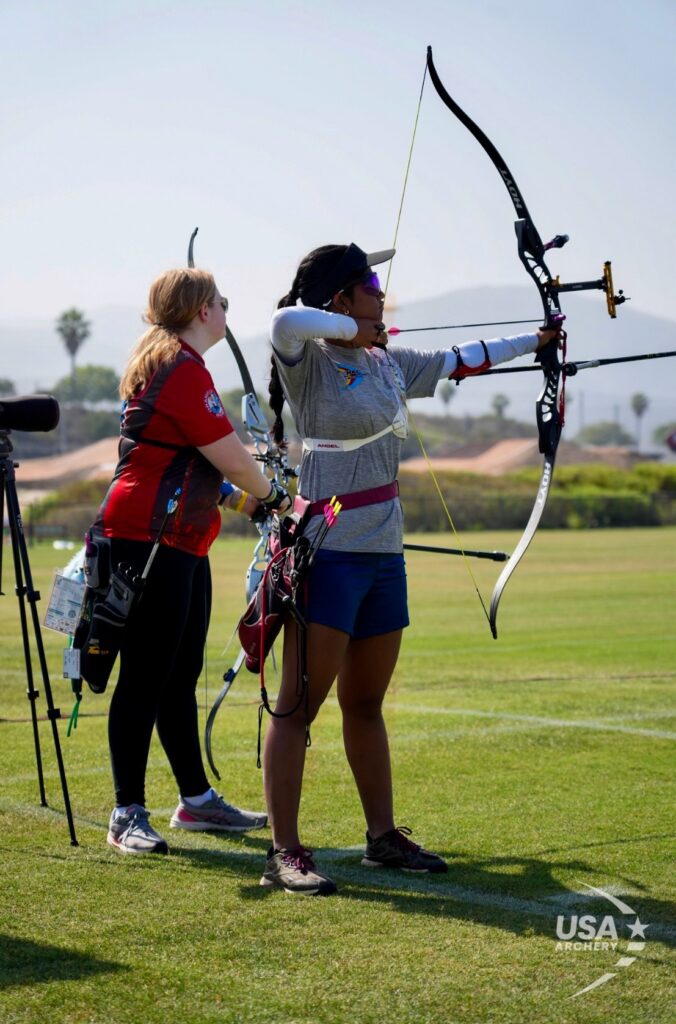
- How has participating in the High School Leadership Academy helped you develop the confidence and skills to advocate for this issue?
Participating in the HSLA has given me an actionable “blueprint” that I can use to better
connect with my community. I really appreciated the first meeting when we were given a plan of
who we wanted to help, how, in what way / medium, etc. I think it was a great way to plan out
exactly what I wanted to do and I know that I had friends and mentors within HSLA to help me
as I grew.
- What impact do you hope your campaign will have on how people think about brain health and injury prevention?
I hope this campaign will reduce the stigma of symptom-reporting in adolescents and
emphasize the importance of preventative education. There is no reason that taking a break for
health issues like concussions – life threatening, if not treated with haste – should be looked
down upon as “weak” or “lazy”. The more we spread awareness of concussion as a true
traumatic brain injury and not “just” a hit to the head, the more we can minimize preventable
injuries. We can’t plan to never get a concussion. We can, however, educate ourselves on the
best practices after the injury so athletes can get back that much quicker.
- If you could encourage other students to take action on an issue they care about, what advice would you give them?
Set the most outlandish goals possible – the ones that would change your life if you were
able to achieve them. As an archer, and I’m sure for many other athletes, we have a goal-setting
period of time before every season: how good do you want to shoot? How calm do you want to
be? How many medals do you want to win? The sky’s the limit, and that’s where it should be:
cognitively, research has shown that by believing you’re that good, you become that good. It’s
called neuroplasticity! By setting these goals for our community initiatives, we give ourselves a
driving force to educate X many people by this month or donate X amount of money to this
foundation. Achieving them is a great thing both mentally for yourself, and for the community –
it’s a win win.