Olympics Archives - Athletes for Hope

When the World Watches: Mental Health at the Winter Olympics and the Role of Athletes for Hope

When the World Watches: Mental Health at the Winter Olympics and the Role of Athletes for Hope

by Mena Mirhom, MD, FAPA, AFH Chief Wellbeing Officer

The Winter Olympics showcase extraordinary physical precision. What they also reveal, increasingly, is something just as powerful: the psychological cost of elite performance.

For decades we celebrated mental toughness in athletes without examining what it actually meant. Today, Olympic athletes are reframing the conversation. Mental health is no longer treated as a private struggle or a secondary issue. It is being recognized as a performance variable and a human imperative.

This year also marks the 20th anniversary of Athletes for Hope — and we have seen this evolution firsthand. Over two decades, we’ve watched athletes move from whispering about their struggles to leading national conversations. What was once stigmatized is now increasingly normalized. Athletes are speaking up not only for themselves, but for their teams, their communities, and the young people who look to them for guidance. The ripple effect extends far beyond sport.

As a sports psychiatrist who works with high performers, I see this shift as overdue.

The Data Behind the Podium

Clinical research consistently shows that elite athletes experience mental health challenges at rates comparable to or higher than the general population.

A 2019 meta-analysis found that approximately 34 percent of current elite athletes report symptoms of anxiety or depression. Rates of sleep disturbance range from 26 to 38 percent. Burnout is common in sports requiring early specialization. Retirement from sport is associated with increased risk of depressive symptoms, particularly when athletic identity is rigid.

Among Olympic-level athletes specifically, studies conducted through the International Olympic Committee report that:

  • Around one in three elite athletes experiences significant mental health symptoms during their career.
  • Injury increases risk of depression and anxiety.
  • Overtraining syndrome is strongly associated with mood disturbance.
  • Social media abuse correlates with measurable increases in stress biomarkers.

High performance environments amplify certain psychological risk factors: perfectionism, identity fusion with outcome, chronic evaluation, public scrutiny, financial instability between cycles, and abrupt career endings. When you compress four years of work into a two-minute performance on a global stage, the nervous system feels that compression.

Winter Olympians Speaking Out

At the 2026 Winter Games, American figure skater Alysa Liu reflected on stepping away from the sport to prioritize her mental health before returning to win gold. She emphasized that protecting her inner peace and staying grounded were essential to her performance. Her return was not simply technical. It was psychological.

Ilia Malinin, after a disappointing skate in individual competition, acknowledged that the mental pressure affected his execution. He later used a gala performance to process the emotional weight of the moment. That kind of transparency is clinically significant. Naming performance anxiety reduces its isolating effect.

Alpine skier Mikaela Shiffrin has spoken openly about working with a psychologist to desensitize herself to Olympic pressure. She described intentional exposure to high-stress scenarios in training so that competition would not overwhelm her. That is textbook cognitive behavioral strategy applied at an elite level.

Snowboarder Chloe Kim has discussed burnout and the need to reframe her relationship with the sport so she would not be defined solely by medals. That reflects a protective factor we often cultivate clinically: diversified identity.

These athletes are describing adaptive mental health strategies that come out naturally in an interview, but are a result of many hours of mental training.

Why This Cultural Shift Matters

From a clinical standpoint, stigma is one of the strongest barriers to help-seeking behavior. When elite athletes speak publicly about anxiety, burnout, therapy, or psychological preparation, they normalize intervention.

Research shows that visible advocacy from respected public figures increases help-seeking intent in young populations. In suicide prevention campaigns, celebrity disclosure has been associated with short-term increases in crisis line utilization. When athletes discuss mental health openly, they influence cultural norms around vulnerability and support.

The Olympics are uniquely powerful because they reach a global audience across age groups and cultures. When a gold medalist discusses therapy, it reframes mental health as compatible with excellence.

The Role of Athletes for Hope

For the past 20 years, Athletes for Hope has mobilized athletes to serve communities and champion causes, including mental health advocacy. Through initiatives such as AFH Wellbeing and Athlete Mental Health Week, we emphasize that athletes are not simply performers but people with inner lives, developmental journeys, and influence.

Individual resilience is insufficient if the structure remains silent. Sustainable change requires education, peer modeling, and community integration. We leverages athlete credibility to reduce stigma, increase literacy, and connect sport to service.

When an Olympian speaks about anxiety and then partners with a mental health initiative, the message becomes reinforced. Advocacy becomes embodied through their leadership.

Mental Health as a Performance Variable

There is a misconception that focusing on mental health detracts from the competitive edge but the clinical evidence actually suggests the opposite.Psychological flexibility, emotional regulation, sleep optimization, and cognitive restructuring correlate with improved performance consistency. Teams that incorporate integrated mental health support show lower burnout rates and better long-term athlete retention.

Mental health is not separate from performance but is rather foundational to it. 

At the Winter Olympics, we see the visible product of physical preparation. Increasingly, we are also seeing the psychological architecture behind it.

When athletes like Liu, Malinin, Shiffrin, and Kim speak honestly about mental strain and emotional growth, they are redefining strength. They are modeling that courage includes self-awareness and preparation includes psychological care. And we aim to extend that message beyond the arena into communities, youth programs, and future generations.

The medal ceremony lasts minutes. The cultural shift toward mental health in sport may last decades.

References

  1. Gouttebarge V, Castaldelli-Maia JM, Gorczynski P, et al. Occurrence of mental health symptoms and disorders in current and former elite athletes: a systematic review and meta-analysis. Br J Sports Med. 2019;53(11):700–706.
    https://pubmed.ncbi.nlm.nih.gov/31097451/
  2. Reardon CL, Hainline B, Aron CM, et al. Mental health in elite athletes: International Olympic Committee consensus statement (2019). Br J Sports Med. 2019;53(11):667–699.
    https://pubmed.ncbi.nlm.nih.gov/31097450/
  3. Gouttebarge V, Bindra A, Blauwet C, et al. International Olympic Committee Sport Mental Health Assessment Tool 1 (SMHAT-1) and Sport Mental Health Recognition Tool 1 (SMHRT-1): toward better support of athletes’ mental health. Br J Sports Med. 2021;55(1):30–37.
    https://bjsm.bmj.com/content/55/1/30
  4. Rice SM, Purcell R, De Silva S, et al. The mental health of elite athletes: a narrative systematic review. Sports Med. 2016;46(9):1333–1353.
    https://pubmed.ncbi.nlm.nih.gov/26896951/
  5. Alysa Liu interview discussing mindset and mental health at the 2026 Winter Olympics. Glamour. 2026.
    https://www.glamour.com/story/alysa-liu-milan-olympics-beauty-interview
  6. Ilia Malinin reflects on Olympic pressure and emotional journey. People. 2026.
    https://people.com/ilia-malinin-olympic-skating-gala-makes-return-to-ice-2026-winter-olympics-11911426
  7. Mikaela Shiffrin on working with a psychologist to manage Olympic pressure. Business Insider. 2026.
    https://www.businessinsider.com/mikaela-shiffrin-alpine-skier-olympics-psychologist-desensitize-pressure-mental-health-2026-2
Olympic Athlete Spotlight

Former Brazilian soccer star is helping create a special future in Arizona 

Growing up in Brazil, Alessandra “Alex” Sachs felt a sense of community from an early age. The future Brazilian Women’s Soccer Olympian would play soccer on the blacktop with groups of boys. At six years old, she was one of the youngest players and the only girl participating. 

Alex enjoyed running for the ball and fighting for position on the blacktop. 

Today, this same fiery passion has her fighting for her community in Arizona. She felt a sense of purpose on the blacktop, then on the field, and now she finds purpose in helping others. 

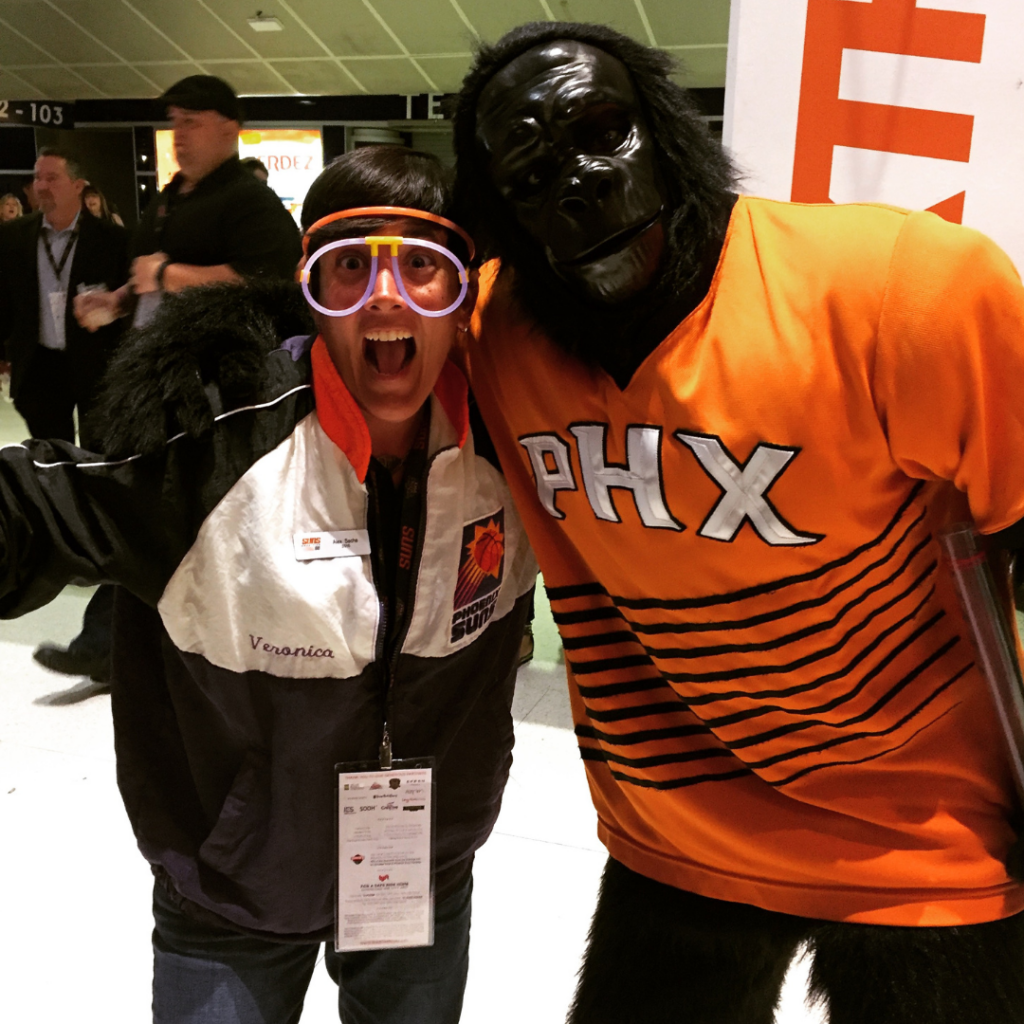
Alex Sachs poses for a photo with the Phoenix Suns mascot, a gorilla, at a Suns 88 event.

“Throughout my career, I have always volunteered or helped out in some capacity, but when I was accepted to Valley Leadership and Suns 88, I realized that I could be a catalyst for change,” Alex said. “A great opportunity for my actions and my voice to make a positive impact in my community.”

Valley Leadership is a non-profit organization that is built around empowering Arizonans to become leaders in the community. Meanwhile, Suns 88 raises money for children in the region. 

As an Olympian and a Brazilian Soccer Hall of Fame inductee, Alex has developed a platform through which she can help others. Her goal was never solely to succeed in sport, but to make an impact outside of soccer as well. 

“Aryton Senna inspired me,” Alex said. “Even with him gone 29 years, I still feel his presence. He taught me to be an advocate, a humanitarian, and a proud Brazilian.”

She has fulfilled each of these missions. 

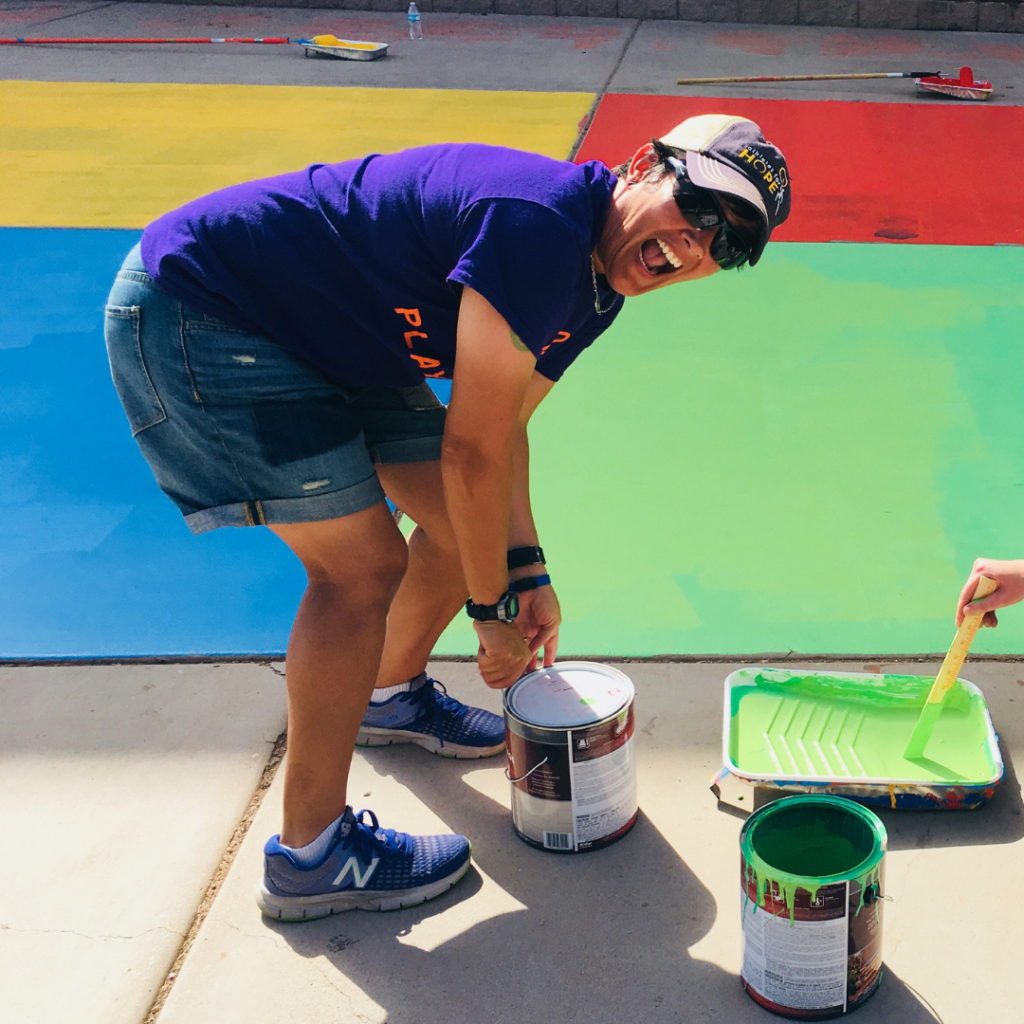
Alex has worked throughout Arizona to help many different groups, including partnering with United Healthcare to create an “all girls soccer day” or beautifying Title 1 elementary school playgrounds alongside Playworks Arizona. 

Alex Sachs smiles while opening up a paint during a community service event with Playworks Arizona

Today, she works with Special Olympics Arizona and Law Enforcement Torch Run to promote a sense of camaraderie between law enforcement and community members. 

Alex’s trajectory from a premier soccer icon to an established advocate and activist is living proof that a goal and drive can be used as tools to better the world around us. 

The same girl that was the only female on the blacktop now runs camps and clinics where dozens of 4th and 5th-grade girls are introduced to soccer and receive gear to further their journeys within the sport. 

It is not just the youth she is helping, though. 

“Look around you and see what is happening in your community,” Alex said. “An example is I realized that many seniors in my community were isolated and lonely, so I create through my work at SPD and in partnership with the Via Linda Senior Center a Senior Walking Club. There is no better feeling than seeing another human being smile and say thank you.”

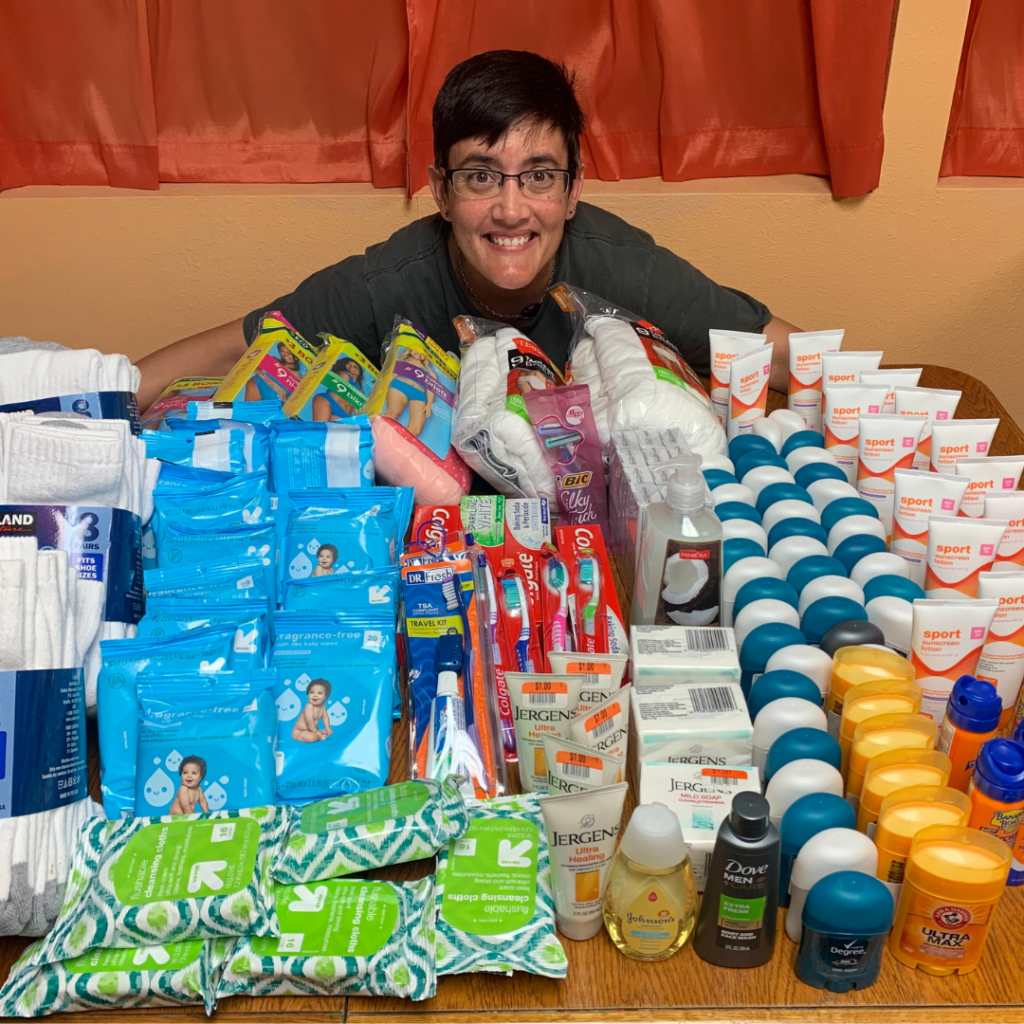
Alex Sachs smiles behind a table full of collected non perishable items

Pride and passion go hand in hand and Alex personifies the potential for athletes to be the change they wish to see in the world. 

From the community in Brazil to communities throughout Arizona, Alex is leaving a legacy that far surpasses her impressive career resume. All it took was a vision.

Olympic Athlete Spotlight

STEM Leader, Philanthropist and Olympic Gold Medalist 

Katie Ledecky is the most decorated female swimmer of all time with seven individual Olympic gold medals and 19 World Championship titles, owning 18 out of 20 of the fastest 1500m freestyle times. She has prioritized community service and giving back throughout her career, earning Athletes for Hope’s 2022 Community Hero Award for her work in communities across the United States. 

What inspired you to give back to your community and use your platform for good?

It is important to me to be able to give back to my community, inspire others and be a positive force in the world. As a young swimmer growing up, I never imagined I would be in a position to make a difference. Now, I really try to embrace the opportunities that I have, whether it’s in my community or around the country and even around the world, to try to inspire young athletes or young adults to dream big, go for their goals and to find the things that they’re passionate about and be the best that they can be at those things.

It’s one thing to be recognized for my accomplishments in the pool. But it’s really special to be recognized for what I do outside of it.

Katie Ledecky

When was the first time you got involved in community service?

I got involved in community service after I went to my first Olympics at age 15. When I got back from London I had a lot more opportunities to give back. One of my first visits back in Maryland after winning my first gold medal was to Walter Reed where I met with the Wounded Warriors.

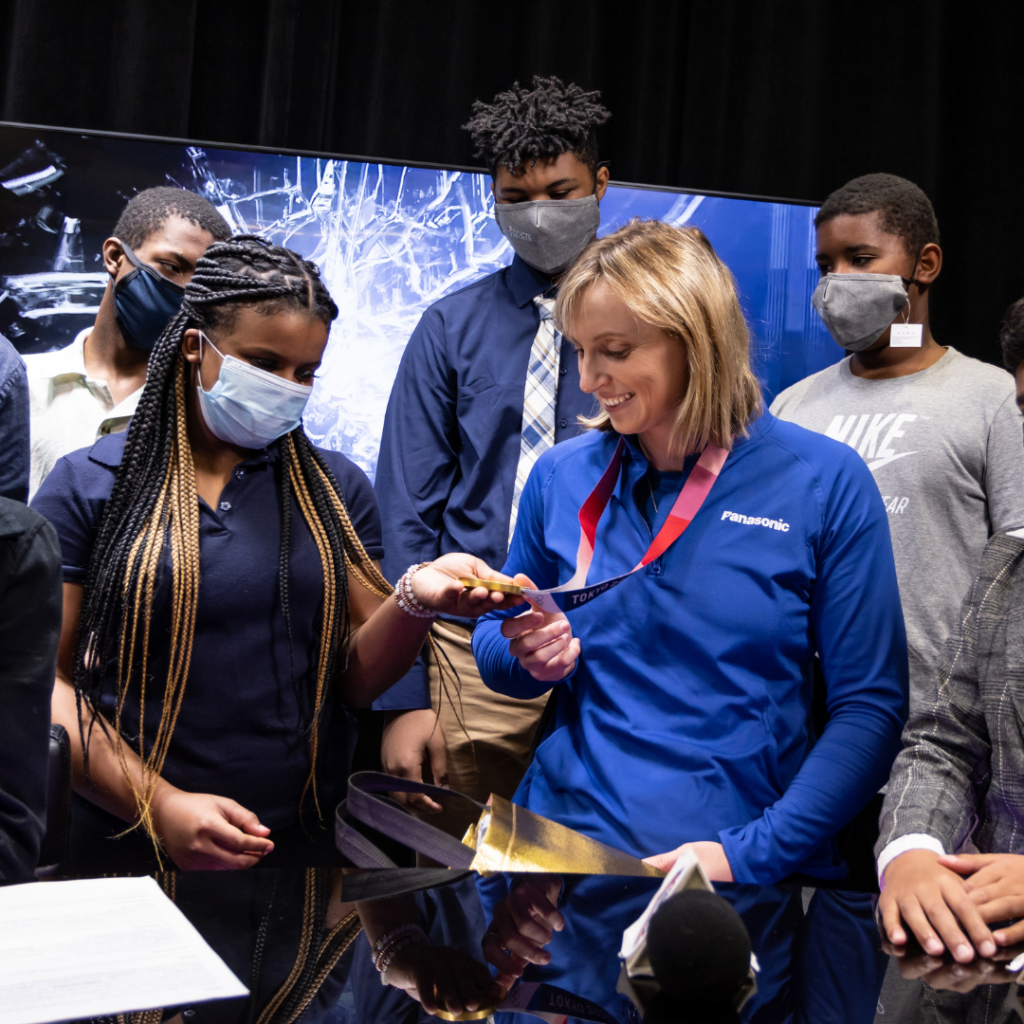
I’ve found that there’s really a power to the gold medal. It can really light up someone’s face. And so if I can make someone smile on any given day, that makes me smile, makes me happy.

Katie Ledecky

What area of service are you most passionate about?

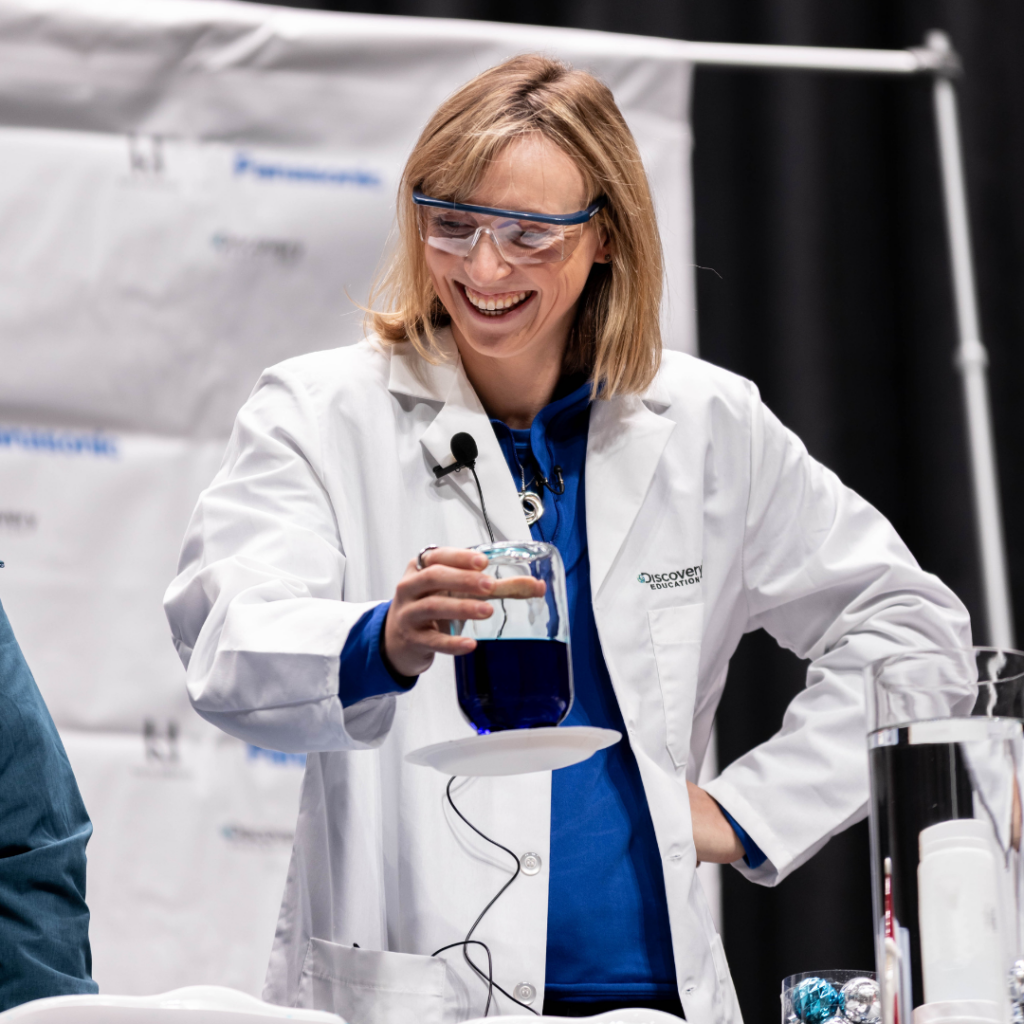
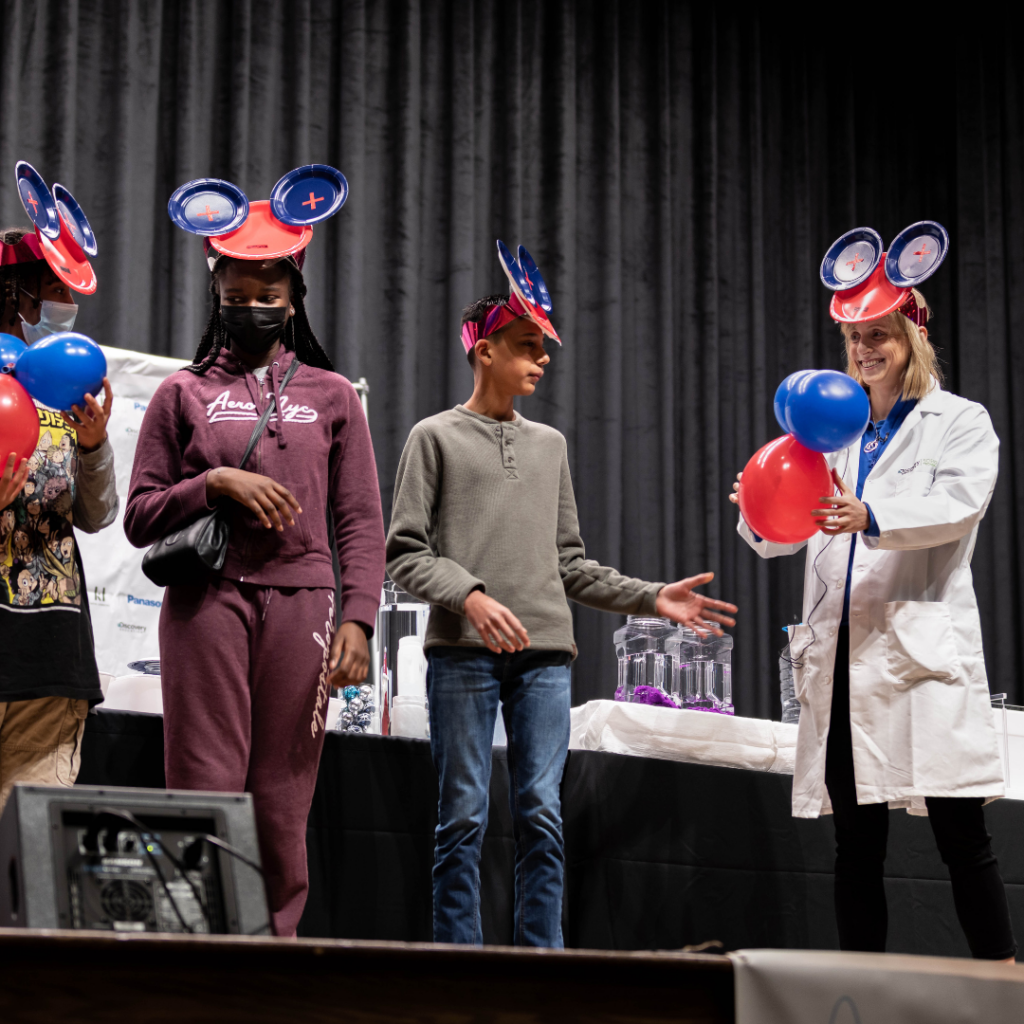
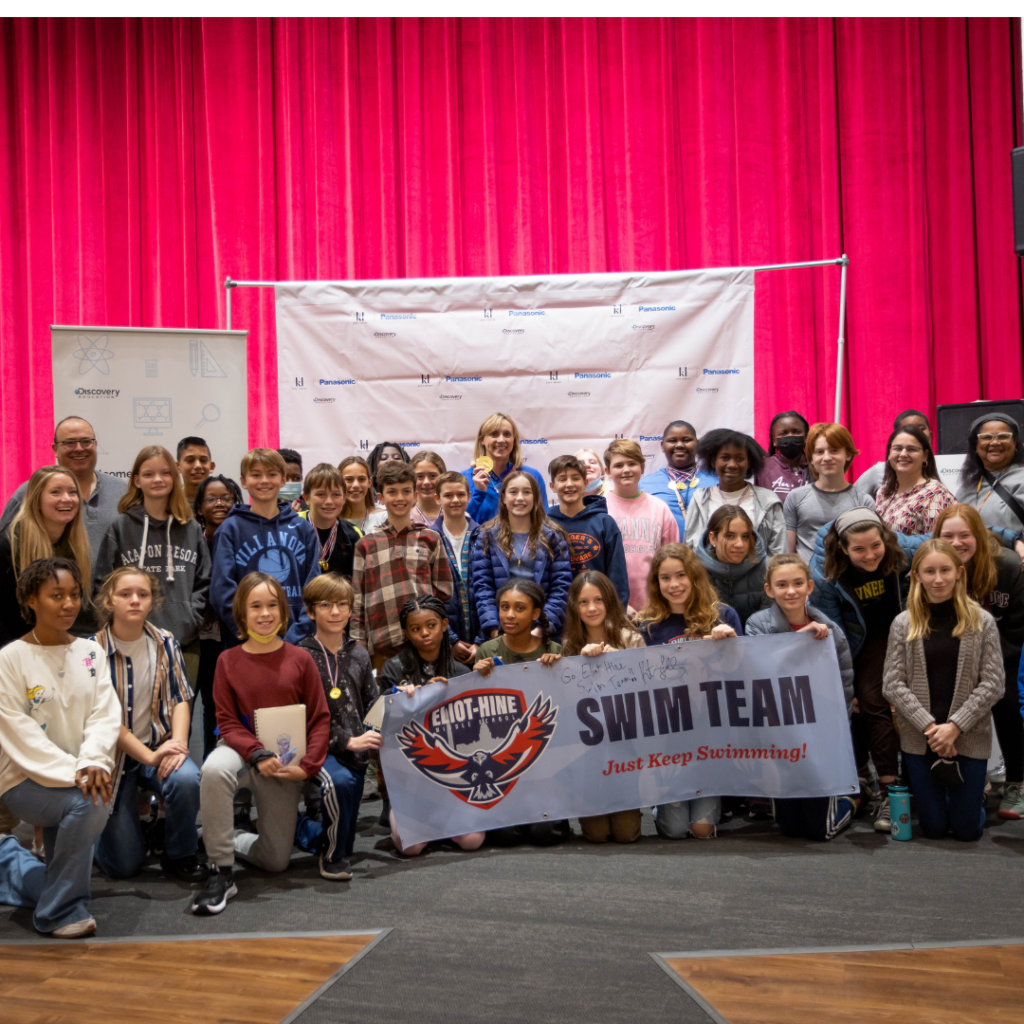
I’m really passionate about education and I love speaking to young students about the importance of education. I work with Panasonic and Discovery Education on an equal-opportunity STEM program called STEM Forward that encourages young students to get involved in science, technology, engineering and math.

Any opportunity I have in life to inspire young kids to pursue their passions, especially in STEM education, I’m going to take it. Whether students use STEM skills for better problem-solving or critical thinking in life, or for a future career, it’s important that they have equal access to help propel them forward.

Katie Ledecky

What are some other community service initiatives you are involved in?

I am a huge advocate for teaching others how to swim and making sure that as many young kids learn how to swim as possible because the drowning rate is still way too high. I enjoy visiting children’s hospitals whether it is in-person or a virtual visit. I also support organizations like Bikes For The World and the Wounded Warrior Project as well as Shepherd’s Table.  

I try to help out in my community as much as I can. I think all athletes, no matter the level that they’re at, have the opportunity to give back and to help others.

Katie Ledecky

*photos courtesy of Panasonic

Pauls Pujats, Community Hero Of The Week

Pauls is this week’s Community Hero!

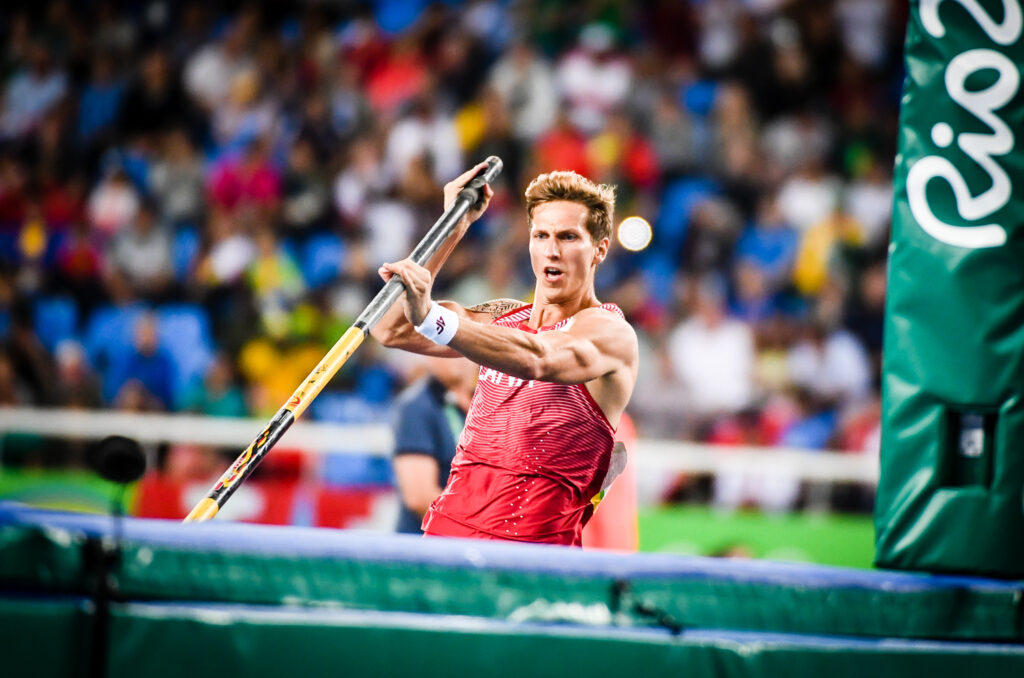
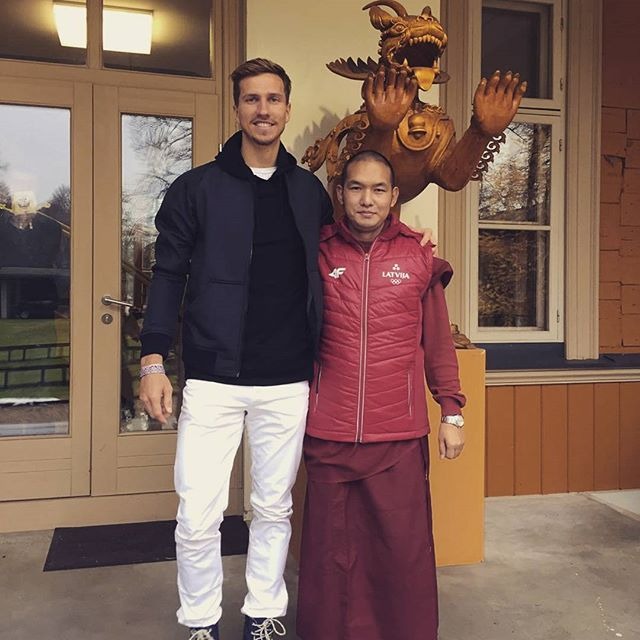
Pauls Pujats is a Latvian Olympic Pole Vaulter who has focused his attention on the AFH Fit program, a program we created to tackle the issue of childhood obesity.

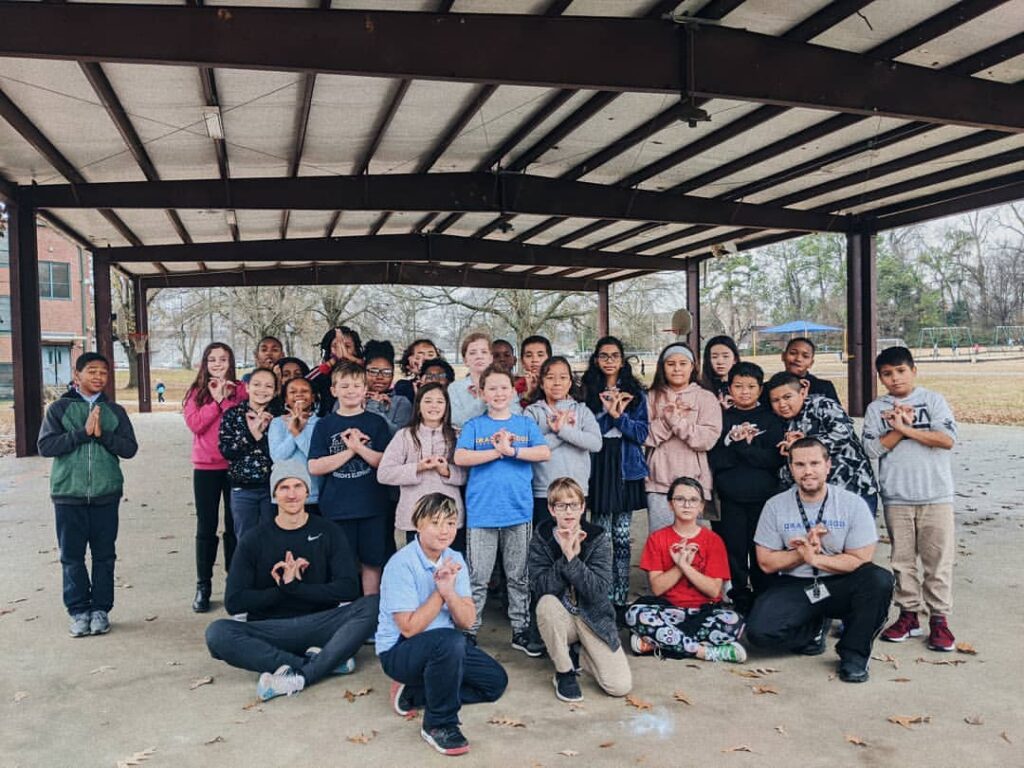
Pauls is passionate about encouraging kids to adopt healthy lifestyles, and consistently visits with schools via the AFH Fit program. Every month Pauls visits with his partner school to share his athletic experiences and promote active lifestyles with the help of the CHAMPS curriculum.

First, spreading and sharing joy, which leads to the second –  love and passion for what you do, and the third is sharing valuable information that can help others to live their best life.

Pauls Pujats on his favorite moment giving back to his community

Olympic Athlete Spotlight

Olympian Emily Cook on the Importance of Giving Back

Emily Cook is a nine-time World Cup medalist, earning three gold, one silver, and five bronze and qualified for four Winter Olympics. She created “Visa Champions Creating Champions”, a mentoring program during which Olympians from a variety of winter sports worked with youngsters in the community and was a mentor with Classroom Champions for many years. 

What inspired you to give back to your community and use your platform for good?

I was raised by my father and he led by example when I was growing up. No matter how busy he was, he always found a way to contribute to and to engage in our community. To this day, my dad spends multiple days per week at the National Ability Center in Park City working with children and adults in their equestrian program, which provides Adaptive Horseback Riding (you can see his photo with one of the participants here) and Equine Assisted Learning (EAL). 

What are some of the activities you’ve participated in (or led) within your community in terms of service?

While I’m currently working as an executive at Eminent Series Group, I most recently spent the bulk of my days working with Classroom Champions (CC) as their Athlete Mentor Manager. CC works with schools to provide inspiring Social and Emotional Learning (SEL) curriculum and mentorship programs to improve engagement, build growth mindsets, and inspire positive classroom culture. I loved getting the chance to work with our athlete mentors everyday to support each of them in getting the chance to consistently make a difference for children.   

I loved for Classroom Champions and every athlete who has come through as a mentor has made a lasting impression on me. It is such an incredible thing to see the impact that each mentor has on the students and teachers that they work with. 

Emily Cook

What was the first moment that you realized the importance of using your platform to give back?

In 2002, when I was injured prior to the Salt Lake City Olympic Games, I began to recognize that I wanted to expand my impact beyond athletics. Throughout the three years that I spent working to get back to my sport, I had the chance to connect with my community in a very rewarding way. I worked with the athletes I knew from the 2002 games and my sponsor Visa to connect them locally with young athletes in the community and what I saw from that made me simply want to do more. So, I got involved everywhere I could to help kids learn the lessons I had learned growing up in sport. It was around that time that I connected with Athletes for Hope, Right to Play, the Women’s Sports Foundation and Kids Play International and once Classroom Champions was created, I joined there as a mentor. I know that during that time I got as much out of participating with these organizations as the children we were working with. 

One of my biggest goals is to get more and more athletes connected with students through [organizations like] Classroom Champions because I know first hand the difference it makes everyday both for the athlete and for the students and teachers they get to work with. To be honest, it makes a pretty big difference for me everyday as well. 

Emily Cook

How did you balance being an Olympic athlete and participating in service? 

While I was an athlete, I found that having service focused projects in addition to training and competing helped me to keep things in perspective and enhanced my time on the aerial hill. Having a platform as an athlete and using that for good helped me to feel like what I was doing everyday made a difference. I would say that participating in Classroom Champions as an athlete and working with Athletes for Hope while I was not on the hill made me a more successful athlete overall and I am thankful for the opportunity to provide that space for other athletes today through my job. 

What is your advice to other athletes across all levels of sports who are looking to get more involved in community service and advocacy?

My advice for athletes looking to get more involved is to connect with the athletes who you know are out there making a difference in the communities that you are passionate about. Ask them questions about what they love about the organizations they work with or how they have taken the initiative to start their own ways of contributing. There are so many ways to make an impact and to me that is your sport legacy. 

I am so thankful to have had the opportunity to learn valuable life lessons through participating in sport for so long and I love getting the chance to pass on those lessons.  

Emily Cook

I will always be involved in giving back in the sports world, it is so deeply ingrained in who I am.

Excelling in the Olympics and in Life

The 2016 Olympic Games in Rio de Janeiro have come to a close. Athletes are home enjoying a much needed break and time to reflect on all they have accomplished. We wanted to take a moment to highlight the successes of a few of the Athletes for Hope member athletes – successes on the field and off.

While The Games are a lifelong aspiration for many of our athletes, we want you to know that the time you give to others after Rio has the opportunity to make a difference for decades to come.

Below are a few athletes who went above and beyond to help others this year:.

  • Natasha Hastings, USATF, 4 X 400 M Relay Gold Medalist, Charity: Let’s Move! Active Schools
  • Britney Reese, USATF, Long Jump Silver Medalist, Charity: 1000 Days
  • Nia Ali, USATF, 110 M Hurdles Silver Medalist, Charities: 1000 Days, Children’s Hospital Visits throughout the U.S.
  • Kristin Castlin, USATF, 110 M Hurdles Bronze Medalist, Charity: 1000 Days
  • Courtney Thompson, USA Volleyball, Bronze Medalist, Charities: Children’s Hospital Visits throughout the U.S., Girls Incorporated, Give It Back Foundation
  • Michelle Carter, USATF, Shot Put Gold Medalist, Gender Equality Twitter Chat
  • Gwen Jorgensen, USA Triathlon, Gold Medalist, Charities: Let’s Move! Active Schools and Children’s Hospital

We thank you all for making time to help inspire others this year and we encourage you to contact us for more ways to give back this year and in the future.