By AJ Pedro, Former College Wrestler, Ironman Athlete, and AMHA Athlete Advisory Committee Chair
EARLY BEGINNINGS AND SETBACKS
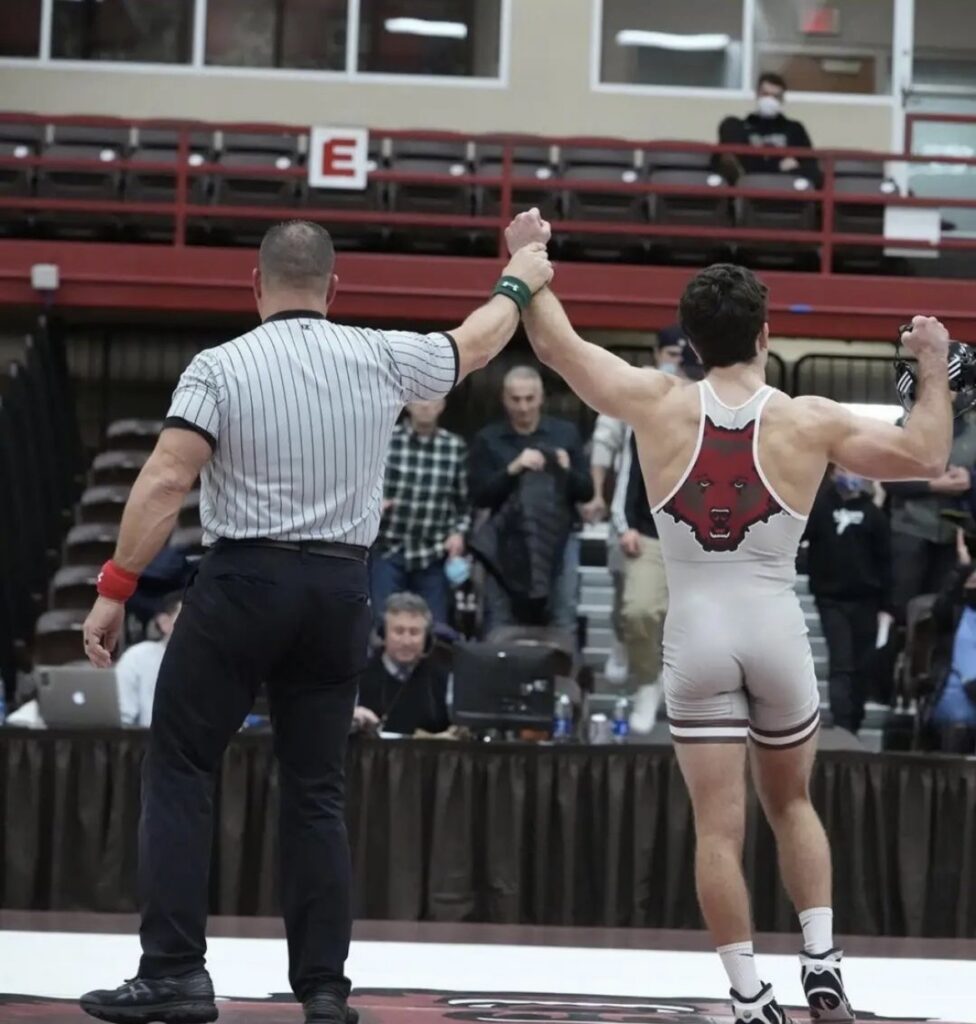
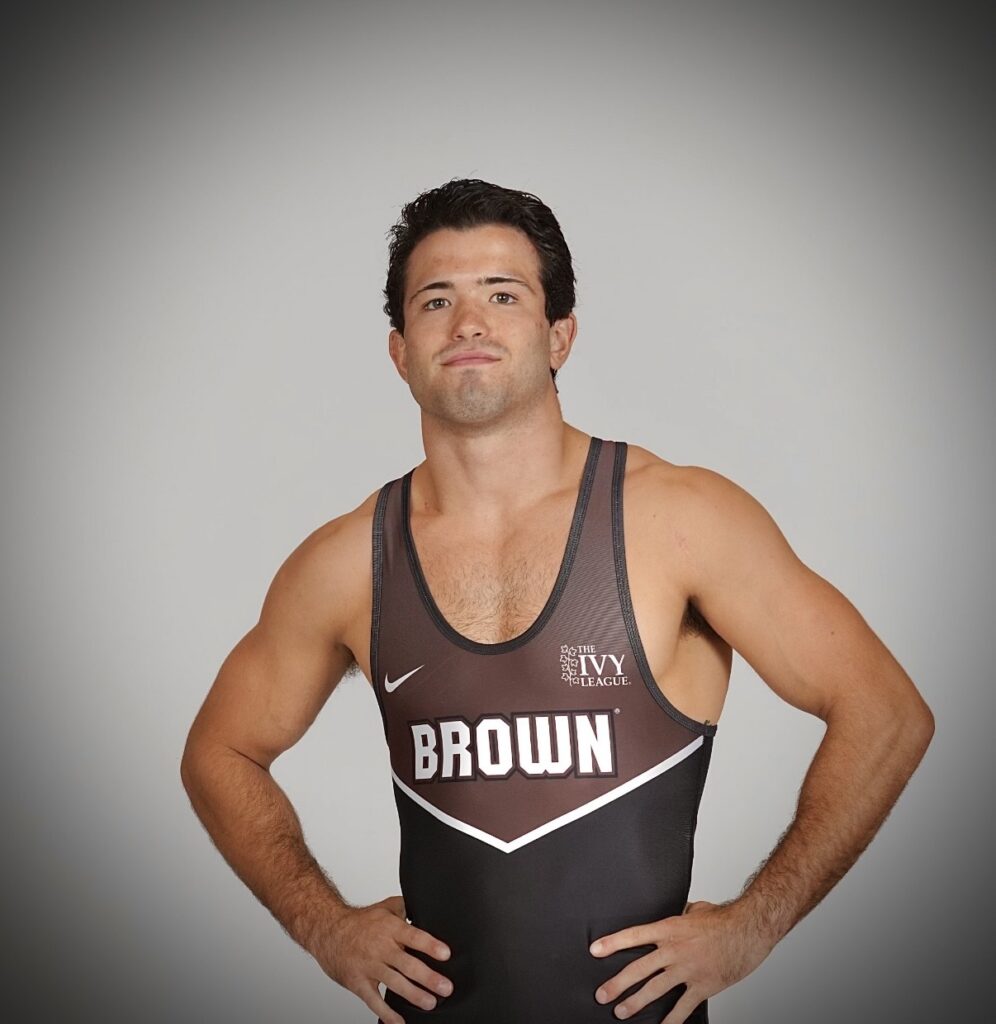
As an athlete I have always understood the importance of putting the work in for my sport. Things like waking up early, pushing myself in the practice room, never missing a strength and conditioning session, and fueling my body are like second nature to me. Growing up training in a room where I was surrounded by Olympic judo champions and world medalists, the standard of excellence was set extremely high. I saw the way they pushed through tough training sessions, battled adversity, and seemed to find a way to win at all costs. After committing to Brown University to continue my wrestling career, I was excited to start the next chapter at a higher level of the sport. But having surgeries after tearing my knee during my freshman year, shoulder sophomore year, and then tearing my shoulder once again along with my biceps tendon senior year, it goes without saying that my mental health took a toll throughout the process. With each injury it seemed like my world was ending, and that it was my fault for not being able to stay healthy. During all of my time off the mat and in the training room doing rehab, I never really took the time to work on the thing that was affecting me the most: my mental health.When the external circumstances of my situation weren’t able to be immediately improved, such as waiting for something that was surgically repaired to heal, I didn’t understand how important it is to address what’s going on in our minds. After getting support from those around me during that process, there are now a few things that I realize are important as an athlete.
YOU ARE MORE
Realize that you are more than the sport you play. You are more than the results you produce. A sport is something you DO, but not who you ARE. Who you are is what you stand for, how you show up for others, and the way you impact those around you. Part of this realization also means recognizing that there’s strength in addressing what’s going on mentally. It means seeking out help if and when you need it, whether it be in a clinical setting or through people you trust. Understanding that you have made it through all of the toughest times in your life so far and have been forged in the adversity you faced should be something you take pride in and can build momentum on as you continue seeking to improve your mental health. Having teammates, friends, family members, or mentors in your life to lean on is the single most important thing to help you get through difficult times.
FINDING A NEW IDENTITY
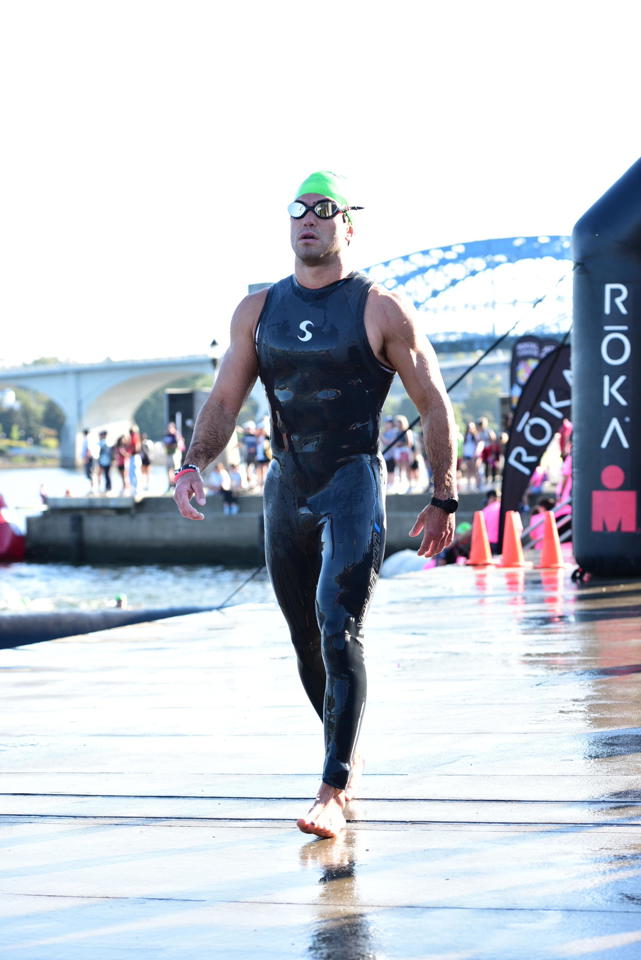
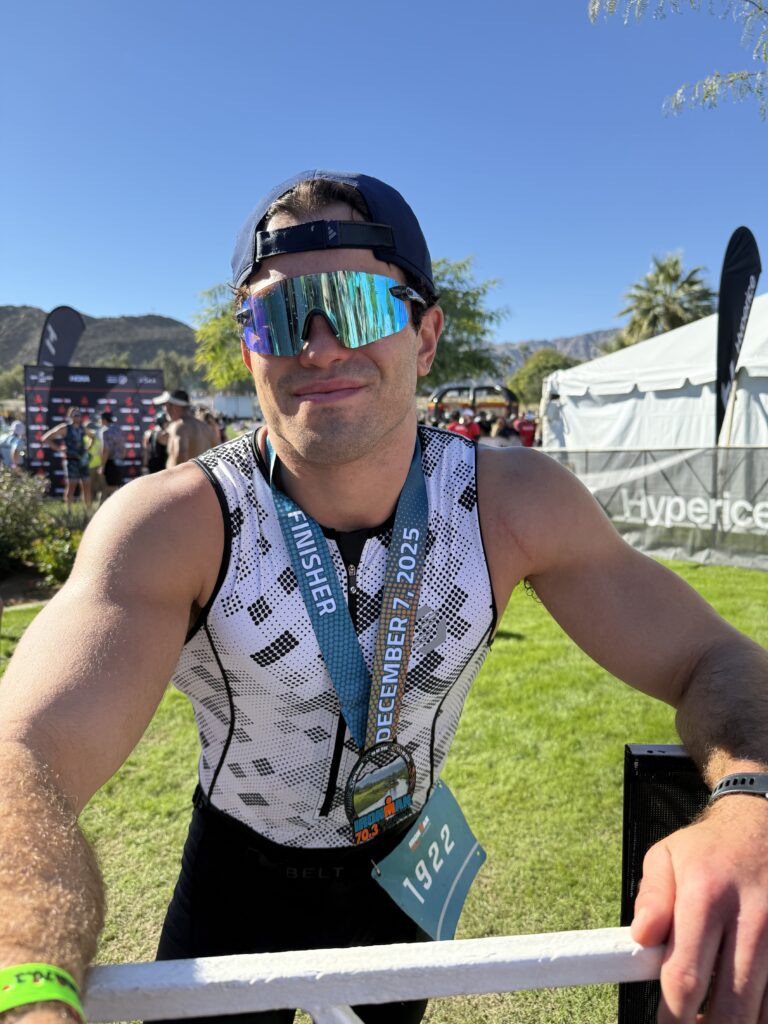
For most athletes, we grew up playing a sport, continued through high school or college, and our careers ended there. But what about life after graduation? It’s difficult to tell someone who has had structure and purpose revolving around a sport their entire life to just stop completely and not have goals anymore. But as one door closes another opens. The cool thing about retiring from a sport? You have complete control over the next thing you choose to do. For me it was Olympic Weightlifting at first, and now it’s Ironman races. For you it may be something different, maybe even completely unrelated to sports altogether.
You now have time to explore different options and find things you enjoy outside of any expectation you or someone else may have had for you. Last year, I decided that I wanted to share my passion for health and fitness with the world to improve people’s lives. So I started my own online coaching business, Pedro Peak Performance LLC. and began working with clients 1-on-1.Trying to balance my Ironman training with running my business, working a part time sales job, and traveling for competitions can be challenging, but I remind myself that those are all just what I DO, and are not who I AM. The freedom I now have entering these races knowing that they don’t define me allows me to give my best effort and compete with a sense of calmness I didn’t have throughout my wrestling career.
THE PATH FORWARD
So what’s next? Whether you’re retired or still in the middle of your athletic career, addressing your mental health is just as important as anything else you do. No it doesn’t make you weak. No it doesn’t make you a failure. It’s actually the opposite. It makes you willing to do the difficult work to get yourself in a better place so that you CAN go out and perform better in your sport, live better outside of it, and enjoy the process in everything you do. Because at the end of the day, that’s what mental health is all about.