
Written by Clark Slajchert, AFH Athlete Mental Health Research Fellows
A lot of people see what athletes do, but not what we carry beneath the surface. With NIL negotiations tied to stats, yearly transfer-portal uncertainty, coaches whose livelihoods depend on your performance, agents reaching out with their own motives, and constant scrutiny from every corner of the real and digital world, the mental load has only grown for young athletes.
But the hardest battles are often the ones waged in silence, the pains no one understands or even knows you feel. For me, that all started as I was trying to get over a screen in practice during my freshman year.
A guard that can get over a screen cleanly is an asset. It stops the first domino from falling: the hedge from the big, the tag from the wing, the open roller, the open shooter. One breakdown leads to another, so beating that screen matters.
That’s all I was trying to do, a step behind, sprinting to get over the screen when I felt a sharp, immediate shot to my quad. It knocked the wind out of me, easily the worst dead leg I’d ever had. But I finished the possession, then finished practice the next few days. It just felt like a brutal bruise. But sitting at lunch with my teammates a few days later, my quad suddenly and violently seized up.
Long story short, I had an emergency surgery the next day, another a few days later, and a final one on day six in the hospital. That’s how I found myself recovering from acute compartment syndrome, a condition I didn’t even know existed.
“Why me!!!” was my primary thought lying in that hospital bed, anxiously waiting for the next doctor to come in and softly brush my shin, asking if I can feel it. “YES, I FEEL IT”, I said each time, deathly afraid of what would happen if the answer was ever no.
With time, it healed. The scar faded, some physical reminders remain, but the lasting damage was mental.
My sophomore year at the University of Pennsylvania, there wasn’t one day where I didn’t agonize over the same questions: How much better would I be if this injury never happened? What if I’m never the same?
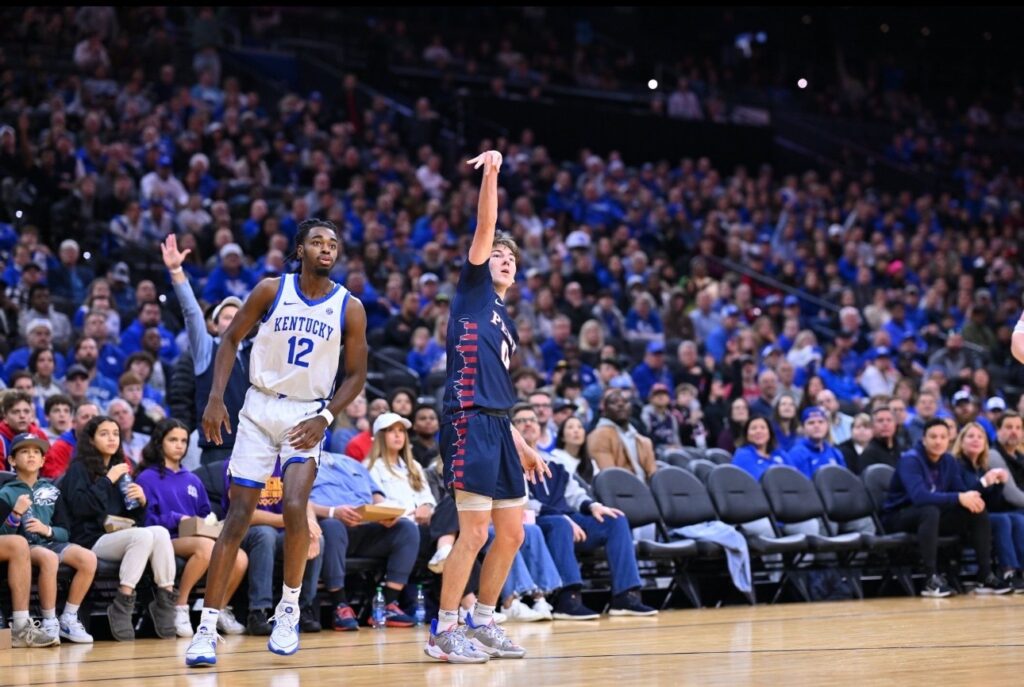
I thought about it constantly. Waking up in the morning, trying to pay attention in class, getting shots up before practice, during practice, after practice, sitting in office hours, watching NBA games with my teammates, doing homework, lying in bed at night. It never left my mind. I was dominating in practice last year… what if I’ll always be a shell of myself now? I kept imagining two versions of my life: the one where I never got injured and the one I was living in. I couldn’t shake this sense of doom.
The idea that something completely outside my control might be the reason I never reached my full potential was a pain I didn’t know existed. It was also a pain I doubt anyone could notice.
It was a silent pain, one I’m certain I wasn’t the first athlete to feel. It was easy to hide and easy for others to overlook. But at the time, it was all-consuming, settling into every corner of my life in a way I didn’t know how to explain.
I tried to hide the scar just like I tried to hide those feelings. I thought that evidence of either would make me look weak.
I knew it sounded irrational to let an injury consume me. Athletes deal with setbacks all the time. So why was I spiraling over a recovery that wasn’t even the worst-case scenario? I kept telling myself to get over it, but the worry spread into so many corners of my life that I was genuinely shocked by its reach. That experience opened my eyes. It showed me how something invisible to everyone else can quietly take over your world, and how many people are fighting battles that never show up on the surface.
As time passed, the injury started to slowly take on a different shape in my mind. I began to see it more as part of my past, something I couldn’t change, something that taught me a lot, and something that played a part in shaping who I am.
I found myself empathizing more deeply with athletes fighting their own battles. I also felt a new level of gratitude just for having the ability to play the sport I love, to walk, run and jump.
Balancing an Ivy League course load with a Division I basketball schedule is hard. But that gratitude, combined with leaning on the resources around me and going through everything alongside my teammates, made the weight of each day feel a little lighter.
If there’s one message I have, it’s don’t lose hope in your future. There are so many different ways to struggle, so many sources of pressure, expectations, anxiety, and uncertainty as an athlete, a 1,000-word article can’t scratch the surface.
But hope has a way of rising above the struggle. I’ve seen it again and again. There are endless ways to feel weighed down, but even more ways to rise, to flourish, and to find yourself again. If not now, then soon.
My four years at Penn were filled with highs, lows, and a lot of learning about who I was becoming. Through all of it, I kept moving forward. Slowly, I found my footing again, eventually earning the chance to play my final year at USC, something younger me growing up in Los Angeles could only imagine. And now I’m playing professionally in Europe, something that felt impossible in that hospital bed.

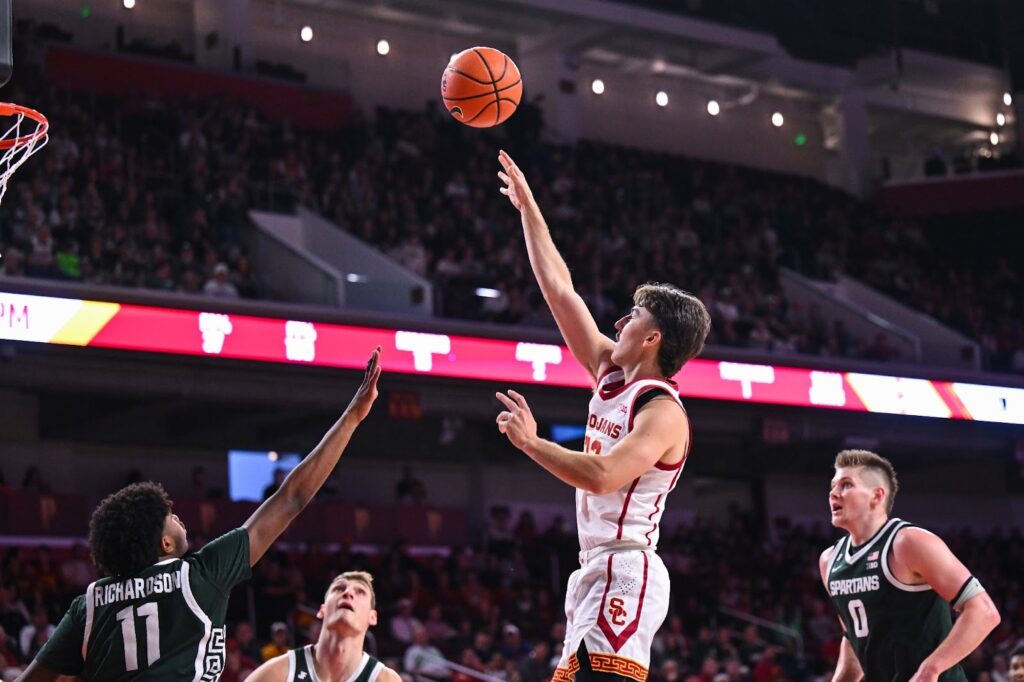
Being a student-athlete can be as difficult as it is rewarding. Even after college, that challenge hasn’t gone away. Playing basketball for a living in Luxembourg brings its own pressure, isolation, and quiet moments of doubt. The tools I began experimenting with in college, like journaling and deep breathing, still help ground me, reminding me to slow down, to check in with myself, and to find steadiness when things feel overwhelming. They’ve helped me not just get through the hard days, but grow from them.
Mental health professionals and organizations like Athletes for Hope give athletes the support we often don’t know how to ask for. They remind us that struggling doesn’t make you weak. It doesn’t make you less competitive, less committed, or less deserving of success. It makes you human. And facing these challenges is part of the journey that shapes us.
Every athlete trains their bodies every day, but we don’t spend enough time training our minds or protecting our emotional wellbeing. We’re taught to keep pushing, to shake it off, to “be tough.” But toughness isn’t silence. Toughness is honesty. Toughness is asking for help when you need it. Toughness is staying in the fight in ways no box score will capture.
So seek help if you need it. Lean on your teammates, lean on your circle, lean on the people who care about you. Use the tools that steady you. Speak up when something feels off. There is no medal for doing it alone, and no shame in reaching for support. If there’s one thing I’ve learned, it’s that hope is real. Healing is real. And no matter what you’re carrying, your story isn’t finished yet.
