
This week in Wake County, North Carolina, at Dillard Drive Magnet Middle School. Athletes for Hope (AFH) partnered with the CDC’s Free Mind campaign to bring a day of connection, conversation, and empowerment to middle school students, families, and educators. With youth mental health needs at an all-time high and athletes playing an increasingly visible role in these conversations, this visit underscored how sport, service, and honest dialogue can make a real difference.
Mental health is not abstract for today’s young people. According to the CDC, suicide is the second leading cause of death among teens aged 15–19, with anxiety, depression, and stress affecting young athletes and non-athletes alike. In this context, early, honest conversations about mental health and coping strategies are more important than ever.
Through the CDC’s Free Mind initiative—which aims to reduce stigma, raise awareness, and provide teens with tools to care for their mental well-being and prevent substance misuse—AFH brought athlete voices into the heart of the community to help youth feel seen, understood, and supported.
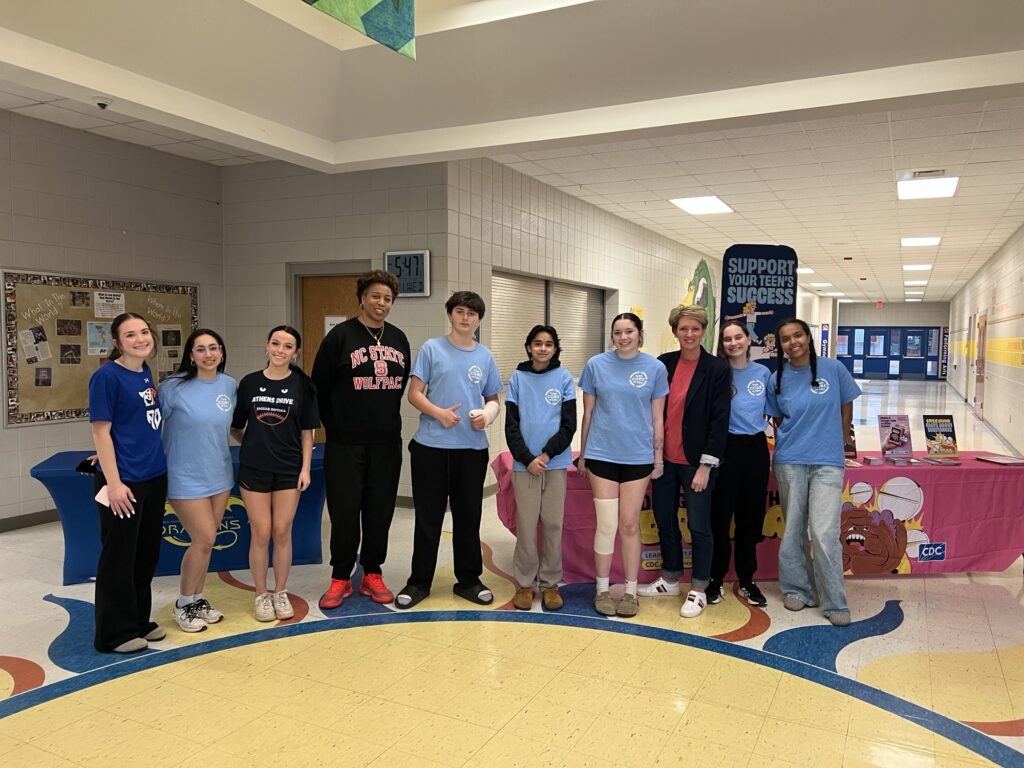
Athletes in the Room, Impact in the Conversation
AFH Athletes Kamren Larsen (BMX Olympian) and Chasity Melvin (Former WNBA player) joined AFH Chief Wellbeing Officer Dr. Mena Mirhom for classroom visits and community discussions that helped make mental health feel relatable and approachable. Rather than abstract concepts, these were conversations grounded in real experience and real connection.
“When athletes share their stories with young people, it shows them they’re not alone—and that asking for help is a sign of strength,” said Dr. Mena Mirhom. “These moments open doors. They help students understand that mental health deserves attention just like physical health does.”
For students, these conversations weren’t relegated to a checklist of symptoms—they were opportunities to hear stories and ask questions in a supportive environment. In small classroom groups, athletes discussed how they navigate pressure, identity, expectations, and balance. These discussions helped students connect the dots between how they feel and how they perform, socially and athletically.
“For young people, seeing someone who’s been in their shoes talk about mental health makes it feel more real,” said Kamren Larsen. “It says, ‘You matter, and it’s okay to talk about what you’re going through.’”
The impact didn’t stop with students. That evening, more than 50 parents attended a community discussion with AFH and local leaders, asking questions, sharing concerns, and engaging in a lively Q&A about how to support teens beyond the classroom.
“This isn’t just about school or sport,” said Chasity Melvin. “It’s about giving families and educators the language and confidence to have these conversations at home and in the community.”
Educators echoed the importance of normalizing mental health discussions in academic and athletic settings. Many noted that students responded with openness and curiosity—an encouraging sign that spaces like this are both needed and welcomed.
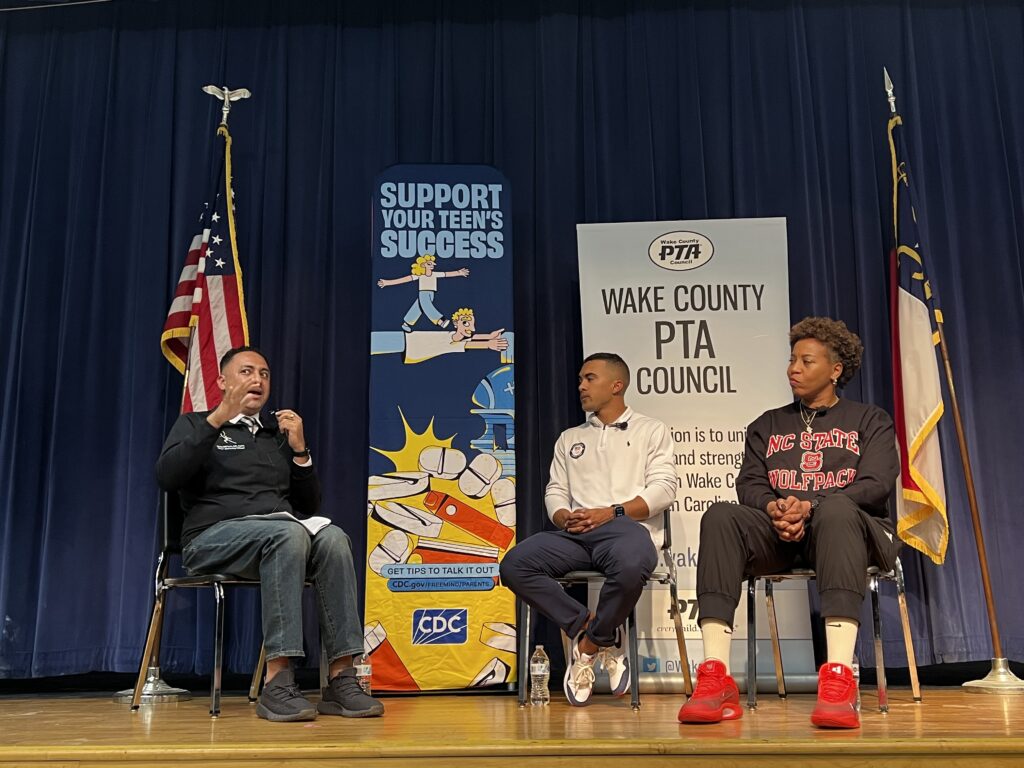
A Partnership That Creates Lasting Reach
This Free Mind event demonstrates the power of partnership between Athletes for Hope and public health initiatives like the CDC’s Free Mind campaign. By combining evidence-based resources with athlete voices, AFH helps amplify messages that resonate with young people, families, and community members. Coverage from local media, including ABC11, highlighted the value of relatable role models and honest community engagement in making mental health feel accessible.
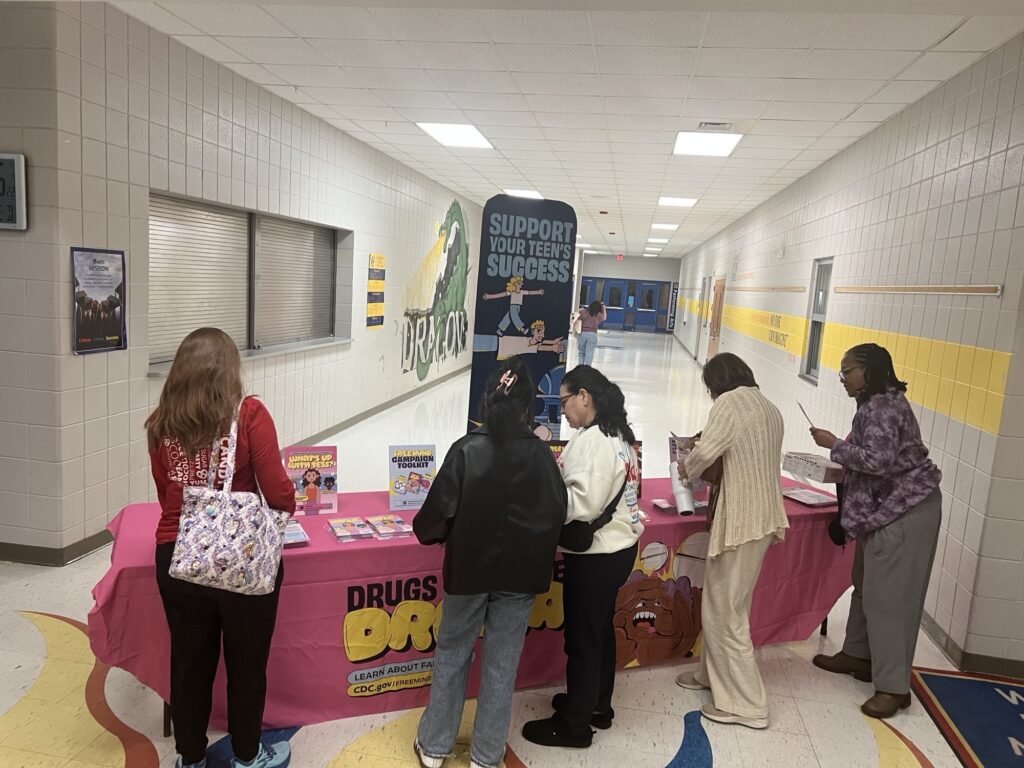
Moving Forward Together
As Athletes for Hope continues to support mental health education in communities nationwide, events like this matter because they build momentum, reduce stigma, and equip young people with tools to care for themselves and one another.
“Every conversation matters,” said Dr. Mirhom. “When communities show up for youth, when athletes lean in with authenticity, and when families participate with openness, we build environments where young people can thrive—mentally, emotionally, and physically.”
Thank you to the students, parents, educators, and community partners who opened their hearts and minds during this visit. Together, we’re helping make mental health part of the everyday conversation.
👉 Learn more about the CDC Free Mind campaign and access mental health resources at cdc.gov/freemind.